Recipe
Servings
Servings 1×
Ingredients
- Chicken
- Tofu
- Chickpeas
- Black beans
- Beans
- Orzo
- Pasta
- Noodles
- Rice
- Bread
- Cauliflower
- Asparagus
- Zucchini
- Spinach
- Peas
- Corn
- Tomatoes
- Lemon
Method
- Prepare the ingredients described in the article and heat the cooking surface or oven as directed.
- Cook the main ingredients using the heat and timing guidance in the article.
- Finish with the seasonings and garnishes named in the article, then serve.
Let’s be honest: by the time 6:00 PM rolls around, the last thing you want is a sink full of dishes and a recipe that requires a degree in structural engineering. You want something fast, something that tastes like you actually care about your health, and something that doesn’t leave you scrubbing pans until midnight. This chicken and vegetable orzo is the ultimate answer for those seeking quick family meals that don't compromise on flavor. It’s bright, zesty, and incredibly comforting: all made in one single pot. If you’ve been hunting for healthy dinner ideas that satisfy both toddlers and tired adults, you’ve just found your new weeknight hero.
The Science of the Simmer: Why One-Pot Orzo Works
One-pot cooking isn't just about laziness; it’s a calculated flavor strategy. When you cook pasta in a giant pot of salted water and then drain it, you are literally pouring flavor down the drain. By cooking the orzo directly in the same pan as your aromatics and chicken, you’re utilizing a process called absorption cooking.
The Magic of Starch Gelatinization
Orzo is a tiny, rice-shaped pasta made from wheat. Like all pasta, it is packed with starch granules. When you simmer orzo in chicken stock, these granules hydrate and swell: a process known as gelatinization. In a standard pasta dish, the starch stays inside the noodle or gets rinsed away. In a one-pot dish, that starch leaches into the cooking liquid, thickening it into a silky, natural sauce. This creates a creamy texture without needing a drop of heavy cream. Stop reaching for the milk carton and let the physics of pasta do the work for you.
Toast Your Grains for Maximum Aroma
Before you add a single drop of liquid, toast your dry orzo in the rendered fat from the chicken. This triggers the Maillard reaction: a chemical reaction between amino acids and reducing sugars that gives browned food its distinctive, nutty flavor. Toasting the orzo for just two minutes until it smells slightly popcorn-like creates a protective barrier on the grain. This ensures the pasta stays distinct and "al dente" rather than turning into a gummy porridge.
Searing for Depth
Always sear your chicken thighs first. Don't just "cook" them; brown them. That golden-brown crust (the fond) left on the bottom of the pan is a concentrated flavor bomb. When you add your vegetables and stock, you'll deglaze those bits, incorporating all that savory goodness back into the orzo. Use a heavy-bottomed skillet or a Dutch oven to ensure even heat distribution. This prevents hot spots that can scorch your starch before the liquid is fully absorbed.
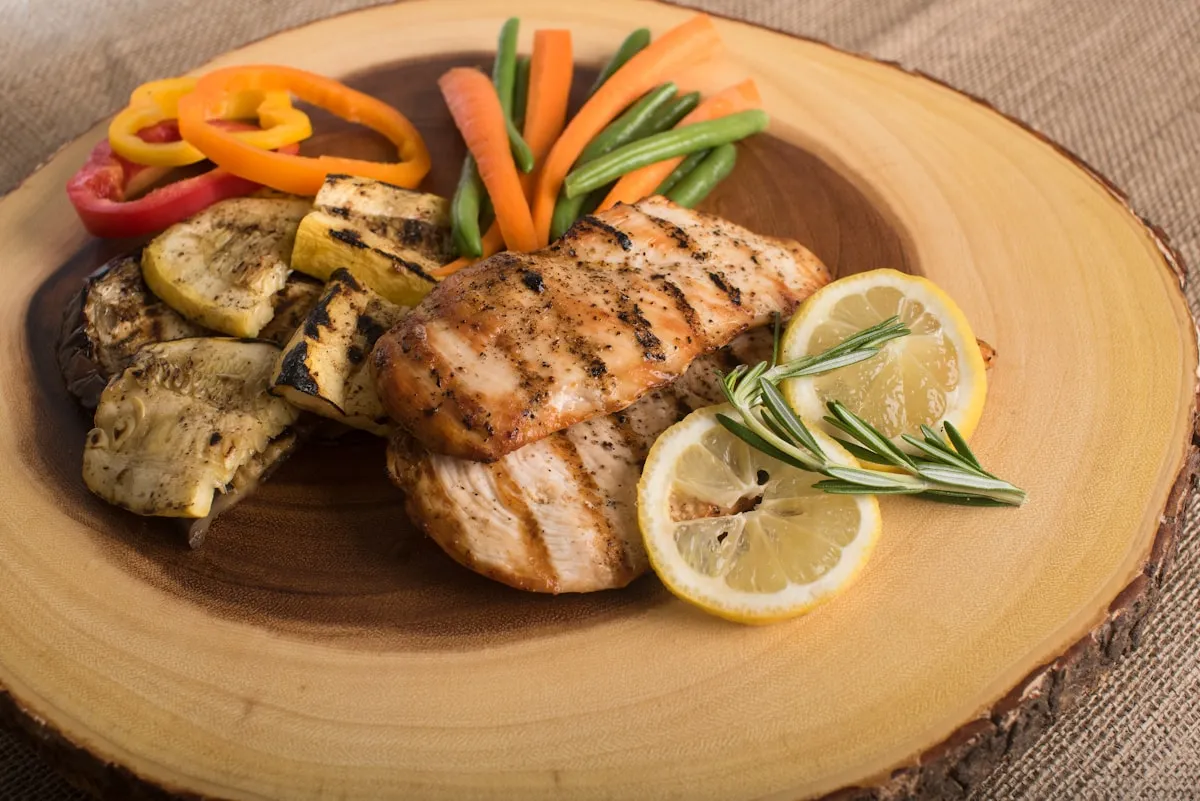
Acid and Aromatics: The Balancing Act
Lemon and dill aren't just garnishes; they are structural components of the dish’s flavor profile. The citric acid in the lemon juice cuts through the richness of the chicken fat and the starchiness of the pasta. Without acidity, a one-pot meal can feel heavy and "one-note." Add half of your lemon juice during the simmer to infuse the grains, and save the rest for a fresh squeeze at the very end to provide a bright, high-frequency finish. Fresh dill should always be added off the heat. Its volatile oils are delicate and will dissipate if boiled, leaving you with a grassy, dull flavor instead of that punchy, anise-like zing.
Flavor Variations to Keep it Fresh
While the lemon-dill-chicken trio is a classic, you can easily pivot this dish based on what’s lingering in your crisper drawer. This flexibility is what makes it a staple for anyone looking for quick family meals.
- The Mediterranean Swap: Exchange the zucchini for sun-dried tomatoes and spinach. Stir in some feta cheese at the very end. The saltiness of the feta replaces the need for extra seasoning and adds a tangy creaminess that pairs beautifully with the orzo.
- The Spicy Southwest: Swap the dill for cilantro and the lemon for lime. Use black beans and corn as your vegetables. Season your chicken with cumin and smoked paprika before searing. This variation turns your one-pot meal into a zesty, hearty bowl that feels entirely different from the original.
- Plant-Based Power: Skip the chicken and use chickpeas or firm tofu cubes. Use a high-quality vegetable stock and double up on the vegetables: think bell peppers, peas, and asparagus. The starch from the orzo will still provide that "meaty" sauce texture even without the animal fats.
- The Keto Challenge: If you are strictly following a ketogenic lifestyle, you can swap the orzo for cauliflower rice. However, be warned: cauliflower rice does not contain the starch needed to create a thick sauce, so you may want to reduce the liquid significantly and add a dollop of cream cheese to emulate that silky orzo finish.
Side Dish Pairings for a Balanced Plate
Even though this is a one-pot meal, a little side-kick can elevate the dining experience. When choosing sides, focus on contrast. Since the orzo is soft and savory, look for crunch and bitterness to balance the palate.
- A Rugged Arugula Salad: Toss baby arugula with a simple balsamic vinaigrette. The peppery bite of the greens acts as a perfect foil to the creamy, lemon-infused pasta. This is one of those healthy dinner ideas that takes five minutes but makes the whole meal feel like a restaurant experience.
- Garlic Crusty Bread: If you aren't worried about carbs, a thick slice of sourdough is essential for mopping up any leftover lemon-chicken sauce at the bottom of your bowl.
- Air-Fried Asparagus: If you’re a fan of our air fryer recipes dinner collection, try tossing some asparagus spears in the air fryer for 6 minutes while the orzo rests. The charred, crispy tips add a wonderful texture to the meal.

Frequently Asked Questions (FAQ)
My orzo turned out mushy. What happened?
Mushy orzo is usually the result of one of two things: too much liquid or over-stirring. If you add too much stock, the pasta sits in water long after it has reached its "al dente" state, causing the structure to collapse. Secondly, if you stir it like a risotto, you’re knocking off too much surface starch, creating a gummy paste. Stir occasionally, just enough to prevent sticking, but let the heat do the work.
Can I use chicken breast instead of thighs?
You can, but I don’t recommend it for one-pot meals. Chicken breasts are very lean and dry out quickly during the 10–12 minute simmer required for the orzo. Thighs contain more connective tissue and fat, which keeps them juicy and tender throughout the process. If you must use breasts, cut them into larger chunks and add them back to the pot halfway through the orzo's cooking time.
The liquid is gone, but the orzo is still crunchy! Help!
Don't panic. This happens if your heat was a bit too high and the liquid evaporated before the pasta could absorb it. Add stock in 1/4 cup increments. Keep the lid on to trap the steam, which helps cook the centers of the grains. Taste every 2 minutes until it’s just right.
Can I make this in advance?
Orzo is a starch-soaking machine. If you make this and let it sit in the fridge, the pasta will continue to absorb every drop of moisture, turning into a solid block by morning. If you’re meal prepping, undercook the orzo slightly and leave the dish a bit "soupy." When you reheat it, add a splash of water or stock to loosen the sauce back up to its original glory.
Do I have to use fresh dill?
Fresh is non-negotiable here. Dried dill loses almost all of its bright, citrusy character and can taste like dusty hay. If you can’t find fresh dill, swap it for fresh parsley or even basil. Your quick family meals deserve the punch of fresh herbs.
{“@type”:”BlogPosting”,”image”:”https://cdn.marblism.com/YZZDLq25O2d.webp”,”author”:{“name”:”Penny”,”@type”:”Person”},”@context”:”https://schema.org”,”headline”:”One-Pot Meals: Chicken and Vegetable Orzo with Lemon and Dill”,”publisher”:{“logo”:{“url”:”https://cdn.marblism.com/KxroJ1kM_KA.webp”,”@type”:”ImageObject”},”name”:”Cookpedia”,”@type”:”Organization”},”articleBody”:”Explore the science and technique behind the perfect one-pot chicken orzo with lemon and dill. Learn about starch gelatinization, the Maillard reaction, and how to balance acidity for healthy dinner ideas.”,”description”:”A flavorful and efficient one-pot chicken and vegetable orzo recipe, featuring the science of starch absorption and tips for quick family meals.”,”datePublished”:”2026-07-31T11:00:00Z”}