Recipe
Servings
Servings 1×
Cook 43 min
Ingredients
- Chicken
- Black beans
- Beans
- Rice
- Potatoes
- Cauliflower
- Onion
- Lime
- Cooking oil
- Black pepper
Method
- Let’s be honest: the best part of any dinner isn’t the food: it’s the lack of dishes afterward.
- Start by patting your chicken thighs completely dry.
- Use a heavy-bottomed skillet or a Dutch oven and get your oil shimmering.
- Place the chicken skin-side down and leave it alone .
- Let that crust develop for a full five to seven minutes.
- Toss in a diced serrano pepper with your onions to give the dish a persistent, creeping heat that cuts through the richness of the chicken fat.
Let’s be honest: the best part of any dinner isn’t the food: it’s the lack of dishes afterward. If you’re anything like me, you’ve stood in your kitchen staring at a mountain of pans, wondering why you needed four different vessels just to make one meal. That’s where the magic of one pot meals comes in. Today, we’re diving into a dish that is as vibrant as it is efficient: Mexican Chicken and Rice with Salsa Verde. It’s zesty, savory, and involves exactly one pan to clean. You’re welcome.
The Science of the Sear: Why Browning is Non-Negotiable
If you think you can just toss raw chicken into a pot of rice and hope for the best, we need to have a serious talk. You’re missing out on the most important flavor generator in your kitchen: the Maillard reaction. This is the scientific process where amino acids and reducing sugars react under heat to create those complex, savory, "browned" flavors we all crave.
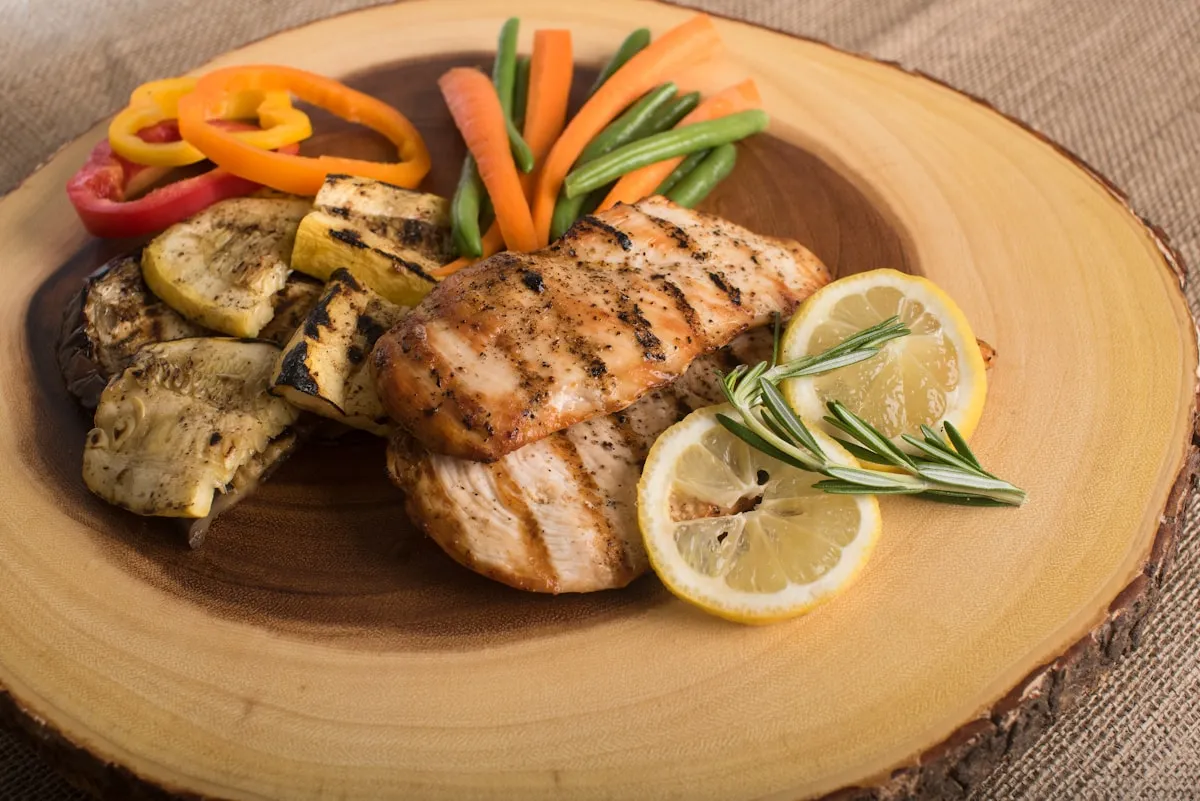
Start by patting your chicken thighs completely dry. Moisture is the enemy of the sear; if there’s water on the surface, your chicken will steam instead of brown. Use a heavy-bottomed skillet or a Dutch oven and get your oil shimmering. Place the chicken skin-side down and leave it alone. Don’t poke it. Don’t nudge it. Let that crust develop for a full five to seven minutes. When you flip it, you should see a deep, mahogany gold. This doesn’t just make the chicken look better; it leaves behind the "fond": those beautiful brown bits stuck to the bottom of the pan that will eventually season your rice.
Managing the Rice: Rinsing and Toasting for Perfection
Rice is the backbone of this dish, but it can easily turn into a gummy, mushy mess if you don't treat it with respect. First, rinse your rice until the water runs clear. This removes the excess surface starch that acts like glue once it hits hot water.
Once rinsed and drained, add the rice directly into the pan after you’ve removed the chicken and sautéed your aromatics. This is the "toasting" phase. By coating each grain in the residual chicken fat and heat, you’re creating a protective barrier. This keeps the grains separate and adds a subtle, nutty depth to the flavor. It’s a small step that separates a mediocre dinner from a professional-grade quick meal.
The Liquid Gold: Salsa Verde and Ratios
The "Verde" in this recipe comes from salsa verde: a blend of tomatillos, lime, and peppers. Because salsa is thicker than broth, you have to be careful with your ratios. A standard 1:2 rice-to-liquid ratio still applies, but you must count the salsa as part of that liquid. If your salsa is particularly chunky, err on the side of adding an extra splash of chicken broth. The acidity in the tomatillos doesn't just add brightness; it helps tenderize the chicken as it finishes cooking on top of the rice.
Vibrant Variations for Every Table
While the classic chicken and rice combo is a staple, you can easily pivot this recipe to fit your lifestyle. For those hunting for healthy dinner ideas, try swapping the chicken thighs for lean chicken breast, though you'll need to reduce the simmering time to prevent the meat from drying out.
If you’re looking for a plant-based twist, swap the chicken for hearty chunks of roasted sweet potato or a couple of cans of black beans. The sweetness of the potatoes pairs incredibly well with the tartness of the salsa verde. For a low-carb version, cauliflower rice works, but be warned: cauliflower doesn't absorb liquid like traditional grain rice. You’ll want to significantly reduce the broth and focus on sautéing the "rice" rather than boiling it.
If you like things spicy, don't just rely on the jarred salsa. Toss in a diced serrano pepper with your onions to give the dish a persistent, creeping heat that cuts through the richness of the chicken fat.
Side Dish Pairings: Balance is Everything
Because this is one of those one pot meals that leans heavily on savory and acidic notes, your side dishes should provide a cooling or crunchy contrast.
A simple cabbage slaw dressed with nothing but lime juice and a pinch of salt provides the necessary crunch to offset the soft texture of the rice. If you’re serving quick family meals, a big bowl of sliced avocado or a dollop of Mexican crema (or sour cream) is a must. The fat in the avocado coats the palate, making the tang of the salsa verde pop without being overwhelming. For a bit of freshness, a quick corn salad with red onions and cilantro can be tossed together while the rice is resting.
FAQ: Mastering the One-Pot Method
What if my rice is still crunchy but the liquid is gone?
This usually happens if your heat was too high or your lid wasn't tight enough, allowing the steam to escape. Don't panic. Add another 1/4 cup of broth, put the lid back on, and let it sit on the lowest possible heat for another five minutes. Whatever you do, don't stir it vigorously; you'll break the grains and end up with porridge.
Can I use brown rice instead of white?
You can, but the physics change. Brown rice takes significantly longer to cook (about 40-45 minutes) and requires more liquid. If you use brown rice, you risk overcooking the chicken into rubber by the time the rice is done. I recommend sticking to long-grain white rice for the best results in chicken recipes.
How do I prevent the bottom from burning?
A little bit of "socarrat" (the crispy rice layer at the bottom) is actually a delicacy in many cultures, but scorched rice is a tragedy. Use a heavy-bottomed pan that distributes heat evenly and keep your simmer as low as your stove will allow. Once the liquid is absorbed, the residual heat will finish the job.
Can I incorporate the air fryer into this meal?
While this is a one-pot stovetop classic, you can use air fryer recipes dinner techniques for the garnishes. Try air-frying some corn tortillas until they're crispy to serve as makeshift tostadas on the side. You can also air-fry extra peppers and onions for a charred topping if you want more texture than the simmered vegetables provide.
My chicken is cooked but the rice is mushy. What happened?
You likely used too much liquid or didn't rinse your rice properly. Next time, measure your salsa and broth precisely. Also, remember the resting phase! Turning off the heat and letting the pot sit for 10 minutes allows the moisture to redistribute. Skipping the rest is a one-way ticket to Mush-ville.
Cooking doesn't have to be a multi-pan chore. With a little scientific understanding of how heat and moisture interact, you can turn a few simple ingredients into a healthy dinner idea that tastes like you spent hours in the kitchen. Now, get that skillet hot and start browning!
{“@type”:”FAQPage”,”@context”:”https://schema.org”,”mainEntity”:[{“name”:”What if my rice is still crunchy but the liquid is gone?”,”@type”:”Question”,”acceptedAnswer”:{“text”:”This happens when heat is too high or the lid isn’t tight. Add a 1/4 cup of broth, replace the lid, and simmer on the lowest heat for five more minutes. Avoid stirring to keep the grains intact.”,”@type”:”Answer”}},{“name”:”Can I use brown rice instead of white?”,”@type”:”Question”,”acceptedAnswer”:{“text”:”Brown rice requires more liquid and a longer cooking time (40-45 minutes), which may lead to overcooked chicken. For a one-pot meal, long-grain white rice is recommended for better timing.”,”@type”:”Answer”}},{“name”:”How do I prevent the bottom of the rice from burning?”,”@type”:”Question”,”acceptedAnswer”:{“text”:”Use a heavy-bottomed pan for even heat distribution and keep the simmer on the lowest possible setting. The residual heat after turning off the stove will finish the cooking process safely.”,”@type”:”Answer”}},{“name”:”Can I use an air fryer for this recipe?”,”@type”:”Question”,”acceptedAnswer”:{“text”:”While the main dish is cooked in one pot, you can use air fryer techniques for side dishes, such as making crispy tortilla strips or charring extra vegetables to use as a garnish.”,”@type”:”Answer”}}]}