Recipe
Servings
Servings 1×
Cook 165 min
Ingredients
- Chicken
- Quinoa
- Broccoli
- Asparagus
- Avocado
- Garlic
- Lemon
- Cooking oil
- Salt
- Black pepper
Method
- Let’s be honest: Tuesday at 6:00 PM is rarely the time for culinary experiments or three-hour braises.
- Use paper towels and pat your chicken thighs until they are bone-dry.
- Let’s talk about garlic and rosemary.
Let’s be honest: Tuesday at 6:00 PM is rarely the time for culinary experiments or three-hour braises. You need a win, and you need it before everyone in the house starts looking at the cereal boxes with predatory intent. My go-to strategy for healthy weeknight dinners always involves the humble chicken thigh. It’s the hardworking hero of the poultry world, forgiving, flavorful, and virtually impossible to overcook. Today, we’re stripping things back to the essentials: heat, salt, garlic, and rosemary. This isn't just dinner; it’s a masterclass in how simple ingredients can produce extraordinary results.
The Science of the Perfect Thigh: Heat, Fat, and Friction
When it comes to healthy dinner ideas, many people reflexively reach for chicken breasts. Stop right there. While breasts are lean, they have the personality of a damp sponge if you overcook them by even thirty seconds. Chicken thighs, however, come with a built-in insurance policy: intramuscular fat and connective tissue. This doesn't just make them tastier; it makes them scientifically superior for roasting.
The magic happens through the Maillard reaction. This is the chemical reaction between amino acids and reducing sugars that gives browned food its distinctive flavor. To get that shatteringly crisp skin, you have to manage moisture. Water is the mortal enemy of the Maillard reaction. If your chicken skin is wet, the oven’s energy is wasted evaporating that water instead of browning the skin. You’ll end up with rubbery, "sad" chicken.
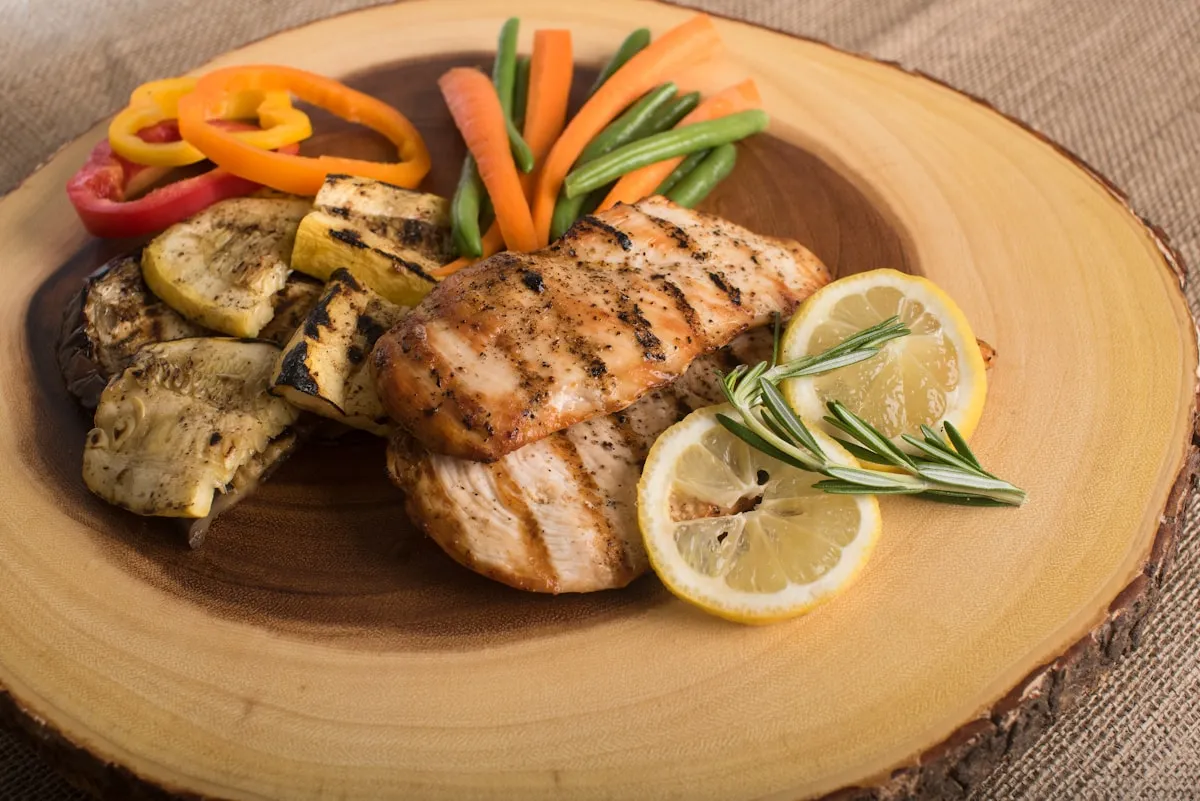
Use paper towels and pat your chicken thighs until they are bone-dry. If you have time, leave them uncovered in the fridge for an hour; the cold air acts as a natural dehydrator. Once dry, you need to address the fat. Thighs have a layer of subcutaneous fat that needs to render, melt away, to leave the skin crisp. High heat is your friend here. Aim for 400°F to 425°F. This temperature is high enough to trigger the rendering process quickly while the internal temperature of the meat catches up.
Let’s talk about garlic and rosemary. These are delicate aromatics. If you chop fresh garlic and toss it on top of a 400-degree chicken skin, it will burn and turn bitter long before the chicken is done. The secret is "the pocket." Use your fingers to gently separate the skin from the meat, creating a small envelope. Tuck your garlic and rosemary paste inside this pocket. The skin acts as a heat shield, protecting the aromatics while the fat from the skin melts down, infusing the meat with that woody rosemary essence and pungent garlic punch.
Check your internal temperature, but don’t stop at the standard 165°F. For thighs, 180°F to 185°F is the sweet spot. At this higher temperature, the collagen in the dark meat fully breaks down into gelatin, resulting in a silky, pull-apart texture that 165°F simply can't achieve. Trust the science; the extra ten minutes won't dry them out; it will actually make them juicier.
Flavor Variations and the Air Fryer Advantage
Once you master the basic technique, the world is your oyster, or your chicken coop. You can easily pivot this recipe to suit whatever is in your pantry. If rosemary feels too "wintery," swap it for fresh thyme and lemon zest for a brighter, Mediterranean vibe. If you’re craving something with a kick, a rub of smoked paprika and dried oregano works wonders. The key remains the same: keep the aromatics protected under the skin or mixed into a high-heat stable oil like avocado or olive oil.
For those days when even preheating the oven feels like a marathon, remember that your air fryer is essentially a high-powered convection oven on steroids. Exploring air fryer recipes dinner options is a great way to shave time off your cooking. The air fryer excels at circulating hot air around the chicken, which means you can often skip the wire rack you’d use in a standard oven. The skin gets exceptionally crackly in an air fryer, often in about 20–25 minutes. Just ensure you don’t crowd the basket; air circulation is the "secret sauce" for that crunch.
If you’re looking for more 30-minute meals, consider deboning the thighs. While bone-in chicken offers more flavor and a slower, more even cook, boneless skin-on thighs cook in nearly half the time. They are perfect for those nights when the "hangry" meter is hitting the red zone. Just watch them closely, as they lack the thermal mass of the bone and can go from perfect to overdone more quickly.
Balancing the Plate: Quick Side Dish Pairings
Because roasted thighs are rich and fatty, your side dishes should do the heavy lifting in terms of acidity and crunch. This balance is what turns a simple protein into a complete, quick family meal. Avoid heavy, creamy sides that compete with the chicken’s richness. Instead, think about "cutting" through that fat.
A simple tray of roasted asparagus or broccoli, tossed in lemon juice and a hint of red pepper flakes, is the perfect partner. You can even roast them on the same sheet pan as the chicken if you timed it right (usually adding the veggies in the last 15 minutes). The rendered chicken fat on the pan will even season the vegetables, making them taste incredible without much extra effort.
For a grain-based option, a bright quinoa or farro salad with lots of fresh parsley and a sharp vinaigrette provides a refreshing contrast. The acidity in the dressing acts as a palate cleanser between bites of the savory, rosemary-infused chicken. If you prefer a starch, roasted sweet potato wedges provide a natural sweetness that complements the woodiness of the rosemary perfectly.
Frequently Asked Questions
Why isn't my chicken skin getting crispy?
The most common culprit is moisture. If you didn't pat the skin dry, or if you crowded the pan, you effectively steamed the chicken. Use a wire rack over your baking sheet to allow air to circulate underneath the meat. Also, ensure you aren't using butter on the skin; butter contains water and milk solids that can impede the crisping process and burn. Stick to pure oils.
Can I use chicken breasts for this recipe?
You can, but you shouldn't, at least not with this specific high-heat, long-roast method. Breasts lack the fat and connective tissue to survive 185°F. If you must use breasts, reduce the cooking time significantly and pull them out as soon as they hit 165°F. However, you will miss out on the deep flavor and texture that makes this dish a staple of healthy weeknight dinners.
Is it necessary to wash the chicken first?
Absolutely not. In fact, please don't. Washing raw poultry in the sink actually increases the risk of foodborne illness by splashing bacteria onto your countertops, faucets, and nearby dishes. The heat of the oven is more than enough to kill any bacteria. Just pat it dry with paper towels and dispose of them immediately.
Do I really need fresh rosemary, or can I use dried?
Fresh is superior here because the oils are more volatile and aromatic. Dried rosemary can sometimes feel like eating pine needles if it doesn't have enough liquid to rehydrate. If you only have dried, crush it finely between your palms before mixing it with the oil to help release the flavors, but reduce the amount by half as dried herbs are more concentrated.
What if I don't have a meat thermometer?
Invest in one! It is the single best tool for a home cook. If you're in a pinch, you can poke the thickest part of the thigh with a skewer; the juices should run clear, not pink. However, the "feel" method is notoriously unreliable for beginners. For a consistent, stress-free quick family meal, a digital thermometer is your best friend.
Can I make this ahead of time?
Roasted chicken is always best fresh from the oven when the skin is at its peak. However, leftovers make for an incredible addition to salads or wraps the next day. To reheat and preserve some of that crunch, avoid the microwave. Use a toaster oven or your air fryer for 5 minutes at 350°F to bring the skin back to life.
{“@type”:”BlogPosting”,”image”:”https://cdn.marblism.com/NDHlkJKDqek.webp”,”author”:{“name”:”Penny”,”@type”:”Person”},”@context”:”https://schema.org”,”headline”:”Healthy Weeknight Dinners: Baked Chicken Thighs with Garlic and Rosemary”,”publisher”:{“logo”:{“url”:”https://cdn.marblism.com/KxroJ1kM_KA.webp”,”@type”:”ImageObject”},”name”:”Cookpedia”,”@type”:”Organization”},”description”:”Learn the science behind perfectly crispy, healthy baked chicken thighs with garlic and rosemary. A simple, flavor-packed weeknight dinner solution.”,”datePublished”:”2026-07-31″,”mainEntityOfPage”:{“@id”:”https://cookpedia.com/healthy-weeknight-dinners-baked-chicken-thighs”,”@type”:”WebPage”}}