Recipe
Servings
Servings 1×
Cook 48 min
Ingredients
- Chicken
- Rice
- Bread
- Onion
- Garlic
- Lemon
- Salt
Method
- Let’s be honest: the dream of a one-pot meal is often better than the reality.
- Use medium-high heat and leave it alone until the skin releases naturally from the pan.
- Toast your rice in the rendered chicken fat first.
- Use a heavy-bottomed skillet or a Dutch oven to ensure even heat distribution.
- Use fresh oregano if you can find it, but if you're using dried, rub it between your palms before adding it to the pan.
- Let the pot sit undisturbed for the full duration, and most importantly, let it rest for five minutes after you turn off the heat.
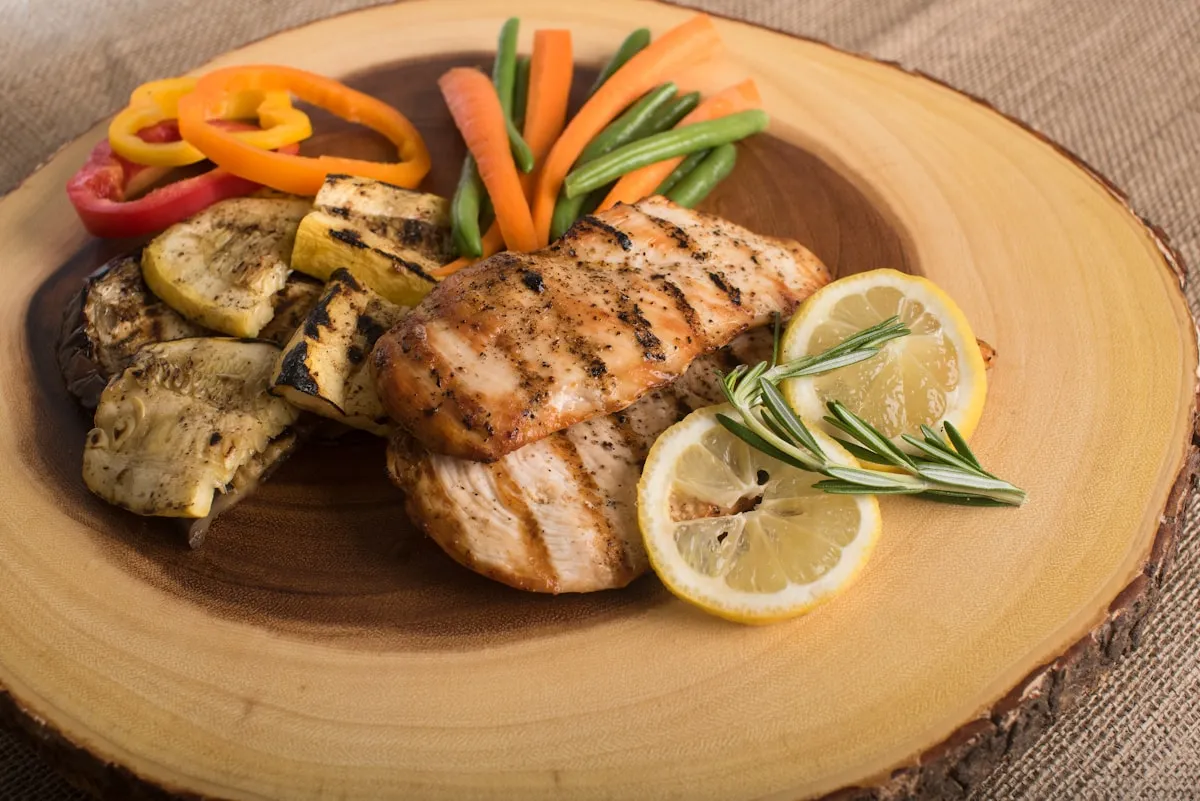
Let’s be honest: the dream of a one-pot meal is often better than the reality. Usually, you end up with either perfectly cooked rice and dry, sad chicken, or juicy chicken sitting in a puddle of rice mush. But when you get it right, it’s culinary magic. My Greek Lemon Rice with Chicken is that magic. It’s one of those quick family meals that makes you look like a kitchen wizard without the mountain of dishes. This isn't just "food in a pot"; it's a calculated orchestration of heat and acid that delivers soulful, vibrant flavors every single time.
The Science of the Sear and the Starch
If you want a dish that tastes like it spent hours in a Mediterranean kitchen, you have to respect the Maillard reaction. This isn't just fancy chef-speak; it’s the chemical reaction between amino acids and reducing sugars that gives browned food its distinctive flavor. When you sear your chicken, don't just "color" it. Use medium-high heat and leave it alone until the skin releases naturally from the pan. This creates a crust of concentrated umami that will eventually dissolve into your cooking liquid, seasoning the rice from the bottom up.
The rice itself requires a specific technique called the "pilaf method." Avoid the temptation to just dump the grains into the liquid. Toast your rice in the rendered chicken fat first. Why? Toasting creates a protective coating of fat around each grain. This limits the amount of starch released during the cooking process, ensuring your grains stay distinct and fluffy rather than turning into a sticky clump. Aim for a slightly translucent look with a nutty aroma before you introduce any broth.
Temperature management is your best friend here. Use a heavy-bottomed skillet or a Dutch oven to ensure even heat distribution. If your pan is too thin, you’ll end up with "socarrat" (the burnt rice crust) in the middle before the edges are even warm. While some love that crunchy bottom, in this specific Greek profile, we’re looking for creamy, citrusy infusion, not a scorched earth policy.
Acidity is the final scientific pillar. Lemon juice does more than just add "zing." The citric acid acts as a flavor bridge, cutting through the richness of the chicken fat and brightening the earthy tones of the oregano. It also helps to keep the chicken fibers tender as they finish cooking in the steam. Check the seasoning of your liquid before the lid goes on; once the rice absorbs it, you can’t easily adjust the salt levels without ruining the texture.
Elevating the Experience: Texture and Flavor
Consistency is key when you’re looking for healthy dinner ideas that satisfy a hungry crowd. Always use long-grain rice, specifically Basmati or Jasmine, for this method. These varieties have a lower amylopectin content, which is the starch responsible for stickiness. If you try this with short-grain arborio, you’ll end up with a lemon risotto: delicious, but a completely different beast that requires constant stirring, which defeats the one-pot purpose.
Don't ignore the power of aromatics. While the chicken is the star, the garlic and onions are the supporting cast that provide the "base notes" of flavor. Sauté them until they are softened but not browned; you want their sweetness to meld with the lemon juice rather than compete with the roasted notes of the chicken skin. Use fresh oregano if you can find it, but if you're using dried, rub it between your palms before adding it to the pan. This physical friction breaks down the dried leaves and releases the essential oils that have been trapped inside.
Finally, resist the urge to peek. Every time you lift the lid to "check on things," you release the steam that is doing the heavy lifting of cooking the rice and the top of the chicken. Trust the ratio. Let the pot sit undisturbed for the full duration, and most importantly, let it rest for five minutes after you turn off the heat. This resting period allows the moisture to redistribute evenly throughout the grains, ensuring the top layer isn't drier than the bottom.
Variations for Every Kitchen
If you find yourself short on time but still want those Mediterranean vibes, you can pivot. For those who love air fryer recipes dinner enthusiasts often enjoy, you can actually air fry the chicken thighs separately to get maximum skin crispiness while your rice simmers on the stove. This isn't strictly "one-pot," but it's a great hack if your skillet isn't large enough to hold everything at once. Use the air fryer to achieve that high-intensity convection heat on the protein while the rice does its thing in a small saucepan.
For a plant-based twist, swap the chicken for thick slices of cauliflower or large chunks of firm tofu. If using cauliflower, sear the "steaks" exactly like you would the chicken to get that deep caramelization. You’ll want to reduce the cooking time slightly, as vegetables don't need as long to tenderize as poultry.
If you’re watching your carb intake, you can substitute half the rice with cauliflower rice. However, do not add the cauliflower rice at the beginning. Fold it in during the last five minutes of cooking. Because cauliflower is mostly water, adding it too early will result in a soggy mess. The goal is to keep the "bite" of the grain while bulking out the volume with veggies.
The Perfect Side Kick
Balance is everything in Greek cuisine. Since the one-pot chicken and rice is rich and savory, you need something sharp and fresh to reset your palate. A classic Horiatiki (Greek salad) is the non-negotiable partner here. Focus on high-quality feta cheese and vine-ripened tomatoes. The saltiness of the olives and the crunch of the cucumbers provide a textural contrast that the soft rice lacks.
If you want something warm, roasted asparagus or broccoli with a heavy squeeze of lemon and a dusting of parmesan works beautifully. Avoid side dishes that are overly creamy or starchy (like mashed potatoes), as they will clash with the texture of the rice. Think green, think crisp, and think acidic. Even a simple pile of arugula tossed in red wine vinegar and olive oil can transform this from a simple meal into a restaurant-quality experience.
Frequently Asked Questions
Why did my rice turn out mushy?
Mushy rice is usually the result of one of two things: too much liquid or too much starch. Always measure your liquid precisely. It’s tempting to "eyeball" it, but the difference between fluffy rice and porridge is often just a quarter-cup of broth. Additionally, if you skipped the toasting step, the grains released all their starch into the water, creating a sticky glue. Use the pilaf method every single time to prevent this.
Can I use chicken breast instead of thighs?
You can, but I wouldn't recommend it for a one-pot method. Chicken breasts are very lean and dry out quickly. By the time the rice is fully cooked, the breast will likely be overcooked and rubbery. Chicken thighs have more connective tissue and fat, which keeps them juicy during the longer simmering process. If you must use breast meat, cut it into large chunks and add it to the pot halfway through the rice's cooking time.
My chicken skin isn't crispy after cooking in the pot. What happened?
When you cook chicken on top of rice, the steam from the rice will naturally soften the skin. This is the trade-off for a one-pot meal. To fix this, you can pop the oven-safe skillet under the broiler for 2-3 minutes after the rice is done. This will re-crisp the skin without overcooking the meat. Just keep a close eye on it; the broiler works fast!
Is this a good option for meal prep?
Absolutely. This dish actually tastes better the next day as the flavors have more time to marry. It’s one of my favorite healthy dinner ideas for busy weeks because it reheats beautifully in a skillet with a splash of water to loosen the rice. Avoid the microwave if possible, as it can make the chicken rubbery.
What if I don't have a Dutch oven?
Any deep, heavy-bottomed skillet with a tight-fitting lid will work. If your lid isn't perfectly tight, you can place a layer of aluminum foil over the pan before putting the lid on. This creates an extra seal to trap the steam, which is essential for cooking the rice evenly.
Can I use brown rice instead?
Brown rice requires significantly more liquid and a much longer cooking time (usually 45-50 minutes). If you use the same ratio as white rice, your rice will be crunchy. If you want to use brown rice, you’ll need to increase the liquid and potentially sear the chicken but wait to add it back to the pot until the rice has already been cooking for 20 minutes.
This Greek Lemon Rice with Chicken is a staple for a reason. It’s efficient, it’s packed with bold flavors, and it respects the science of good cooking. Master the sear, toast your rice, and let the steam do the work. Your weeknight dinner just got a serious upgrade. For more quick family meals and cooking tips, keep exploring our recipe database at Cookpedia.