Recipe
Servings
Servings 1×
Ingredients
- Chicken
- Quinoa
- Potatoes
- Broccoli
- Asparagus
- Kale
- Garlic
- Fresh ginger
- Lemon
- Lime
- Mustard
- Cooking oil
- Soy sauce or tamari
- Black pepper
Method
- Use fresh lemon zest as well; the oils in the skin contain the most intense citrus flavor without the aggressive bite of the juice.
- Start your chicken skin-side down.
- Keep a meat thermometer handy; visual cues like "clear juices" are unreliable and often lead to overcooked, rubbery results.
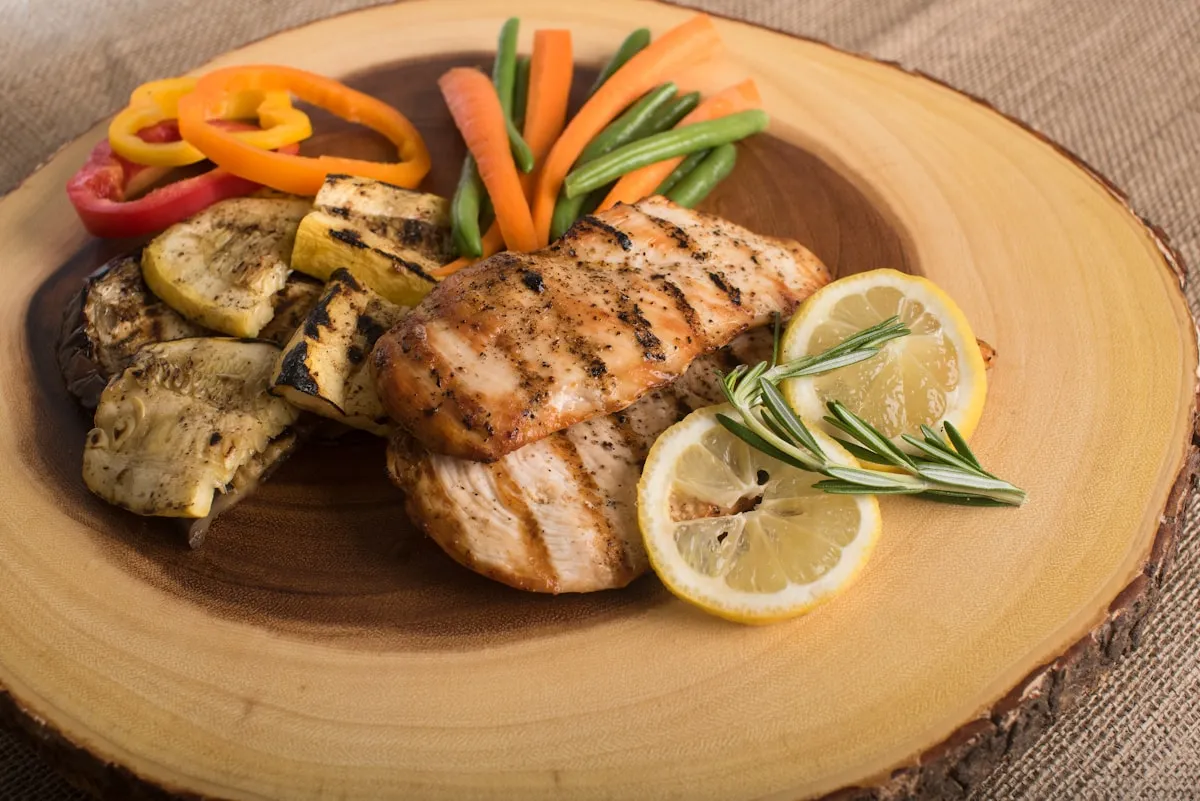
If you are tired of dry, flavorless chicken breasts that require a gallon of sauce to swallow, it is time to join the dark side. Chicken thighs are the unsung heroes of the backyard barbecue. They are forgiving, fatty in all the right ways, and when hit with the punchy combination of lemon and cracked pepper, they become an absolute staple for anyone looking for healthy dinner ideas. Put away the complicated marinades and let’s get down to the business of mastering the grill with a recipe that is as soulful as it is simple.
The Science of the Perfect Char
Getting the perfect grilled chicken isn’t just about luck; it’s about understanding the chemistry happening on those grates. The first thing you need to know is why we choose the thigh. Unlike the breast, which is lean and prone to drying out the second it hits 165°F, thighs contain a higher amount of connective tissue and intramuscular fat. This means they are far more resilient. In fact, while a breast is done at 165°F, a chicken thigh actually tastes better when cooked to 175°F or even 180°F. At these higher temperatures, the collagen in the meat breaks down into gelatin, resulting in that melt-in-your-mouth texture we all crave.
Now, let’s talk about that lemon pepper punch. The acidity in the lemon juice serves a dual purpose. First, it acts as a tenderizer. Citric acid begins to break down the surface proteins of the meat, which allows the flavors to penetrate deeper than a standard dry rub. However, do not over-marinate. If you leave your chicken in a highly acidic bath for more than a few hours, the acid will start to turn the meat’s texture into something resembling wet cardboard. Aim for a sweet spot of two to four hours. Use fresh lemon zest as well; the oils in the skin contain the most intense citrus flavor without the aggressive bite of the juice.
Temperature management is your next non-negotiable. Aim for a grill temperature between 400°F and 425°F. This is the "Goldilocks" zone for the Maillard reaction, that glorious chemical reaction between amino acids and reducing sugars that gives browned food its distinctive flavor. If the grill is too cold, you’re just steaming the meat. If it’s too hot, you’ll burn the exterior before the fat has a chance to render.
Start your chicken skin-side down. This allows the fat to render out and crisp up the skin, creating a barrier that keeps the juices locked inside. Avoid moving the meat too early. If the chicken is sticking to the grates, it isn't ready to be flipped. The meat will naturally "release" once it has developed a proper crust. Keep a meat thermometer handy; visual cues like "clear juices" are unreliable and often lead to overcooked, rubbery results. Trust the numbers, not your eyes.
Spicing it Up: Variations to Try
While the classic lemon and pepper duo is hard to beat, you can easily pivot this technique to suit your mood. If you want to lean into the Mediterranean vibe, add a heavy hand of dried oregano and minced garlic to your marinade. The earthy notes of the oregano play beautifully against the brightness of the lemon.
For those who crave a bit of heat, introduce some crushed red pepper flakes or even a teaspoon of Dijon mustard. The mustard acts as an emulsifier, helping the oil and lemon juice stay together, which ensures every inch of the chicken is coated in flavor. If you are looking for quick family meals that feel a bit more exotic, swap the lemon for lime and add a splash of soy sauce and ginger. The technique remains the same, but the flavor profile shifts entirely toward a zestier, Asian-inspired dish.
You can also experiment with the pepper itself. While standard black table pepper is fine in a pinch, using coarsely cracked peppercorns or even a blend of white, pink, and green peppercorns adds a sophisticated depth. White pepper provides a subtle, fermented funk, while pink peppercorns bring a floral sweetness that complements the citrus zest perfectly.
What to Serve with Lemon Pepper Chicken
When you have a dish that is high in fat and acidity, you want side dishes that offer balance. A crisp, bitter green like arugula or kale works wonders. The bitterness of the greens cuts through the richness of the chicken fat, while a light vinaigrette echoes the citrus notes of the main course.
If you need something heartier, consider grilled asparagus or charred broccolini. Since your grill is already hot, throw these vegetables on during the last few minutes of the chicken’s cook time. The smoky char on the vegetables bridges the gap between the meat and the sides. For a starch, a simple quinoa salad or roasted new potatoes with rosemary can soak up any leftover juices. If you are exploring air fryer recipes dinner enthusiasts often rave about, you can even toss some potato wedges in the air fryer while the chicken finishes on the grill for a perfect texture contrast.
Frequently Asked Questions
Can I use chicken breasts instead?
You can, but you must be much more vigilant. Breasts have zero room for error. Pull them off the heat exactly at 160°F and let the carry-over cooking bring them to 165°F. If you go even five degrees over, you’re looking at a dry dinner. Thighs are far more forgiving and flavorful for beginners.
Why is my chicken sticking to the grill?
There are usually two culprits: a cold grill or a dirty grill. Make sure your grates are scrubbed clean and fully preheated before the meat touches them. Also, ensure your marinade has enough oil. Oil acts as a lubricant between the protein and the metal.
Should I leave the skin on?
Absolutely. Even if you don't plan on eating the skin, it acts as a protective blanket for the meat. It prevents the moisture from evaporating and provides a layer of fat that bastes the meat as it cooks. You can always peel it off after cooking if you're watching your macros.
How do I prevent flare-ups?
Flare-ups happen when fat drips onto the heat source and ignites. Since thighs are fatty, this is common. If you see a flame-up, move the chicken to a "cool zone" (a part of the grill where the burners are off or the coals are thinner) until the flames subside. Never spray water on a grease fire; you'll just splash hot oil everywhere.
Can I make this in the oven?
Yes, but you’ll miss that smoky char. If you must go indoors, use a cast-iron skillet to sear the skin first, then finish it in a 400°F oven. It won't be exactly the same, but it's a solid backup for a rainy day.
How long does the leftover chicken last?
Stored in an airtight container, these thighs will stay delicious for up to four days in the fridge. They actually make for incredible cold salad toppers the next day, as the lemon flavor tends to settle and mellow out.
If you are looking for more inspiration, check out our guide on Classic Chicken Fajitas for another way to master the grill. Cooking doesn't have to be a chore; once you understand the "why" behind the heat, every meal becomes an opportunity to create something soulful. Now, go get that grill started.