Recipe
Servings
Servings 1×
Ingredients
- Chicken
- Quinoa
- Potatoes
- Sweet potatoes
- Cucumber
- Garlic
- Lemon
- Lime
- Mustard
- Cream
- Hard cheese
- Feta
- Cooking oil
- Chili seasoning
- Black pepper
Method
- Let’s be honest: your weeknight schedule is a battlefield.
- Use a cast-iron grill pan or a preheated outdoor grill.
- Give it three to five minutes to allow the fibers to relax and reabsorb those precious liquids.
Let’s be honest: your weeknight schedule is a battlefield. Between the late meetings and the never-ending laundry pile, the last thing you want is a kitchen project that takes an hour and leaves you with a sink full of dishes. You need healthy dinner ideas that don't taste like cardboard. This lemon herb grilled chicken is my go-to for exactly that reason. It’s fast, it’s punchy, and it actually tastes like you put in effort. I'm talking about a Mediterranean-inspired meal that transforms boring poultry into a juicy, zesty centerpiece in less time than it takes to scroll through a delivery app.
The Science of the 15-Minute Sear
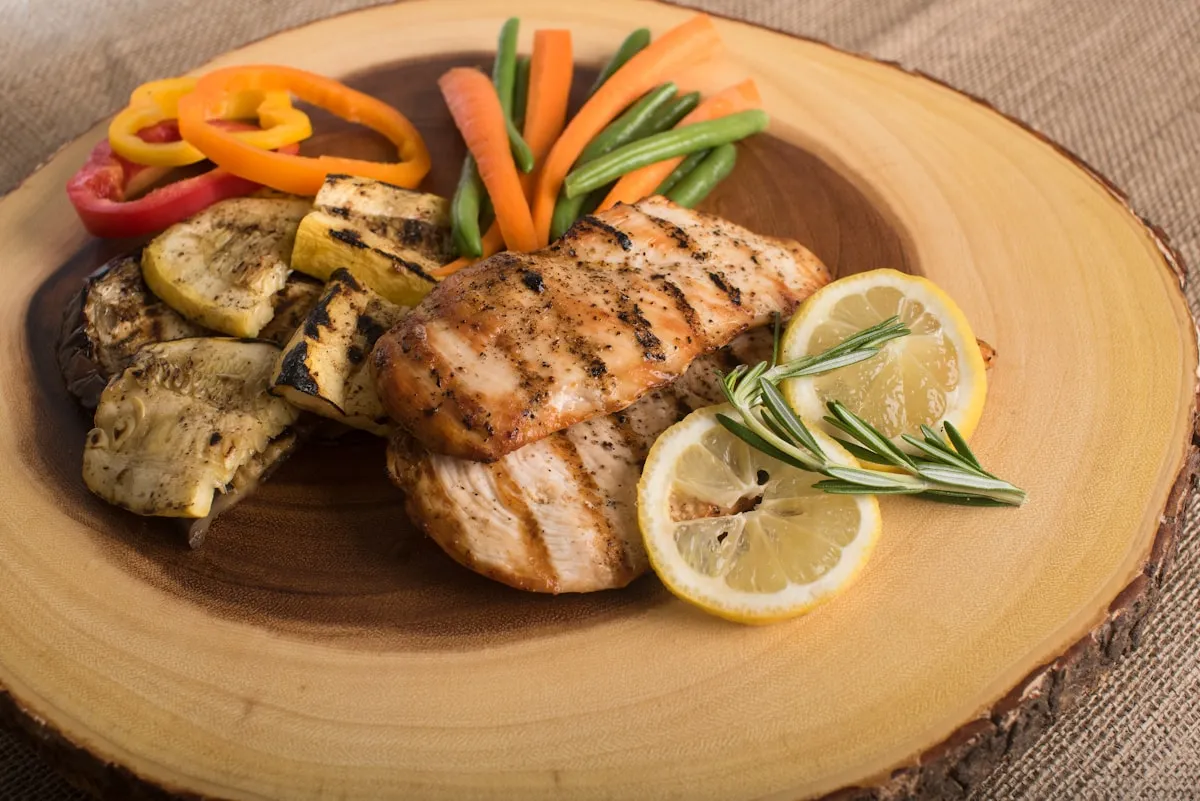
Getting dinner on the table in record time isn't magic; it’s physics. The biggest hurdle to quick chicken is the uneven shape of the breast. One end is thick and stubborn, while the other is thin and prone to drying out. If you throw a whole breast on the grill, you’re either eating raw centers or rubbery edges. To fix this, use a meat mallet or a heavy skillet to pound the chicken to an even thickness. This creates a uniform surface area, ensuring the heat penetrates the meat at the same rate. This simple mechanical step is the secret to why these are such effective 15 minute meals.
When it comes to flavor, we’re relying on the science of acid. Lemon juice isn't just there for the zing; it acts as a tenderizer. The citric acid begins to break down the tightly wound protein fibers on the surface of the meat. This process, known as denaturation, allows the olive oil and herbs to cling better and penetrate deeper. However, don’t let the meat sit in the acid for hours. Too much time in lemon juice will actually turn the texture mushy, aim for a quick 5-to-10-minute soak while your grill gets screaming hot.
Speaking of heat, you want a high-temperature environment to trigger the Maillard reaction. This is the chemical reaction between amino acids and reducing sugars that gives browned food its distinctive flavor. Use a cast-iron grill pan or a preheated outdoor grill. If the pan isn't hot enough, the chicken will steam in its own juices instead of searing. This leads to that grey, unappealing look we all want to avoid. Look for that initial puff of smoke and hear that aggressive sizzle the moment the meat hits the metal. For more on mastering the heat, check out our guide on how to achieve the perfect sear.
Finally, respect the rest. Once the chicken hits that safe internal temperature, pull it off the heat immediately. The residual heat will continue to cook the meat for a few minutes, a phenomenon called carry-over cooking. If you cut into it right away, the juices will escape onto the plate, leaving the meat dry. Give it three to five minutes to allow the fibers to relax and reabsorb those precious liquids. This discipline is what separates a mediocre cook from a kitchen hero.
Flavor Variations and Herb Swaps
The beauty of a Mediterranean base is its versatility. While oregano and garlic are the classic heavy hitters, you can easily pivot based on what’s wilting in your crisper drawer. If you want something brighter and more "garden-fresh," swap the dried oregano for a handful of chopped fresh mint and parsley. The mint provides a cooling counterpoint to the charred meat that is incredibly refreshing on a warm evening.
For those who prefer a bit of heat, introduce crushed red pepper flakes or a spoonful of Calabrian chili paste into your oil mixture. The capsaicin in the peppers provides a slow burn that is beautifully balanced by the bright acidity of the lemon. If you are looking for quick family meals that please everyone, you might even consider a "citrus swap." Lime juice and cilantro move the dish toward a bright, Latin-inspired profile, while orange juice and rosemary offer a sweeter, woodier depth that works beautifully in the autumn months.
Don't ignore the aromatics. While garlic is non-negotiable in my book, adding grated shallot or even a touch of Dijon mustard can change the emulsification of your coating. The mustard acts as a binder, helping the oil and lemon juice stay together, which results in a thicker, crustier exterior once it hits the heat. If you're experimenting with different cooking methods, this recipe also adapts perfectly for air fryer recipes dinner enthusiasts; the circulating hot air mimics the convection of a grill, providing a similar "fried" exterior without the excess oil.
Perfect Side Dish Pairings
Balance is the name of the game when plating this chicken. Since the meat is lean and acidic, you want sides that provide either a creamy contrast or an earthy foundation. A crisp arugula salad with shaved parmesan is a classic choice. The peppery bite of the greens and the saltiness of the cheese cut through the citrus, creating a sophisticated flavor profile with almost zero effort.
If you need something more substantial, consider a grain bowl. Quinoa or farro tossed with a little feta and cucumber provides a wonderful texture that soaks up any leftover lemon-garlic juices from the chicken. For a warmer option, roasted sweet potatoes offer a natural sweetness that rounds out the sharp edges of the marinade. The goal is to avoid heavy, cream-based sides that might overwhelm the delicate herbal notes of the poultry. Stick to "real food" components that enhance, rather than mask, your hard work on the grill.
Frequently Asked Questions
Why is my grilled chicken always dry?
Usually, this is a result of overcooking or failing to pound the meat. Most people cook chicken until they "think" it’s done, which often means they’ve sailed past the 165°F mark. Use an instant-read thermometer to be certain. Also, remember that without pounding the meat to an even thickness, the thin end will always be dry by the time the thick end is safe to eat.
Can I use chicken thighs instead of breasts?
Absolutely. Chicken thighs are much more forgiving because they have a higher fat content. They won't dry out as easily, but they do take slightly longer to cook. If you use thighs, keep them on the heat for an extra 2-3 minutes per side and ensure the skin (if using) gets properly crispy to render out the fat.
What if I don't have a grill?
A heavy cast-iron skillet is your best friend here. It retains heat better than stainless steel and will give you those dark, flavorful brown bits. You can also utilize your air fryer. Many air fryer recipes dinner followers find that the high-velocity air creates a fantastic "grilled" texture in a fraction of the time with significantly less cleanup.
How long can I store the leftovers?
This chicken is one of those healthy dinner ideas that actually tastes great cold the next day. It will stay fresh in an airtight container in the fridge for up to three or four days. Slice it up and toss it over a salad for a lightning-fast lunch. Just avoid reheating it in the microwave for too long, as that’s a one-way ticket to Rubber-Town.
My chicken is sticking to the grill, help!
This usually happens for two reasons: either your grill wasn't hot enough when you started, or you’re trying to flip the meat too early. Protein bonds to the metal initially, but once a proper crust forms (the sear), the meat will naturally "release" from the surface. If you feel resistance when you try to flip it, leave it alone for another minute. Also, make sure you’ve lightly oiled both the meat and the grill grates.
Can I use bottled lemon juice?
In a pinch, yes, but I strongly advise against it. Bottled juice often contains preservatives that can give the meat a slightly metallic aftertaste. Fresh lemon juice contains active enzymes and oils from the zest that provide a depth of flavor you just can’t get from a plastic squeeze bottle. If you're putting in the effort to cook, treat yourself to a real lemon.