Recipe
Servings
Servings 1×
Ingredients
- Chicken
- Penne
- Pasta
- Noodles
- Bread
- Broccoli
- Asparagus
- Mushrooms
- Spinach
- Kale
- Garlic
- Lemon
- Coconut milk
- Cream
- Hard cheese
- Butter
- Salt
Method
- Prepare the ingredients described in the article and heat the cooking surface or oven as directed.
- Cook the main ingredients using the heat and timing guidance in the article.
- Finish with the seasonings and garnishes named in the article, then serve.
Let’s be honest: the dream is a gourmet dinner that doesn't leave your kitchen looking like a crime scene of pots and pans. I’ve spent years chasing the perfect bowl of pasta that hits that sweet spot between "soul-soothing comfort" and "I’m too tired to do dishes." This one-pot creamy mushroom pasta is exactly that. It’s elegant enough for a date night but fast enough to qualify as one of those quick family meals you keep in your back pocket for a frantic Tuesday. By cooking everything in one vessel, we aren't just saving time; we’re actually hacking the science of flavor.
The Science of Starch and the Maillard Magic
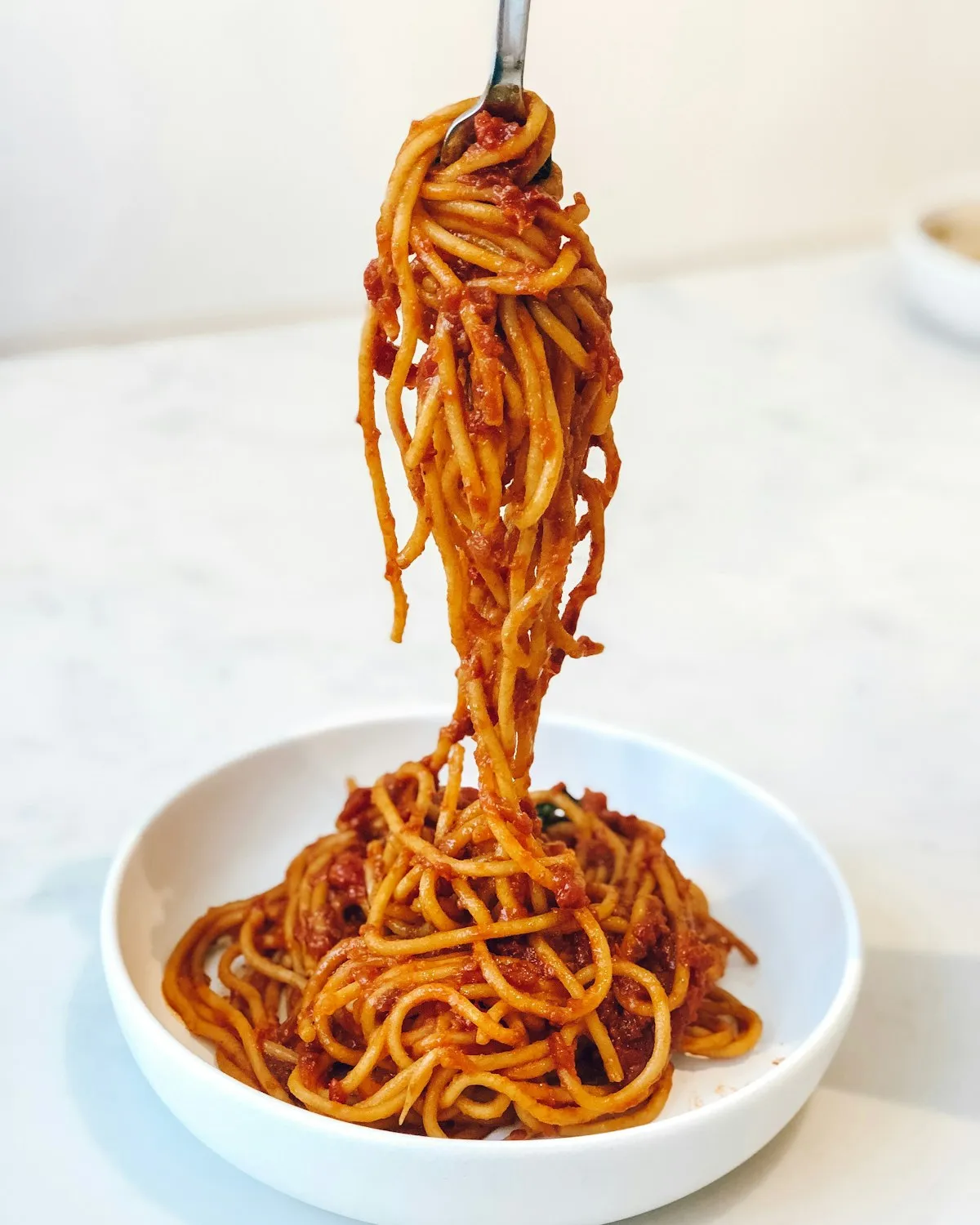
When you make most simple pasta recipes, you probably boil the noodles in a massive gallon of salted water, drain them, and toss that liquid down the sink. Stop doing that. In the world of one pot meals, that cloudy, starchy water is your best friend. As the pasta hydrates and releases its surface starch, it stays right there in the pan, acting as a natural thickener. This creates a built-in "glue" that helps your cream, butter, and cheese emulsify into a glossy, restaurant-quality sauce that actually clings to the pasta rather than pooling at the bottom of the bowl.
But before you even think about adding water, you have to talk about the mushrooms. To get that deep, meaty, "umami" punch, you must respect the Maillard reaction. This is the chemical dance between amino acids and sugars that happens when food hits high heat. If you crowd your pan or stir too often, your mushrooms will steam and turn into sad, grey rubber. Instead, use a wide pot to maximize surface area and let them sit undisturbed until they develop a dark, golden crust.
Trust the process: sear those mushrooms in batches if you have to. Once they are browned, remove them and deglaze the pan with a splash of stock or wine. Scraping up those little brown bits (the "fond") is like mining for liquid gold, it’s where the deepest flavor lives. For more on achieving that perfect texture, check out my guide on achieving the perfect glossy sauce.
Always use a wide, heavy-bottomed pot. This ensures even heat distribution and allows liquid to evaporate at a controlled rate. If your pot is too narrow, you’ll end up with a soup rather than a sauce. Treat the cooking process like a risotto; stir every minute or two to agitate the starch and prevent the pasta from sticking to the floor of the pan. This agitation is what coaxes the starch out into the liquid, setting the stage for that velvet finish.
Flavor Variations and Texture Tweaks
While a classic cremini mushroom provides a reliable earthiness, don't be afraid to experiment with the "meaty" factor of your dish. If you want something more robust, try a mix of shiitake for depth or oyster mushrooms for a delicate, silky texture. For a plant-based twist, you can swap the heavy cream for full-fat coconut milk or a cashew cream, though you’ll need to add a squeeze of lemon at the end to cut through the heavier fats.
If you’re looking for healthy dinner ideas that don't skimp on satisfaction, stir in a few handfuls of baby spinach or kale during the last two minutes of cooking. The residual heat will wilt the greens perfectly without turning them into mush. For a protein boost, thinly sliced chicken breast or sautéed leeks can be introduced during the initial browning phase. Just remember: if you add more "stuff," you might need a tiny splash more liquid to ensure the pasta still has enough room to hydrate.
Balancing the Richness
Because this dish is unapologetically rich and earthy, you need a sidekick that brings the brightness. A heavy, creamy pasta cries out for acidity and crunch. I always pair this with a simple arugula salad tossed in a sharp lemon vinaigrette. The peppery bite of the greens and the citrus acid act as a palate cleanser, making every bite of the pasta feel as fresh as the first.
Avoid heavy breadsticks or garlic bread unless you’re planning a very long nap afterward. Instead, think about light, vibrant vegetables. Steam some tenderstem broccoli or quick-char some asparagus in the oven. If you’re already using your countertop gadgets for other parts of the meal, you might even find inspiration in these air fryer recipes dinner favorites to keep the main stove-top focus on your pasta. A little bit of char and a lot of lemon juice is the golden rule for side dishes here.
Troubleshooting Your One-Pot Wonders (FAQ)
What if my pasta is still hard but the liquid is all gone?
Don't panic. This usually happens if your heat was too high or your pot was too wide, causing the water to evaporate faster than the pasta could absorb it. Simply add a half-cup of hot stock or water and keep stirring. Always use hot liquid so you don't drop the temperature of the pot and ruin the cooking rhythm.
Why did my sauce turn out grainy instead of smooth?
Graininess usually comes from adding your cheese too fast or over high heat. High heat causes the proteins in the cheese to clump together (essentially "scrambling" them) rather than melting smoothly into the sauce. Always turn the heat down to low, or better yet, take the pot off the burner entirely before folding in your Parmesan.
Can I use any pasta shape for this?
Technically, yes, but some are better than others. Short, ridged shapes like penne or fusilli are fantastic because they have more surface area to catch that starchy sauce. If you use long noodles like linguine, you have to be extra diligent about stirring in the first few minutes to prevent them from fusing into a single, giant noodle brick.
My mushrooms are pale and soggy: what happened?
You likely overcrowded the pan or salted them too early. Mushrooms are about 90% water. If you dump a pound of them into a small pot all at once, they release all that water, the temperature drops, and they boil in their own juices. Give them space, use high heat, and don't add salt until they’ve already started to turn brown and "crispy" around the edges.
Is it possible to make this ahead of time?
One-pot pastas are best enjoyed immediately. Because the sauce is thickened with starch, it will continue to set as it cools. If you do have leftovers, you’ll find they’ve turned into a thick block in the fridge. To reheat, add a generous splash of water or milk to the pan to loosen the starch back up and bring that creaminess back to life. It won't be quite as "magical" as the first time, but it still beats a sad desk sandwich any day.
{“@type”:”BlogPosting”,”image”:”https://cdn.marblism.com/MQIwxNBNqmP.webp”,”author”:{“name”:”Penny”,”@type”:”Person”},”@context”:”https://schema.org”,”headline”:”One-Pot Creamy Mushroom Pasta”,”publisher”:{“logo”:{“url”:”https://cookpedia.com/logo.png”,”@type”:”ImageObject”},”name”:”Cookpedia”,”@type”:”Organization”},”articleBody”:”Intro: The dream of a gourmet dinner without the cleanup. Science: Maillard reaction for mushrooms and starch emulsification for the sauce. Variations: Mushroom types and healthy additions. Pairings: Acidic side dishes like arugula salad. FAQ: Troubleshooting common one-pot issues like graininess or evaporation.”,”description”:”A deep dive into the science of one-pot meals, featuring a creamy mushroom pasta that focuses on the Maillard reaction and starch emulsification for a 20-minute gourmet dinner.”,”datePublished”:”2026-05-19″}