Recipe
Servings
Servings 1×
Cook 60 min
Ingredients
- Chicken
- Chickpeas
- Pasta
- Tortillas
- Bread
- Broccoli
- Zucchini
- Spinach
- Kale
- Tomatoes
- Garlic
- Lemon
- Balsamic vinegar
- Cream
- Butter
- Cooking oil
- Black pepper
Method
- Prepare the ingredients described in the article and heat the cooking surface or oven as directed.
- Cook the main ingredients using the heat and timing guidance in the article.
- Finish with the seasonings and garnishes named in the article, then serve.
You know those nights when the clock is ticking, the family is circling the kitchen like hungry sharks, and your brain is a total blank? We’ve all been there. You want something that tastes like a long Sunday afternoon in Tuscany, but you actually have about fifteen minutes before the next activity starts. This is where my favorite 15 minute meals come to the rescue. This one-pan pasta with spinach and tomatoes isn’t just a shortcut; it’s a total kitchen revelation. It’s one of those simple pasta recipes that proves you don't need a mountain of dishes to create a soulful, restaurant-quality dinner. If you’re hunting for healthy dinner ideas that don't feel like a chore, you’ve just found your new weeknight hero.
The Science of the "Starchy Silk"
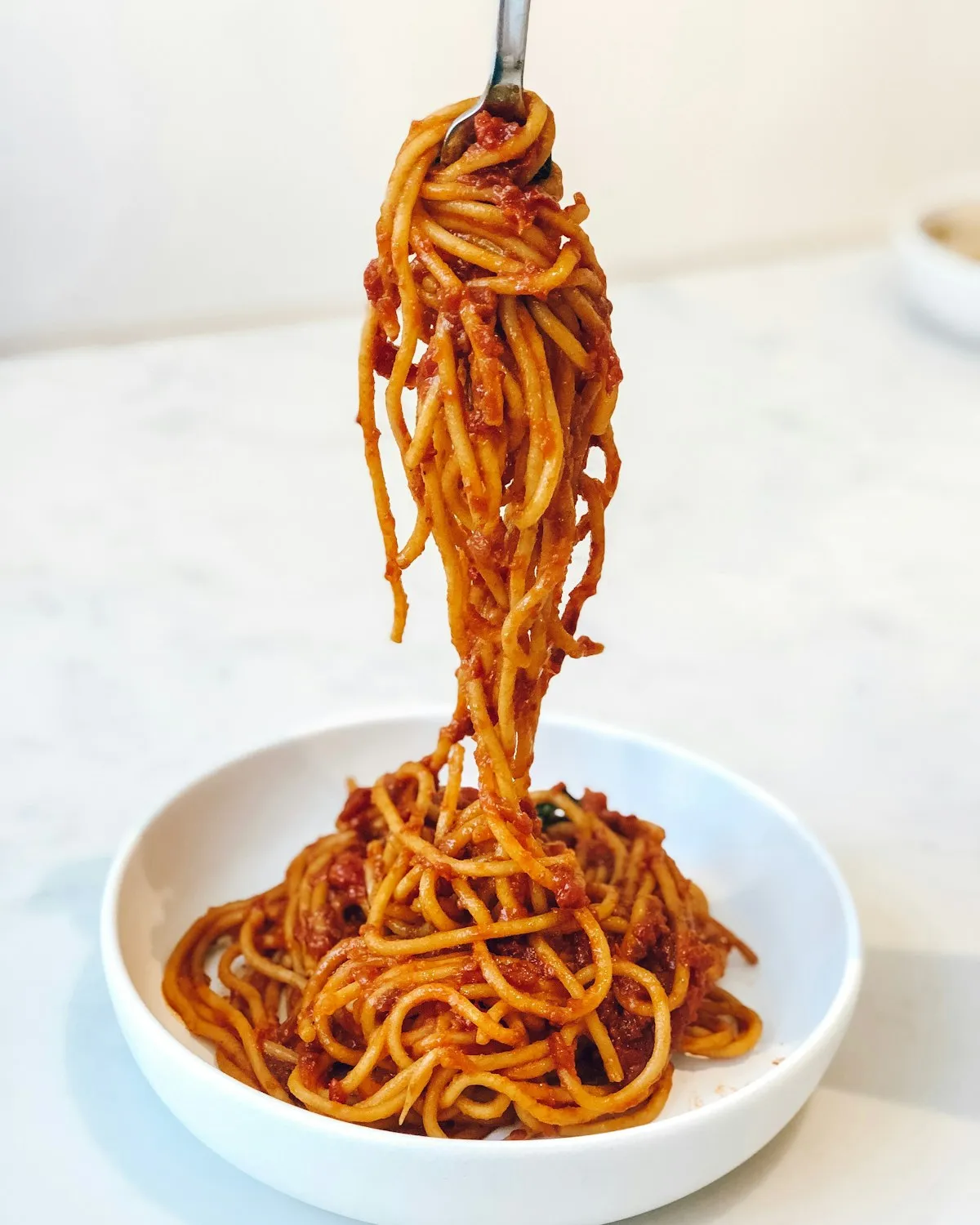
Most people think boiling pasta is a two-step process: boil water, drain water. But when you’re making quick family meals, that second step is actually a missed opportunity. When you cook everything in one pan, you aren’t just saving yourself from washing a colander; you are actually engineering a better sauce through the power of starch and emulsification.
Think of your pasta water as liquid gold. As the pasta simmers, it releases starch granules. In a traditional giant pot of water, that starch gets diluted and eventually tossed down the drain. In a one-pan method, you use a precisely measured amount of liquid so that the starch stays concentrated. This concentrated starchy liquid acts as a natural emulsifier. Ever noticed how oil and water refuse to mix? Starch is the mediator that forces them to get along. It wraps itself around the tiny droplets of olive oil and fat, suspending them in the liquid to create a glossy, creamy coating that clings to every single strand of pasta.
To make this science work for you, use a wide skillet rather than a deep pot. The increased surface area helps the water evaporate at a controlled rate, while the shallow depth ensures the pasta is always in contact with that thickening sauce. Use high-quality bronze-cut pasta if you can find it; the rougher surface area releases even more starch, giving you an even silkier result.
Avoid adding oil to the water at the beginning. You want that starch to be available to thicken the sauce, not slicked over by oil too early. Check the pan frequently and stir often. Stirring isn't just to prevent sticking; it’s a mechanical action that helps "rinse" the starch off the pasta and into the liquid, accelerating the thickening process. If the liquid looks too thin, keep simmering and stirring. If it looks like a thick paste before the pasta is soft, add a splash more hot water. It’s a balancing act, but once you see that "starchy silk" form, you’ll never want to go back to the old way.
Mastering Your One-Pan Variations
The beauty of this base is that it is a blank canvas for your fridge-clearing adventures. While the spinach and tomato version is a classic, you can easily pivot based on what you have on hand. If you’re looking for more healthy dinner ideas, consider swapping the baby spinach for chopped kale or Swiss chard. Just remember that heartier greens need an extra minute or two to soften compared to delicate spinach.
For a protein boost, toss in some pre-cooked chicken or a can of drained chickpeas. If you’re a fan of Mediterranean flavors, add a handful of kalamata olives and some capers right at the end. The acidity of the tomatoes already does a great job of cutting through the richness of the starch, but a squeeze of fresh lemon juice or a dash of balsamic glaze just before serving can take the flavor profile to the next level.
If you want a bit of heat, don't be shy with the red pepper flakes. Sauté them briefly in the oil with your garlic before adding the liquid to bloom their flavor. For a richer, almost "Alfredo-lite" vibe, stir in a spoonful of ricotta or a splash of heavy cream in the final sixty seconds of cooking. The starch in the pan will help incorporate the dairy without it breaking or curdling, resulting in a velvety finish that feels far more indulgent than it actually is. You can even apply these same principles to other grains, much like we did with our viral garlic butter ramen hack.
Perfect Side Dish Pairings
While this pasta is a complete meal on its own, the right side dish can turn a quick weeknight dinner into a full dining experience. Because the pasta is warm and rich, you want something bright and crunchy to provide a contrast. A simple arugula salad with a sharp lemon vinaigrette is my go-to. The peppery bite of the arugula and the acidity of the lemon help reset your palate between bites of the savory, starchy pasta.
If you’re craving something more substantial, use your equipment wisely. I often look for air fryer recipes dinner side kicks to save stove space. A batch of air-fried zucchini fries or crispy garlic broccoli works wonders here. The high-heat circulation of the air fryer gives you that charred, roasted texture that complements the soft, silky pasta perfectly. Plus, it keeps the mess contained while your one-pan masterpiece finishes on the hob.
Don't forget the bread! A thick slice of toasted sourdough rubbed with a raw garlic clove is the ultimate tool for swiping up every last drop of that starchy tomato sauce. If you have five extra minutes, toss some cherry tomatoes and balsamic into the air fryer for a quick "burst tomato" topping for your bread. It’s all about layering those simple, high-impact flavors.
Frequently Asked Questions
Can I use gluten-free pasta for this one-pan method?
Yes, but you have to be vigilant. Gluten-free pastas (especially those made from rice or corn) release a lot of starch: sometimes too much. They also tend to have a very narrow window between "perfectly al dente" and "total mush." Start with a little less water than the recipe calls for and stay close to the stove. Stir gently so you don't break the more fragile noodles, and test for doneness two minutes before the package says they should be ready.
Why did my sauce turn out watery instead of creamy?
This usually happens for two reasons: too much water or not enough stirring. If you find yourself at the end of the cooking time with a pool of thin liquid, turn up the heat and stir vigorously for 60 seconds. This encourages evaporation and helps the starch emulsify the remaining liquid. Next time, try using a wider pan to help the liquid reduce more effectively.
Is it possible to use frozen spinach?
Absolutely! Just be aware that frozen spinach contains a lot of excess moisture. Thaw it and squeeze it dry before adding it to the pan. If you toss it in straight from the freezer, it will release all its water into your sauce, which could throw off your liquid-to-pasta ratio and leave you with a soupy mess.
What if I don't have fresh tomatoes?
While fresh cherry tomatoes are great because they "pop" and create their own little sauce pockets, you can use canned diced tomatoes in a pinch. If you do, use the juice from the can as part of your total liquid measurement. Canned tomatoes are more acidic than fresh, so you might want to add a tiny pinch of sugar to balance the flavors.
Can I make this ahead of time?
One-pan pastas are definitely best served immediately. As the dish sits, the pasta will continue to soak up the sauce, and that beautiful emulsion will eventually tighten up and become sticky. If you do have leftovers, reheat them in a pan with a generous splash of water or broth to loosen the sauce back into its original silky state. It’s one of those quick family meals that is truly a "serve now" kind of deal for the best experience.
{“@type”:”BlogPosting”,”image”:”https://cdn.marblism.com/4wZpqZ7FY0X.webp”,”author”:{“name”:”Penny”,”@type”:”Person”},”@context”:”https://schema.org”,”headline”:”15-Minute One-Pan Pasta with Spinach and Tomatoes”,”publisher”:{“logo”:{“url”:”https://cookpedia.com/logo.png”,”@type”:”ImageObject”},”name”:”Cookpedia”,”@type”:”Organization”},”description”:”Master the art of the 15-minute one-pan pasta. Learn the science of starch emulsification to create a silky tomato and spinach sauce without the mess of multiple pots.”,”datePublished”:”2026-06-15″,”mainEntityOfPage”:{“@id”:”https://cookpedia.com/15-minute-one-pan-pasta-spinach-tomatoes”,”@type”:”WebPage”}}