Recipe
Servings
Servings 1×
Ingredients
- Chickpeas
- Pasta
- Rolled oats
- Broccoli
- Asparagus
- Spinach
- Tomatoes
- Garlic
- Lemon
- Balsamic vinegar
- Pesto
- Cream
- Hard cheese
- Butter
- Cooking oil
- Black pepper
Method
- Use a wide, shallow skillet for this technique.
- Add a splash of stock or milk to loosen it up.
- Add your greens at the very end of the process.
- Fold it in just until it begins to wilt.
- Use a wide skillet and stir only when necessary to prevent sticking.
- Use a high-quality oat milk or coconut cream in place of heavy dairy.
I’ve spent years trying to convince people that soul-satisfying cooking doesn't require a mountain of dishes or a three-hour commitment. Sometimes, the most high-impact flavors come from the simplest chemistry happening in a single pan. This one-pot spinach and gnocchi is my go-to when the clock is ticking, the hunger is real, and the energy for cleanup is nonexistent. It’s the ultimate secret weapon for your rotation of quick family meals.
Master the Starch-Fat Emulsion
The magic of this dish isn't just in the ingredients; it’s in the science of the simmer. Most people make the mistake of boiling gnocchi in a separate pot of water, draining it, and then tossing it with sauce. Stop doing that immediately. When you boil gnocchi traditionally, you’re literally pouring the best part of the meal down the kitchen sink: the starch.
By cooking the gnocchi directly in your sauce base, you harness the power of surface starch. As those little potato pillows heat up, they release starch granules that hydrate and diffuse into your cooking liquid. This creates a natural thickener that binds your fats, whether that’s heavy cream, butter, or cheese, into a stable, glossy emulsion. It’s exactly why our 10-minute Cacio e Pepe works so well. You aren't just making a sauce; you're engineering one.
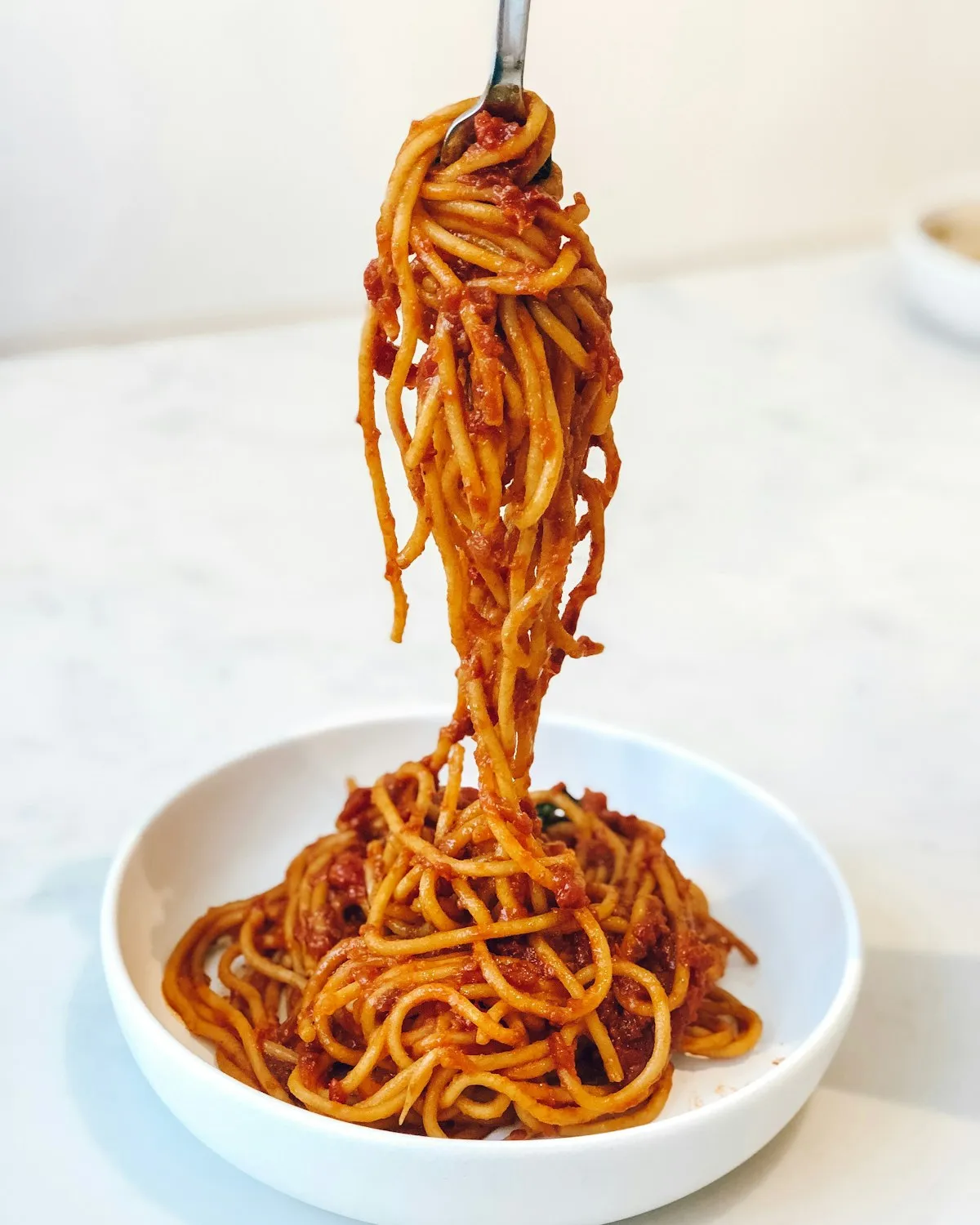
Use a wide, shallow skillet for this technique. You want the gnocchi to sit mostly in a single layer so they cook evenly and release starch consistently. If you pile them up in a deep pot, you risk ending up with a gummy, uneven mess. Maintain a gentle simmer rather than a violent boil; you want to coax the starch out, not beat the gnocchi into submission.
Check the texture about two minutes before you think they’re done. Because they aren't fully submerged in water, they might take sixty seconds longer than the package suggests, but the trade-off is a sauce that clings to every ridge. If the sauce looks too tight, don't panic. Add a splash of stock or milk to loosen it up. If it’s too thin, let it sit off the heat for three minutes. The starch will continue to set as it cools, giving you that perfect, restaurant-quality "coat the back of a spoon" consistency.
Freshness and Contrast
When it comes to the spinach, timing is everything. Add your greens at the very end of the process. Spinach is high in water and mineral notes; overcooking it results in a metallic-tasting, greyish slurry that ruins the aesthetic and the flavor. Fold it in just until it begins to wilt. This preserves the vibrant green color and provides a necessary bitter-sweet contrast to the richness of the cream and starch. This focus on "real food" and minimal processing is why this dish ranks so highly among our favorite healthy dinner ideas.
Creative Flavor Variations
While the creamy garlic and spinach combo is a classic, the one-pot method is incredibly versatile. Once you master the emulsion, you can swap profiles to suit your mood.
- The Mediterranean Twist: Instead of a cream base, use crushed tomatoes and a splash of balsamic vinegar. The acidity of the tomatoes cuts through the starchiness of the gnocchi beautifully. Finish with fresh mozzarella pearls that melt into the sauce in the final minute.
- The Pesto Power-Up: Use a mix of vegetable stock and a few tablespoons of high-quality pesto. The pine nuts and basil provide a deep, earthy fat that emulsifies perfectly with the gnocchi starch. This is a great way to keep things plant-based if you skip the parmesan.
- The Spicy Sausage Skillet: Brown some loose Italian sausage in the pan before adding your liquids. The rendered fat from the meat replaces some of the butter or oil, creating a savory, smoky depth. If you’re looking for more ways to use sausage in a hurry, check out our one-basket sausage and pepper medley.
Perfect Side Dish Pairings
Because this dish is rich and velvety, you need side dishes that provide "lift" and "crunch." Avoid anything too heavy or starchy, you already have the gnocchi for that.
A crisp arugula salad with a sharp lemon vinaigrette is my top recommendation. The peppery bite of the arugula and the acidity of the lemon act as a palate cleanser between bites of creamy pasta. Alternatively, try some quick-roasted broccolini or asparagus. The charred tips add a smoky dimension that complements the garlic in the sauce. If you’re feeling indulgent, a slice of crusty sourdough is mandatory for mopping up every last drop of that emulsion. For those nights when you want to keep the oven off, you can even look into air fryer recipes dinner options like crispy chickpeas to add a protein-packed crunch on top.
Common Gnocchi Questions
Can I use shelf-stable gnocchi?
Yes, you can, but be mindful of the moisture. Shelf-stable gnocchi are often drier than the refrigerated or frozen varieties. You may need to add an extra 1/4 cup of liquid to the pan to ensure they soften properly without the sauce evaporating entirely.
Why did my gnocchi turn out mushy?
Mushy gnocchi are usually the result of over-stirring or over-crowding the pan. Use a wide skillet and stir only when necessary to prevent sticking. If you move them too much, you break the delicate exterior of the gnocchi, leading to a "mashed potato" texture. Also, ensure you don't use too much liquid; you want to simmer them, not drown them.
Can I make this dairy-free?
Absolutely. Use a high-quality oat milk or coconut cream in place of heavy dairy. The starch from the gnocchi will still do its job of thickening the liquid. Just be sure to add a nutritional yeast or a squeeze of lemon at the end to mimic the savory depth that parmesan usually provides. It's a fantastic addition to your collection of healthy dinner ideas.
Can I use frozen spinach?
You can, but I don't recommend it for this specific 15-minute meal. Frozen spinach holds a lot of water and can turn your glossy sauce into a watery mess. If you must use it, thaw it completely and squeeze every single drop of water out of it before adding it to the pan.
How do I store leftovers?
Gnocchi is best eaten fresh. As it sits, it will continue to absorb the sauce, which means it might be a bit thicker the next day. To reheat, add a small splash of water or milk and heat it gently on the stove. Avoid the microwave if possible, as it can make the gnocchi rubbery. This is one of those quick family meals that is so fast to make, it's almost always better to cook it fresh than to rely on leftovers.
{“@type”:”BlogPosting”,”image”:”https://cdn.marblism.com/dUjcmF6vVE-.webp”,”author”:{“name”:”Penny”,”@type”:”Person”},”@context”:”https://schema.org”,”headline”:”15-Minute One Pot Spinach and Gnocchi”,”keywords”:”one pot meals, 15 minute meals, quick family meals, healthy dinner ideas”,”publisher”:{“logo”:{“url”:”https://cookpedia.com/logo.png”,”@type”:”ImageObject”},”name”:”Cookpedia”,”@type”:”Organization”},”description”:”Learn the science behind the perfect one-pot gnocchi. Master the starch-fat emulsion for a glossy, restaurant-quality sauce in just 15 minutes.”,”datePublished”:”2026-06-15″,”mainEntityOfPage”:{“@id”:”https://cookpedia.com/15-minute-one-pot-spinach-gnocchi”,”@type”:”WebPage”}}