Recipe
Servings
Servings 1×
Ingredients
- Shrimp
- Tofu
- Rice
- Cauliflower
- Peas
- Cucumber
- Lemon
- Lime
- Coconut milk
- Cooking oil
- Sesame
- Curry spices
- Black pepper
Method
- Prepare the ingredients described in the article and heat the cooking surface or oven as directed.
- Cook the main ingredients using the heat and timing guidance in the article.
- Finish with the seasonings and garnishes named in the article, then serve.
If you are looking for a meal that transports your kitchen straight to a tropical beach without leaving you with a mountain of dishes, you have found it. My One-Pot Coconut Lime Shrimp is the ultimate solution for those chaotic Tuesday nights when you want something sophisticated but only have twenty minutes to spare. It is creamy, zesty, and incredibly satisfying. This is one of those quick family meals that proves you do not need a culinary degree to produce restaurant-quality flavors at home. Let’s get into the mechanics of how to make this dish truly shine.
The Science of the Perfect Simmer
Creating a silky coconut sauce is not just about dumping a can into a pan; it is about managing an emulsion. Coconut milk is essentially an oil-in-water emulsion. If you subject it to aggressive, rolling boils or introduce too much acid too early, it will "break," leaving you with a grainy, oily mess. To keep your sauce glossy and smooth, always use full-fat coconut milk. The higher fat content provides more natural emulsifiers that can withstand heat better than "lite" versions.
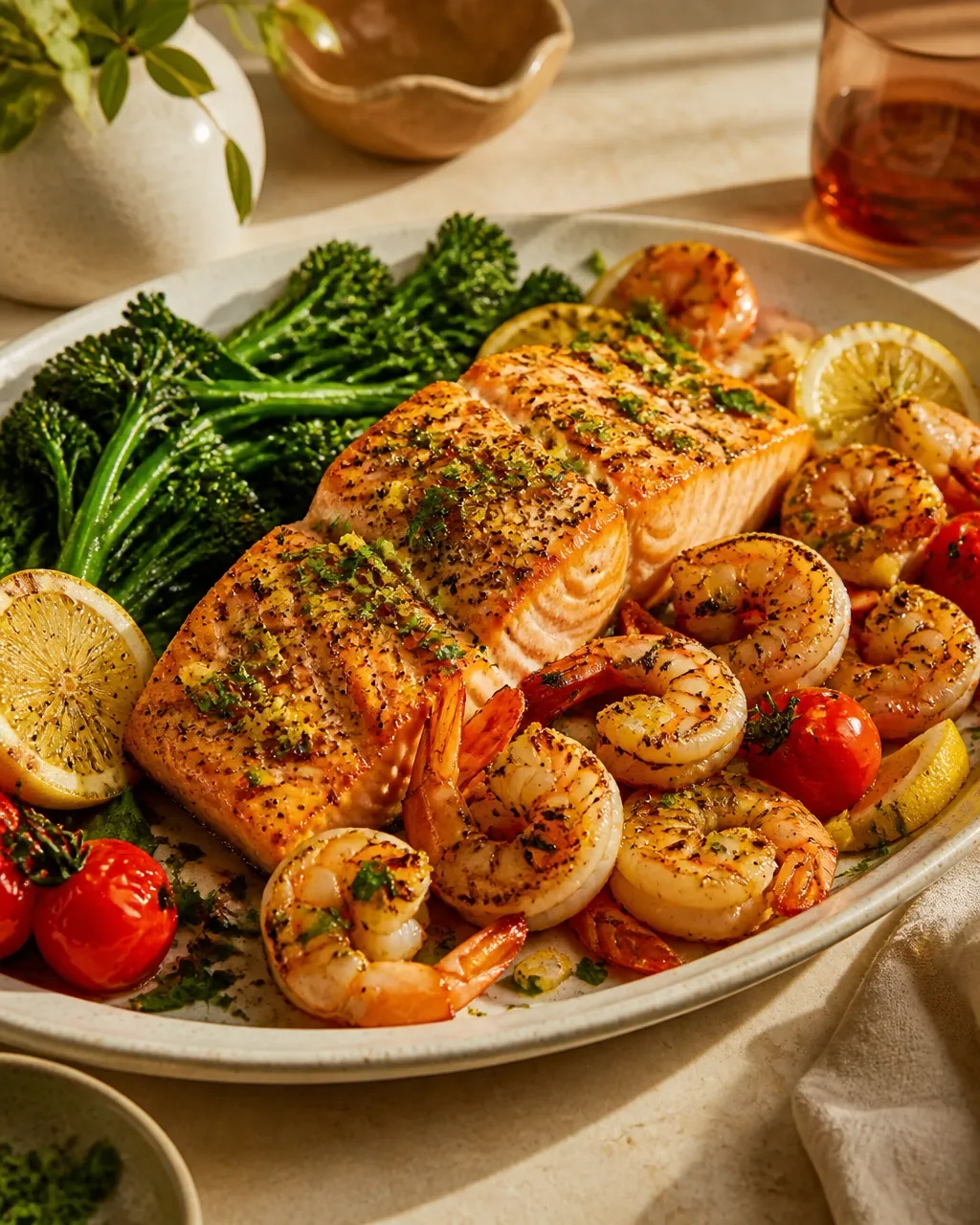
Before the shrimp even touch the pan, you must ensure they are bone-dry. Use a paper towel to pat them down thoroughly. This is non-negotiable. If the shrimp are wet, they will steam instead of sear. Searing triggers the Maillard reaction: the chemical process between amino acids and reducing sugars that gives browned food its distinctive flavor. You want that golden crust because it adds a depth of umami that raw, steamed shrimp simply lack.
Watch the shape of your shrimp carefully. A perfectly cooked shrimp forms a "C" shape. If it tightens into a closed "O," the proteins have contracted too much, squeezing out the moisture and leaving you with a rubbery texture. Pull them out of the pan slightly before you think they are done; the residual heat in the sauce will finish the job gently. This technique is a staple for healthy dinner ideas where maintaining the integrity of high-quality protein is key. For more on managing pan sauces, check out my guide on achieving the perfect glossy sauce.
Bold Variations for Every Palate
While the classic coconut and lime pairing is hard to beat, you can easily pivot this recipe to suit your mood. If you are craving a bit of heat, introduce a spoonful of red curry paste or a few sliced Thai bird’s eye chilies into the aromatics. The capsaicin in the peppers is fat-soluble, meaning the coconut milk will carry that heat evenly throughout the dish rather than hitting you with a sharp, localized sting.
For those who love a bit of crunch, consider using your air fryer. While this is a one-pot pan recipe, you can toss some coconut-crusted shrimp into the basket for a few minutes to create a crispy topping. It’s a great way to explore air fryer recipes dinner enthusiasts often overlook. Alternatively, swap the shrimp for scallops or even firm cubes of tofu. If you go the tofu route, press it well to ensure it absorbs the coconut emulsion properly.
You can also experiment with the aromatics. Lemongrass and galangal will lean the dish further toward a traditional Thai Tom Kha profile, while a splash of fish sauce adds a salty, fermented complexity that balances the natural sweetness of the coconut. If you prefer a more Mediterranean vibe, swap the lime for lemon and add plenty of fresh dill and cracked black pepper at the very end.
Pairing for Balance and Brightness
The richness of coconut milk demands a side dish that can provide contrast. Acid and texture are your best friends here. A simple bed of fluffy jasmine rice is the traditional choice because the grains act like a sponge for the sauce, but do not stop there. Consider a crisp cucumber salad dressed with rice vinegar and sesame oil. The cool, watery crunch of the cucumber cuts through the heavy fats of the coconut milk beautifully.
If you want to keep things low-carb, cauliflower rice is an excellent alternative. Sauté it briefly in the same pan after removing the shrimp to pick up any remaining brown bits. For those who enjoy a bit of a "cheat code" for dinner, you might even pair this with some quick-roasted vegetables. I’ve found that the air fryer is perfect for this: check out my kielbasa and pierogi air fryer roast for inspiration on how to get high-heat roasted results in half the time. A side of charred snap peas or bok choy will add the necessary bitterness to round out the meal.
FAQ: Troubleshooting Your One-Pot Masterpiece
Why did my coconut sauce curdle?
This usually happens because of "thermal shock" or excessive acidity. If you boiled the sauce too hard or added the lime juice while the pan was over high heat, the proteins in the coconut milk can clump together. To fix this, remove the pan from the heat and whisk in a tablespoon of cold water or coconut milk. Next time, add your lime juice at the very end, off the heat.
Can I use "Lite" coconut milk?
You can, but I wouldn't recommend it. "Lite" coconut milk is essentially full-fat milk diluted with water. It lacks the viscosity needed for a rich sauce and is much more likely to break. If you are looking for healthy dinner ideas, remember that the fats in coconut are satiating; you are better off using the real stuff and serving a slightly smaller portion.
My shrimp are tough. What happened?
You overcooked them. Shrimp only need about 2 minutes per side. Remember the "C" rule: "C" is for cooked, "O" is for overcooked. Always pull them out of the pan once they turn opaque and pink.
How do I make the lime flavor more intense without making it too sour?
Use the zest! The essential oils in the lime peel contain the "perfume" and flavor of the lime without the citric acid that makes things sour. Grate the zest directly into the pan while the aromatics are sautéing to infuse the fat with flavor.
Can I make this ahead of time?
Shrimp are best eaten immediately. If you reheat them, they will almost certainly become rubbery. However, you can make the coconut lime base ahead of time and simply sear the shrimp and combine them when you are ready to serve. This is a great hack for quick family meals during a busy work week.
{“@type”:”BlogPosting”,”image”:[“https://cdn.marblism.com/UdtvD7A-fZx.webp”,”https://cdn.marblism.com/t1hirAKCmQT.webp”,”https://cdn.marblism.com/qliUcTTzfzo.webp”,”https://cdn.marblism.com/rzuYmoY_Xxm.webp”,”https://cdn.marblism.com/Iw6JsG5tU6w.webp”],”author”:{“name”:”Penny”,”@type”:”Person”},”@context”:”https://schema.org”,”headline”:”One-Pot Coconut Lime Shrimp”,”publisher”:{“logo”:{“url”:”https://cdn.marblism.com/KxroJ1kM_KA.webp”,”@type”:”ImageObject”},”name”:”Cookpedia”,”@type”:”Organization”},”description”:”Learn the science behind the perfect One-Pot Coconut Lime Shrimp. A quick, healthy dinner idea featuring expert tips on coconut emulsions and perfectly cooked shrimp.”,”datePublished”:”2026-05-28″,”mainEntityOfPage”:{“@id”:”https://cookpedia.com/one-pot-coconut-lime-shrimp”,”@type”:”WebPage”}}