Recipe
Servings
Servings 1×
Ingredients
- Salmon
- Steak
- Pasta
- Rice
- Potatoes
- Cauliflower
- Broccoli
- Asparagus
- Avocado
- Garlic
- Lemon
- Lime
- Mustard
- Butter
Method
- Prepare the ingredients described in the article and heat the cooking surface or oven as directed.
- Cook the main ingredients using the heat and timing guidance in the article.
- Finish with the seasonings and garnishes named in the article, then serve.
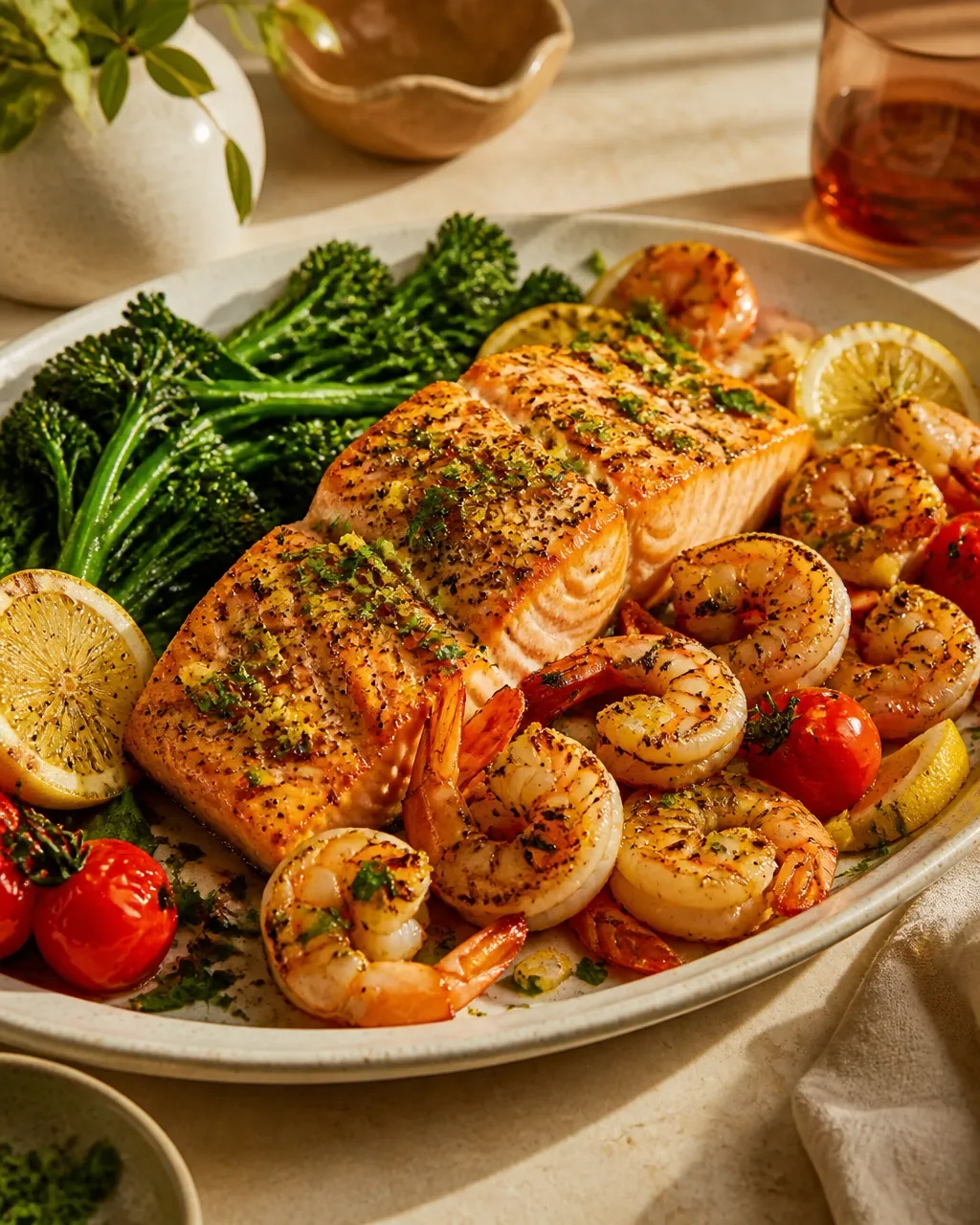
You’ve had one of those days where the clock seems to be sprinting while you’re stuck in quicksand. You want something that tastes like a five-star bistro but fits into the chaos of a Tuesday night. Enter the 15-minute lemon herb salmon. It is the ultimate "emergency" gourmet meal that proves you don’t need an hour and a degree from Le Cordon Bleu to eat well. This dish is about high-impact flavors, bright citrus, earthy herbs, and buttery fat, coming together in less time than it takes to scroll through your social feed.
The Science of the Sear: Why Heat and Acid Matter
Cooking salmon is less about following a timer and more about understanding protein denaturation. Salmon is packed with delicate connective tissue and healthy fats that react quickly to heat. When you subject the fish to high heat, you’re looking for the Maillard reaction, that glorious chemical dance between amino acids and reducing sugars that creates a savory, browned crust. If you’re pan-searing, start with a screaming-hot pan to lock in those juices and create a flavor profile that baking simply can’t replicate.
The Magic of Carryover Cooking
One of the biggest mistakes home cooks make is leaving the fish in the pan until it’s "done." Treat your salmon like a steak. Because of thermal mass, the internal temperature of the fish will continue to rise by 5 to 10 degrees after you remove it from the heat source. Pull your fillets when they hit about 130°F (54°C) for a medium-rare to medium finish. By the time it hits your plate, it will have coasted into the perfect, buttery 140°F zone. If you wait until it’s 145°F in the pan, you’re serving salmon jerky.
Acidity and Flavor Brightness
Lemon isn’t just a garnish; it’s a chemical tool. The citric acid in lemon juice helps to "cut" through the richness of the salmon’s natural fats, balancing the palate so every bite feels light rather than heavy. When you combine this with volatile aromatics from fresh herbs, like the carvone in dill or the apiol in parsley, you create a complex flavor bridge. Use fresh herbs whenever possible, as their essential oils are far more potent and "green" than their dried counterparts, which can often taste dusty or muted.
Flavor Variations: Tailoring Your Fillet
While lemon and parsley are the classic duo, you can easily pivot this dish to suit your mood. If you want a Mediterranean vibe, swap the parsley for oregano and add a touch of dried sumac for an extra hit of astringency. For something with a bit more depth, whisk a teaspoon of Dijon mustard into your lemon-herb mixture. The mustard acts as an emulsifier, helping the fat and acid bind together into a glossy glaze that clings to the fish.
If you are looking for quick family meals that don't involve a messy stovetop, you can actually adapt this technique for the air fryer. The high-velocity hot air mimics a convection oven, giving you a crisp exterior without the need for constant monitoring. It’s one of those air fryer recipes dinner enthusiasts swear by because it’s virtually foolproof. Just remember to check the thickness of your fillets; a thin tail piece will cook much faster than a center-cut loin.
For those focusing on healthy dinner ideas, try a "clean" variation by using lime and cilantro. This shifts the profile toward a zestier, more tropical finish that pairs beautifully with a side of cauliflower rice or a simple avocado salad. Regardless of the herb you choose, the non-negotiable rule remains: always pat the salmon dry with a paper towel before it hits the heat. Moisture is the enemy of a good sear. If the surface is wet, the fish will steam instead of brown, and you’ll miss out on that critical flavor development.
Perfect Side Dish Pairings: Balancing the Plate
A rich, fatty fish like salmon demands sides that offer contrast. Think about texture and acidity. A crisp, acidic slaw with a vinaigrette-based dressing provides a crunch that offsets the tender flakes of the fish. If you’re leaning into comfort, roasted baby potatoes with a hint of rosemary can soak up any leftover lemon-butter sauce on the plate.
For a lighter touch, steamed asparagus or sautéed broccolini with a heavy hand of garlic works wonders. The bitterness of the greens complements the sweetness of the salmon. If you’re already using your air fryer for other air fryer recipes dinner, you can toss in some seasoned bell peppers alongside the fish for a complete one-basket meal. Check out our guide on achieving the perfect glossy sauce if you’re looking to elevate your side-dish pasta game to match your salmon.
Frequently Asked Questions
Why does my salmon have white stuff on it after cooking?
That white substance is called albumin. It’s a protein that exists in liquid form inside the raw fish. As the muscle fibers contract during cooking, they squeeze the albumin out to the surface, where it coagulates and turns white. While it’s perfectly safe to eat, it’s usually a sign that the fish was cooked too fast or at too high a temperature. To minimize this, try a lower heat or brine your salmon in a simple salt-water solution for 10 minutes before cooking.
Should I leave the skin on or take it off?
Keep it on! Even if you don’t plan on eating the skin, it acts as a protective barrier between the delicate flesh and the heat. This helps prevent the salmon from overcooking and drying out. Plus, if you sear it correctly, the skin becomes incredibly crispy and flavorful, it’s essentially the "bacon" of the sea. Always start your salmon skin-side down to give it the most time to render its fat and crisp up.
Can I use frozen salmon for this 15-minute meal?
Yes, but with a caveat. You must thaw it completely first. Cooking salmon from frozen will result in an unevenly cooked piece of fish: the outside will be tough and overdone by the time the center is safe to eat. For the best results in quick family meals, thaw your fillets in the fridge overnight. If you’re in a rush, place the vacuum-sealed fillets in a bowl of cold water for about 20–30 minutes.
How do I know for sure if it’s done without a thermometer?
Use the "flake test." Take a fork or a knife and gently press down on the thickest part of the fillet. If the flakes separate easily along the white lines of fat (the intermuscular septa), it’s ready. The center should still look slightly translucent and "moist" rather than dry and opaque. If it looks like chalk, you’ve gone too far.
Is this recipe suitable for a keto diet?
Absolutely. Salmon is naturally high in healthy fats and protein with zero carbs. By using olive oil or butter and fresh herbs, you’re keeping it firmly in the keto-friendly category. It’s one of the best healthy dinner ideas for anyone looking to stay in ketosis without sacrificing flavor. For more high-fat, low-carb inspiration, check out our kielbasa air fryer roast.
{“@type”:”BlogPosting”,”image”:”https://api.gandalf.run/render/3180f14a-7140-424a-874e-5e43c5b5250c.png”,”author”:{“name”:”Penny”,”@type”:”Person”},”@context”:”https://schema.org”,”headline”:”15-Minute Lemon Herb Salmon”,”keywords”:”air fryer recipes dinner, quick family meals, healthy dinner ideas, lemon herb salmon”,”publisher”:{“logo”:{“url”:”https://cdn.marblism.com/r31hCYxu5lk.webp”,”@type”:”ImageObject”},”name”:”Cookpedia”,”@type”:”Organization”},”description”:”Learn the science behind the perfect 15-minute lemon herb salmon. Master the Maillard reaction, carryover cooking, and flavor balancing for a quick, healthy dinner.”,”datePublished”:”2026-05-28″,”mainEntityOfPage”:{“@id”:”https://cookpedia.com/15-minute-lemon-herb-salmon”,”@type”:”WebPage”}}