Recipe
Servings
Servings 1×
Ingredients
- Chickpeas
- Penne
- Pasta
- Noodles
- Rice
- Spinach
- Peas
- Corn
- Tomatoes
- Lemon
- Cream
- Hard cheese
- Feta
- Cooking oil
Method
- Prepare the ingredients described in the article and heat the cooking surface or oven as directed.
- Cook the main ingredients using the heat and timing guidance in the article.
- Finish with the seasonings and garnishes named in the article, then serve.
There is a specific kind of magic that happens when you realize you don't need a sink full of dishes to eat like you’re sitting on a terrace in Santorini. You’re busy, I’m busy, and the last thing any of us needs is a complex culinary project on a Tuesday night. That is why one pot meals are the ultimate bridge between "I’m too tired to cook" and "I want something that feeds my soul." This Mediterranean penne is all about high-impact flavor with zero-impact cleanup. It is fresh, bright, and genuinely ready in 15 minutes.
The Alchemy of Starch and Emulsion
The secret to a world-class pasta sauce isn't always a long-simmered ragu; sometimes, it is just pure physics. When you cook pasta in a massive vat of water and then dump that water down the drain, you are literally throwing away the liquid gold that makes sauces cling to noodles. In this one-pot method, we use exactly enough liquid for the pasta to absorb.
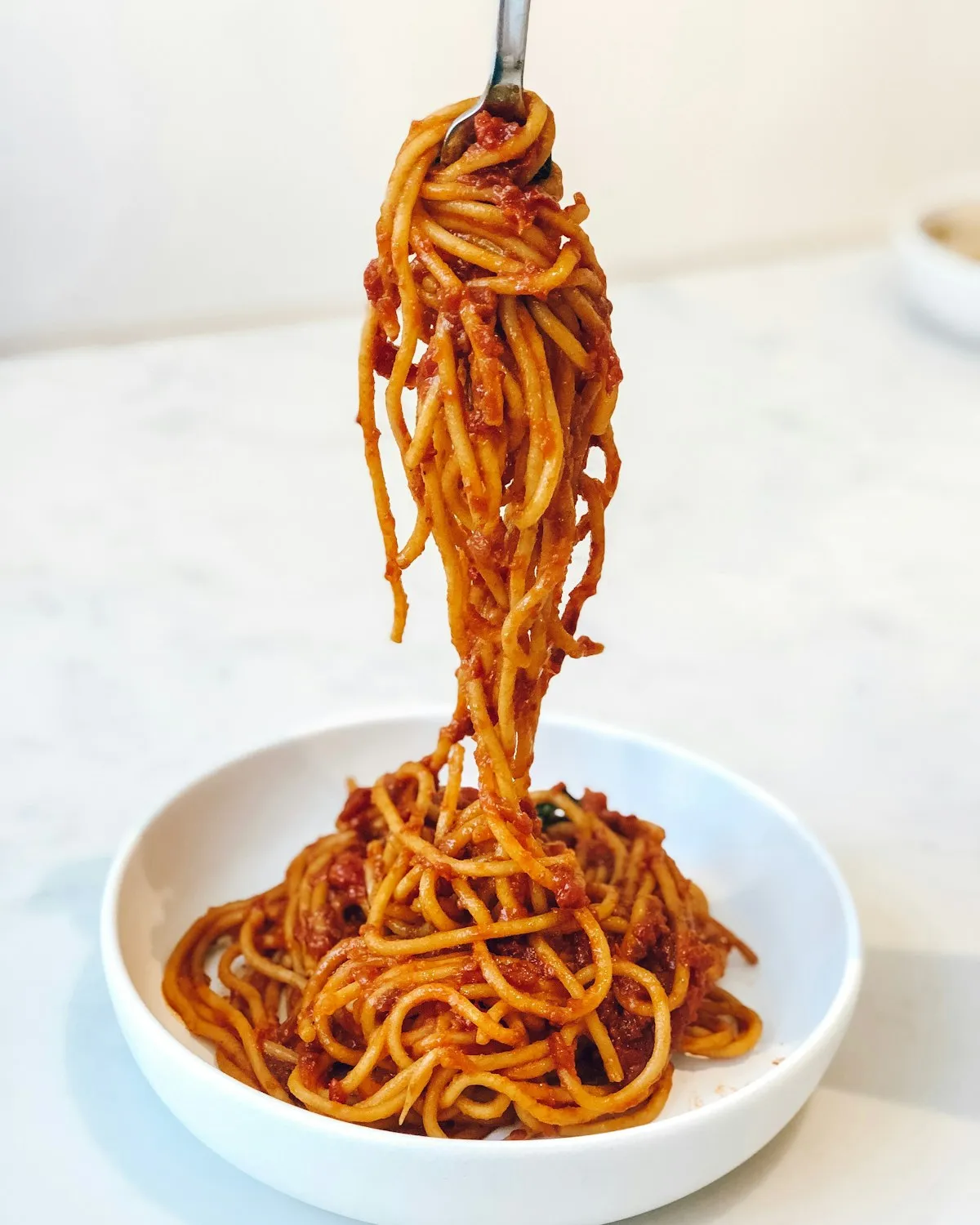
As the penne bubbles away, it releases its surface starch directly into the small amount of broth. This creates a high-viscosity liquid that acts as a natural thickener. When you stir in your olive oil and feta at the end, that starch helps the fat emulsify into the liquid. Instead of a watery pool at the bottom of your bowl, you get a glossy, creamy coating that blankets every ridge of the penne. If you've ever struggled with sauces that won't stick, this technique is your solution. Check my guide on achieving the perfect glossy sauce for more on this science.
Heat Management and Liquid Ratios
Use a wide, shallow skillet rather than a deep, narrow pot. This increases the surface area, allowing for even evaporation and consistent cooking. Watch the simmer carefully. You want a steady bubble, not a violent boil. A violent boil will break the pasta apart before the center is tender, while a weak simmer will result in gummy, over-hydrated noodles.
Maintain a "ratio watch" throughout the process. If the liquid is disappearing too fast but the pasta still has a chalky bite, add a splash of hot water. Never add cold water; it shocks the starch and halts the gelatinization process. Stir frequently. This isn't just to prevent sticking, the physical agitation of the pasta helps rub more starch off the surface and into your sauce, enhancing that silkiness we are chasing. For more healthy dinner ideas that maximize efficiency, mastering this water-to-starch balance is essential.
Soulful Variations for Every Table
While the classic Mediterranean profile of tomatoes, olives, and feta is hard to beat, this method is a canvas for whatever is in your pantry. If you are looking for quick family meals that please everyone, try swapping the feta for a scoop of creamy ricotta at the end for a milder, more decadent finish.
For a plant-based version that packs a punch, omit the cheese and stir in a can of rinsed chickpeas during the last five minutes of cooking. The chickpeas absorb the savory broth and add a nutty texture that pairs beautifully with the acidity of the tomatoes. If you want to lean into the "soulful" side of things, finish the dish with a handful of toasted pine nuts and a massive rain of fresh lemon zest. The zest provides a bright, aromatic lift that cuts through the richness of the olive oil, waking up every other flavor in the pot.
The Art of the Side Dish
Because this pasta is rich with healthy fats and starch, you want a side dish that provides a sharp, crisp contrast. Avoid heavy breads or starchy sides. Instead, lean into the acidity of a fresh arugula salad.
A simple bed of greens tossed with a whisper of lemon juice and some shaved parmesan is all you need. The bitterness of the arugula acts as a palate cleanser between bites of the savory, salty pasta. If you’re feeling adventurous and want to branch out from the stovetop, you can find other quick family meals by pairing your pasta with something from the air fryer. I often suggest checking out an air fryer sausage medley if you need a protein side that doesn't require extra attention.
One-Pot FAQ: Science and Troubleshooting
Why did my pasta turn out gummy?
Gummy pasta is usually the result of one of two things: too much water or not enough heat. If the pasta sits in lukewarm water for too long, the starches swell and burst into a paste rather than forming a clean emulsion. Ensure your liquid is at a proper simmer before the timer starts.
Can I use gluten-free pasta for this?
You can, but be cautious. Gluten-free pastas (especially those made from rice or corn) release different types of starch and can disintegrate more easily. Reduce the stirring frequency slightly and check for doneness two minutes earlier than the package suggests.
What if the sauce is too thin at the end?
Do not panic. If you have too much liquid left when the pasta is al dente, remove the lid and increase the heat for 60 seconds while stirring vigorously. The agitation combined with rapid evaporation will tighten the sauce almost instantly.
Is this a good option for meal prep?
One-pot pastas are best served immediately because the starch continues to absorb liquid as it sits. If you do have leftovers, add a splash of water or broth before reheating to loosen the sauce back up. For other healthy dinner ideas that keep better in the fridge, you might prefer something like my air fryer pierogi roast.
Why add the feta at the very end?
Feta doesn't "melt" like mozzarella; it softens and then eventually breaks down. By folding it in off the heat, you keep some of those beautiful salty chunks intact while the rest creates a creamy "feta cream" with the pasta water.
Can I use frozen vegetables?
Yes, but keep in mind they release water as they thaw. If you add frozen spinach or peas, reduce your initial liquid by about two tablespoons to compensate for the extra moisture they will contribute to the pot.
{“@type”:”BlogPosting”,”image”:”https://cdn.marblism.com/mOHW53w0p4X.webp”,”author”:{“name”:”Penny”,”@type”:”Person”},”@context”:”https://schema.org”,”headline”:”One-Pot Bliss: 15-Minute Mediterranean Penne”,”publisher”:{“logo”:{“url”:”https://cookpedia.com/logo.png”,”@type”:”ImageObject”},”name”:”Cookpedia”,”@type”:”Organization”},”description”:”Discover the science and simplicity of one-pot Mediterranean penne. A soulful, 15-minute dinner perfect for busy weeknights.”,”datePublished”:”2026-06-06″,”mainEntityOfPage”:{“@id”:”https://cookpedia.com/one-pot-bliss-mediterranean-penne”,”@type”:”WebPage”}}
{“@type”:”FAQPage”,”@context”:”https://schema.org”,”mainEntity”:[{“name”:”Why did my pasta turn out gummy?”,”@type”:”Question”,”acceptedAnswer”:{“text”:”Gummy pasta usually results from too much water or a low cooking temperature. Ensure the liquid is at a steady simmer to allow the starches to gelatinize correctly without turning into a paste.”,”@type”:”Answer”}},{“name”:”Can I use gluten-free pasta for this one pot meal?”,”@type”:”Question”,”acceptedAnswer”:{“text”:”Yes, but monitor it closely as GF pasta can disintegrate faster. Stir less frequently and check for doneness early.”,”@type”:”Answer”}},{“name”:”What if the sauce is too thin at the end?”,”@type”:”Question”,”acceptedAnswer”:{“text”:”Remove the lid and increase the heat while stirring vigorously. The starch agitation and evaporation will quickly thicken the sauce.”,”@type”:”Answer”}}]}