Recipe
Servings
Servings 1×
Ingredients
- Salmon
- Cod
- Tofu
- Quinoa
- Potatoes
- Cauliflower
- Asparagus
- Garlic
- Lemon
- Balsamic vinegar
- Honey
- Butter
- Cooking oil
- Sesame
- Chili seasoning
Method
- Prepare the ingredients described in the article and heat the cooking surface or oven as directed.
- Cook the main ingredients using the heat and timing guidance in the article.
- Finish with the seasonings and garnishes named in the article, then serve.
There is a specific kind of magic that happens when you realize dinner doesn't have to be a multi-pan production that leaves your kitchen looking like a crime scene. I’m a firm believer that the most soulful meals are the ones that let you actually sit down and enjoy them, rather than spending your entire evening scrubbing burnt bits off a stove. This one-pan salmon and asparagus is my ultimate secret weapon for those nights when you want something elegant but have exactly zero patience for complexity. It is the gold standard for easy dinner recipes, combining high-quality fats with bright, punchy citrus in a way that feels intentional and nourishing.
The Science of the Perfect Roast
Getting salmon right isn't about luck; it’s about understanding protein denaturation and the physics of your oven. Most home cooks overcook salmon because they wait for it to look "done" in the center while it's still in the heat. By the time it looks firm on the pan, it’s already heading toward dry and chalky territory. To master this, you need to lean into the concept of carryover cooking.
When you pull your pan out of a 425°F oven, the internal temperature of that salmon fillet is still climbing. Use a thermometer: this is the non-negotiable rule of my kitchen. Aim to pull the salmon when it hits 120°F to 125°F in the thickest part. As it rests on the counter for five minutes, the residual heat from the outer layers will push that core temperature up to a perfect, silky 130°F. If you wait until it hits 145°F in the oven, you’re basically eating expensive canned tuna.
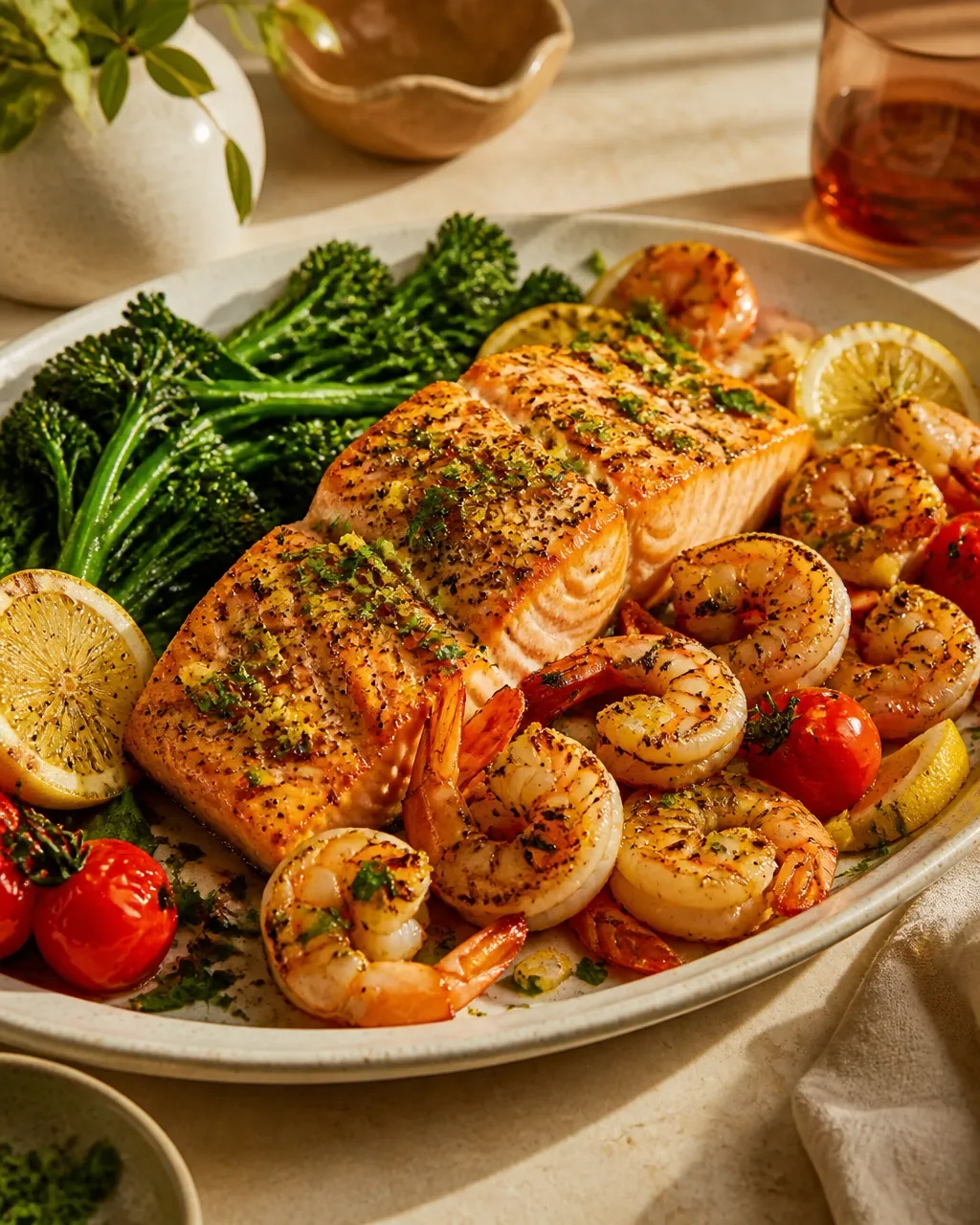
Then there’s the "white stuff": technically known as albumin. It’s a protein that’s liquid when raw but solidifies as it cooks. If you see huge clumps of it oozing out of your salmon, it’s a scientific distress signal that you’ve cooked it too fast or too high. To minimize this, pat your salmon bone-dry before it touches the pan. Moisture on the surface creates steam, which interferes with the Maillard reaction (that beautiful browning we want) and causes the proteins to contract too quickly, squeezing out the albumin.
Asparagus requires a different strategy. These green spears are mostly water and pectin. To keep them "tender-crisp" rather than "soggy-limp," you must avoid crowding the pan. If the spears are piled on top of each other, they’ll steam in their own released moisture. Lay them out in a single layer, ensuring every inch is coated in a thin film of oil. This oil acts as a heat conductor, helping the oven’s energy transfer evenly into the vegetable and giving you those slightly charred, nutty tips that make healthy dinner ideas actually worth eating.
Flavor Variations and the "Swicy" Hack
While lemon and garlic are the classic duo, you can easily shift the soul of this dish with a few minor tweaks. One of my favorite moves for quick family meals is to introduce a bit of "swicy" (sweet and spicy) energy. Instead of just garlic and lemon, try whisking a teaspoon of honey with a bit of gochujang or red chili flakes. The sugars in the honey will caramelize under the high heat, creating a glossy, deeply flavored crust that balances the rich, oily nature of the salmon.
If you’re looking to swap the protein, white fish like cod or halibut works beautifully here, though they are leaner and cook even faster than salmon. You’ll want to check their temperature even earlier. For a plant-based pivot, thick slabs of cauliflower or firm tofu can take the place of the fish, though I’d recommend checking out my guide on air fryer sesame tofu for more inspiration on getting that perfect crunch without the meat.
Balancing the Plate: Side Dish Pairings
The beauty of a one-pan meal is that it’s often a complete thought on its own, but sometimes you need a little something extra to round out the experience. Because salmon is a high-fat fish, your sides should focus on acidity or light, airy textures to cut through that richness.
A simple arugula salad is my go-to. The peppery bite of the greens and a sharp balsamic vinaigrette act as a palate cleanser between bites of the buttery salmon. If you’re craving something more substantial, a small bowl of quinoa or a piece of crusty sourdough is perfect for soaking up the lemon-garlic infused oils left on the pan. For those who love their kitchen gadgets, you can even whip up some air fryer potatoes on the side to add a satisfying crunch to your quick family meals.
Troubleshooting Your One-Pan Dinner (FAQ)
What if my asparagus is done before the salmon?
This usually happens if your asparagus spears are very thin. Science dictates that smaller mass heats up faster. If you’re using "pencil" asparagus, wait to add it to the pan until the salmon has already been in the oven for about 5 minutes. If you’ve already put them in together and notice the tips are charring too fast, simply use tongs to pull the asparagus off the pan and onto a plate, then slide the salmon back in to finish.
Can I use frozen salmon for this?
You can, but you must thaw it completely and pat it dry with a vengeance. Frozen fish often releases more water as it thaws, which can lead to a "boiled" texture if you aren't careful. If you’re in a rush and need air fryer recipes dinner solutions, the air fryer is actually much more forgiving for "cooked from frozen" scenarios than a traditional oven.
Why is my garlic burning while the fish is still raw?
Garlic has a high sugar content and a very small surface area when minced, making it prone to burning at the 425°F temperatures needed for salmon. To avoid this, mix your minced garlic into a bit of olive oil or melted butter before spreading it over the fish. The fat acts as a thermal buffer, slowing down the browning of the garlic so it infuses the fish without turning bitter and black.
My salmon skin is soggy, how do I fix it?
If you want crispy skin in a one-pan roast, you must start with the pan. Preheat your sheet pan in the oven while it's heating up. When you lay the salmon down (skin-side first), you should hear a sizzle. That initial contact with the hot metal starts the rendering of the fat in the skin immediately, giving you a much better chance at a crisp finish.
How do I know if the lemon is too much?
Acidity is meant to brighten, not overwhelm. Use thin slices of lemon on the salmon during the roast for a mellowed, jammy citrus flavor. Then, keep a fresh lemon wedge on the side. Squeeze that fresh juice over the asparagus right before you eat. The heat of the oven can dull the "high notes" of fresh lemon juice, so a final raw squeeze is the secret to making healthy dinner ideas taste restaurant-quality.
{“@type”:”BlogPosting”,”image”:”https://cdn.marblism.com/qkky69TgLNI.webp”,”author”:{“name”:”Penny”,”@type”:”Person”},”@context”:”https://schema.org”,”headline”:”One-Pan Lemon Garlic Salmon & Asparagus”,”publisher”:{“logo”:{“url”:”https://cookpedia.com/logo.png”,”@type”:”ImageObject”},”name”:”Cookpedia”,”@type”:”Organization”},”description”:”Master the art of the one-pan dinner with this soulful lemon garlic salmon and asparagus. Learn the science of carryover cooking and how to achieve the perfect tender-crisp texture every time.”,”datePublished”:”2026-06-08″,”mainEntityOfPage”:{“@id”:”https://cookpedia.com/one-pan-lemon-garlic-salmon-asparagus”,”@type”:”WebPage”}}