Recipe
Servings
Servings 1×
Ingredients
- Chicken
- Pork
- Tofu
- Quinoa
- Potatoes
- Asparagus
- Carrots
- Tomatoes
- Onion
- Lemon
- Balsamic vinegar
- Honey
- Black pepper
Method
- Let’s be honest: by the time Wednesday rolls around, your kitchen energy is usually running on fumes.
- Give your chicken and vegetables breathing room.
- Use a large, heavy-rimmed baking sheet.
- Let’s talk about the balsamic.
- Start your harder vegetables first.
Let’s be honest: by the time Wednesday rolls around, your kitchen energy is usually running on fumes. You want something that tastes like a weekend celebration but requires the cleanup effort of a bowl of cereal. That’s where the magic of the sheet pan comes in. This isn’t just about convenience; it’s about the soulful intersection of high-heat roasting and the complex, syrupy depth of balsamic vinegar. It is one of those essential healthy dinner ideas that proves you don’t need a culinary degree to master high-impact flavors.
The Chemistry of the Perfect Roast
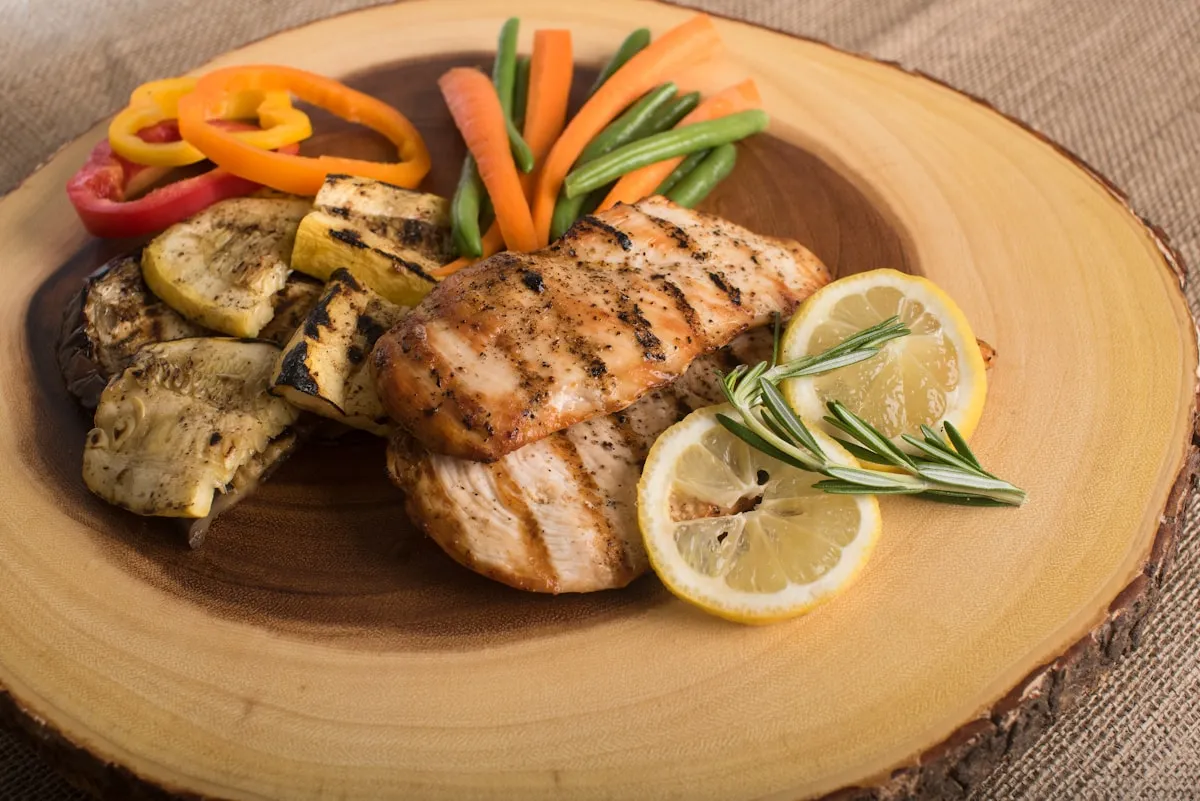
To move from "boiled-tasting" chicken to a restaurant-quality roast, you have to respect the science of the Maillard reaction. This is the chemical dance between amino acids and reducing sugars that occurs when food hits roughly 285°F. In a one-pan setup, your biggest enemy is moisture. If you crowd your pan, you aren't roasting; you're steaming. Give your chicken and vegetables breathing room. If they are touching, the water evaporating from one piece will condense on the other, leaving you with pale, rubbery results.
Use a large, heavy-rimmed baking sheet. If you have to ask yourself if the pan is too full, it probably is. Split the meal across two pans if necessary. You want the dry heat of the oven to hit every surface of the food. This allows the water to flash off quickly, concentrating the natural sugars in your vegetables and the proteins in the chicken.
Let’s talk about the balsamic. Balsamic vinegar is a powerhouse because it contains both acid and natural grape sugars. When subjected to heat, the water content evaporates, leaving behind a thick, complex syrup. However, do not coat your chicken in a heavy glaze from the start. High sugar content burns quickly. Instead, toss your components in a thin, oil-based marinade first. This creates a foundation of flavor without the risk of scorching. Reserve the thick, syrupy reduction for the final five minutes of roasting or as a finishing drizzle. This ensures you get that perfect glossy sauce texture without a bitter, burnt aftertaste.
Finally, remember that not all ingredients cook at the same speed. A carrot is a marathon runner; a chicken breast is a sprinter. To keep your chicken juicy while ensuring your root vegetables are tender, you must stagger your entry. Start your harder vegetables first. Once they’ve had a 15-minute head start and their surfaces have begun to soften, then you introduce the chicken. This timing is the secret to successful quick family meals that don't result in dry meat or crunchy potatoes.
Soulful Variations for Every Season
The beauty of a one-pan balsamic roast is its inherent flexibility. While chicken is the classic choice, you can easily swap it for thick-cut pork chops or even firm blocks of tofu for a plant-based twist. If you go the tofu route, press it thoroughly first. Tofu is a sponge for moisture, and as we’ve discussed, moisture is the enemy of the roast.
Consider the seasonality of your produce to keep these healthy dinner ideas feeling fresh year-round. In the autumn, lean into the earthiness of Brussels sprouts, butternut squash, and red onions. The balsamic glaze acts as a bridge between the bitter sprouts and the sweet squash. In the spring, shift toward asparagus, cherry tomatoes, and thin slices of lemon. The acidity of the lemon cuts through the richness of the balsamic, creating a bright, vibrant profile that feels much lighter.
For those who love a bit of heat, whisk a teaspoon of red pepper flakes or a dollop of honey-sriracha into your balsamic reduction. This "swicy" (sweet and spicy) profile is a game-changer for quick family meals that need a little extra kick. Just be sure to monitor the oven closely, as the extra sugar in the honey will accelerate browning.
Balancing the Plate: Side Dish Pairings
While this is technically a complete meal on one pan, the right side dish can elevate it from a standard dinner to a soulful experience. You want something that can soak up the extra balsamic glaze that pools on the plate. A light, fluffy quinoa or a bed of pearl couscous works beautifully. If you’re keeping things low-carb, a simple arugula salad with a squeeze of lemon and a sprinkle of toasted pine nuts provides a fresh, peppery contrast to the sweet, roasted veggies.
If you are short on oven space or looking for a different texture, you can adapt the vegetable portion for the air fryer. In fact, many of our favorite one-basket crowd pleasers use similar principles of high-heat circulation. Using air fryer recipes dinner techniques for your side veg allows you to get that extreme crispiness while the chicken roasts peacefully in the oven. It’s a great way to manage a busy kitchen without sacrificing the quality of your roast.
Frequently Asked Questions
What if my balsamic glaze burns on the pan?
This usually happens because the glaze was applied too early or the oven temperature was too high. Balsamic vinegar contains natural sugars that undergo caramelization, but if pushed too far, they undergo pyrolysis (burning). If you see the edges of the pan getting dark too quickly, add a splash of water or broth to the pan to lower the surface temperature and scrape up those bits, they are packed with flavor! For your next run, try lining your pan with parchment paper; it protects the glaze from direct contact with the hot metal.
Can I use white balsamic vinegar instead of dark?
Technically, yes, but the result will be different. White balsamic is cooked at a lower temperature and pressure to prevent browning. It has a cleaner, more floral acidity but lacks the deep, molasses-like complexity of traditional dark balsamic. If you use white balsamic, you won’t get that signature dark, glossy look, but it can be a great option for a lighter, summery version of this dish.
Why did my vegetables turn out mushy?
Mushy vegetables are a symptom of steaming. This happens if the pan is overcrowded or if the vegetables were cut into pieces that were too small. Ensure you are using a high enough temperature (400°F is usually the sweet spot) and that each piece of vegetable has its own "personal space" on the pan. Also, avoid adding salt too early to watery vegetables like zucchini, as salt draws out moisture. Save the seasoning for just before they go into the oven.
How do I store and reheat leftovers?
Balsamic chicken holds up surprisingly well. Store it in an airtight container for up to three days. When reheating, avoid the microwave if possible, as it will make the chicken rubbery and the vegetables soft. Instead, pop everything back into a hot oven or use one of your favorite air fryer recipes dinner hacks to crisp it back up in just 3-4 minutes. This restores the texture of the glaze and keeps the chicken moist.
{“@type”:”BlogPosting”,”image”:”https://cdn.marblism.com/dfmJN80XBnl.webp”,”author”:{“name”:”Penny”,”@type”:”Person”},”@context”:”https://schema.org”,”headline”:”One-Pan Balsamic Glazed Chicken & Veggies”,”keywords”:”healthy dinner ideas, quick family meals, air fryer recipes dinner, balsamic chicken”,”publisher”:{“logo”:{“url”:”https://cookpedia.com/logo.png”,”@type”:”ImageObject”},”name”:”Cookpedia”,”@type”:”Organization”},”description”:”Master the art of the one-pan balsamic roast with our guide on science-backed techniques for juicy chicken and caramelized vegetables.”,”datePublished”:”2026-06-08″,”articleSection”:”Cooking Guides”}