Recipe
Servings
Servings 1×
Ingredients
- Chicken
- Broccoli
- Garlic
- Lemon
- Lime
- Feta
- Black pepper
Method
- Let’s be real: "keto" often conjures up images of sad, grey chicken breasts and endless mounds of unseasoned broccoli.
- Pat that chicken down with a paper towel like your dinner depends on it, because it does.
- Use a meat mallet or a heavy skillet to pound the chicken to an even thickness.
- Let's talk about the "zest" factor.
- Keep your marinating time brief; ten minutes is plenty when you’re using fresh citrus.
Let’s be real: "keto" often conjures up images of sad, grey chicken breasts and endless mounds of unseasoned broccoli. I’m here to tell you that’s a tragedy you don’t have to participate in. If you’re just starting out, searching for keto recipes for beginners, the secret to success isn't complicated kitchen gadgetry, it's understanding how to treat your protein with a bit of soul. This zesty grilled chicken is my go-to when I have exactly fifteen minutes to turn a boring fridge staple into a restaurant-quality meal.
The Science of the Sear: Heat, Acid, and Time
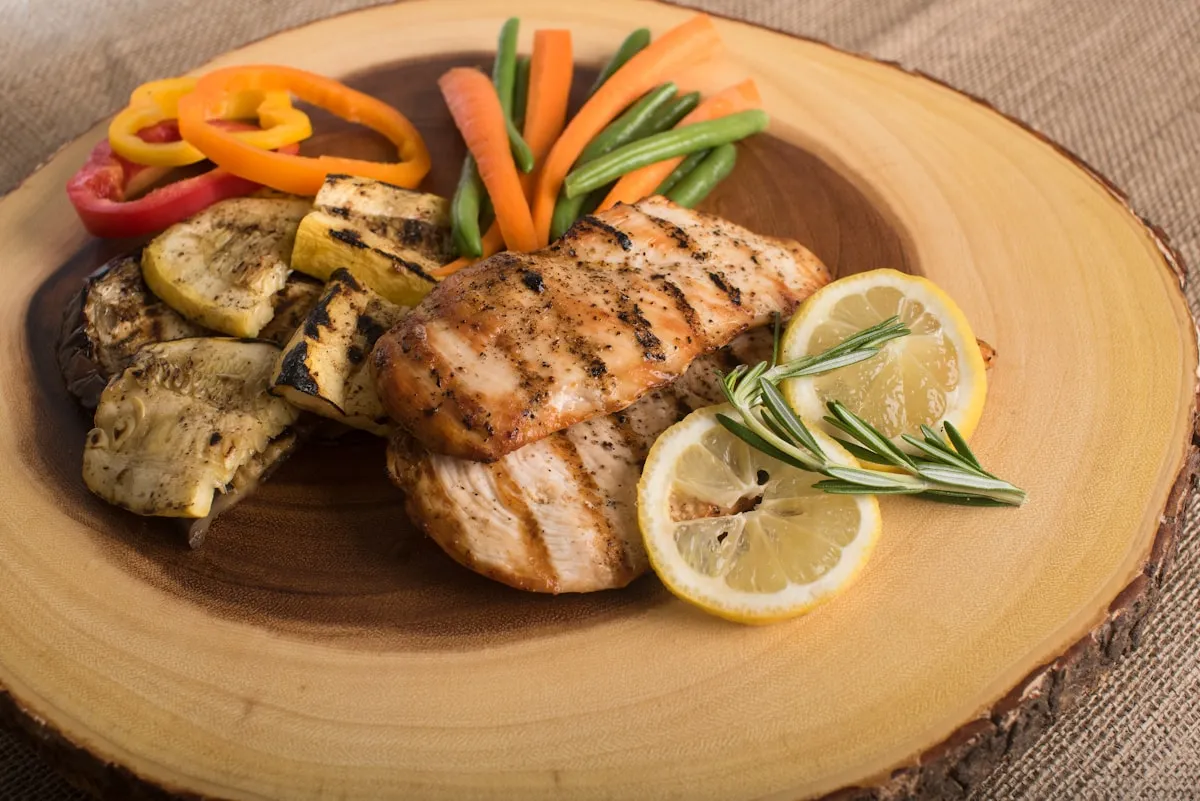
When you’re working with lean proteins like chicken breast, you have a very narrow window between "perfectly juicy" and "culinary eraser." The key to mastering this is understanding the Maillard reaction. This isn't just fancy chef-speak; it’s a chemical reaction between amino acids and reducing sugars that gives browned food its distinctive flavor. To get that deep, savory crust in under fifteen minutes, your surface must be dry. Pat that chicken down with a paper towel like your dinner depends on it, because it does. Moisture is the enemy of browning; if the surface is wet, the chicken will steam rather than sear.
Don't ignore the importance of thickness. If you try to grill a giant, uneven chicken breast, the thin end will dry out before the thick center even thinks about being done. Use a meat mallet or a heavy skillet to pound the chicken to an even thickness. This ensures every bite cooks at the same rate, which is non-negotiable for quick family meals where everyone is staring at the clock. Aim for about half an inch of thickness for that lightning-fast turnaround.
Let's talk about the "zest" factor. Acidity, specifically from fresh lemon, does more than just add flavor. It acts as a tenderizer, breaking down the tough exterior fibers of the meat. However, there is a science to the timing. Leave chicken in a heavy acid bath for too long, and it turns mushy. Keep your marinating time brief; ten minutes is plenty when you’re using fresh citrus. This acidity provides the necessary brightness to cut through the richness of the healthy fats you’re likely consuming elsewhere in your day.
Finally, check your internal temperature. Most people cook chicken to 165°F (74°C) while it's still on the heat, which is a mistake. Pull it off at 155–160°F and let it rest. The residual heat will finish the job while the juices redistribute. If you cut into it immediately, all that moisture will end up on the cutting board instead of in your mouth.
Flavor Variations: Swaps and Upgrades
While lemon and garlic are the gold standards of the soulful kitchen, don’t feel boxed in. The framework of this dish, fat, acid, and heat, allows for endless creativity. If you’re bored of lemon, swap it for lime and add a dash of cumin for a smoky, Southwestern vibe. If you’re looking for more keto recipes for beginners, experimenting with different dry rubs is the easiest way to keep your palate interested without adding carbs.
Try a Mediterranean twist by incorporating dried oregano and a splash of red wine vinegar instead of citrus. The vinegar provides a sharper "bite" that pairs beautifully with fatty additions like feta or olives. For those who enjoy a bit of heat, a pinch of red pepper flakes or a teaspoon of smoked paprika can transform the profile entirely. If you’re more of a hands-off cook, you can even apply these same flavor profiles to air fryer recipes for dinner, which offers a similar high-heat environment that encourages that beautiful Maillard browning.
Side Dish Pairings: Balancing the Plate
A soulful meal is all about balance. Since this chicken is lean and acidic, you want sides that offer either a creamy contrast or an earthy depth. A simple arugula salad with shaved parmesan and a heavy pour of extra virgin olive oil is the minimalist’s dream. The peppery greens stand up well to the citrus, while the fat in the oil ensures you stay satiated.
If you’re craving something warm, consider sautéed spinach with plenty of garlic. The iron-rich flavor of the greens anchors the bright notes of the chicken. For those who want a bit more "bulk" without the carbs, cauliflower rice is the obvious choice. Treat it like a blank canvas, toast it in the pan with some of the leftover lemon zest and a bit of butter to create a glossy, emulsified texture that mimics the luxury of a high-end risotto.
Frequently Asked Questions
What if my chicken is sticking to the pan?
Avoid the urge to poke or prod the meat. If the chicken is sticking, it means the Maillard reaction hasn't finished forming that beautiful crust yet. The meat will naturally "release" from the pan once it’s properly seared. Use a high-smoke-point fat like avocado oil or ghee to prevent the oil from burning before the chicken is ready to flip.
Can I use chicken thighs instead of breasts?
Absolutely. Thighs are actually more forgiving because they have a higher fat content, which prevents them from drying out as quickly. However, they will take slightly longer to cook. If you’re in a rush, stick to pounded breasts, but if you have an extra five minutes, thighs offer a richer, deeper flavor that fits perfectly into keto recipes for beginners.
Why is my chicken tough even if it’s not overcooked?
This usually happens if you haven't pounded the meat to an even thickness. When parts of the breast are significantly thicker than others, the muscle fibers contract at different rates, leading to a "tight" or tough texture. Always even it out before it hits the heat. Also, ensure you are cutting against the grain when serving to break up those long muscle fibers.
Is it safe to eat chicken cooked to 155°F?
Yes, provided you let it rest and the temperature holds there for at least a minute. Food safety is a function of both temperature and time. Cooking to 165°F is a "limit" that guarantees instant pasteurization, but holding it at 155°F for a few minutes achieves the same result while maintaining a far superior texture. Use a reliable thermometer and trust the science.
{“@type”:”BlogPosting”,”image”:”https://cdn.marblism.com/LfcetJItwgt.webp”,”author”:{“name”:”Penny”,”@type”:”Person”},”@context”:”https://schema.org”,”headline”:”Keto Quickness: 15-Minute Zesty Grilled Chicken”,”publisher”:{“logo”:{“url”:”https://cookpedia.com/logo.png”,”@type”:”ImageObject”},”name”:”Cookpedia”,”@type”:”Organization”},”description”:”Master the art of 15-minute keto grilled chicken with this soulful guide focusing on the Maillard reaction, acidity balance, and quick weeknight techniques.”,”datePublished”:”2026-06-06″,”mainEntityOfPage”:{“@id”:”https://cookpedia.com/keto-quickness-15-minute-zesty-grilled-chicken”,”@type”:”WebPage”}}