Recipe
Servings
Servings 1×
Cook 165 min
Ingredients
- Chicken
- Beans
- Cauliflower
- Green beans
- Tomatoes
- Lemon
- Balsamic vinegar
- Honey
- Feta
- Cooking oil
Method
- Use high-quality balsamic vinegar.
- Give each thigh its own personal space, and you will be rewarded with skin that crackles when you bite into it.
- Toss the arugula with just a hint of lemon juice and good olive oil.
- Pat the chicken dry with paper towels before you do anything else.
- Let the skin render its fat and crisp up in the dry heat of the oven first, then lacquer on the balsamic glory for the final few minutes of glory.
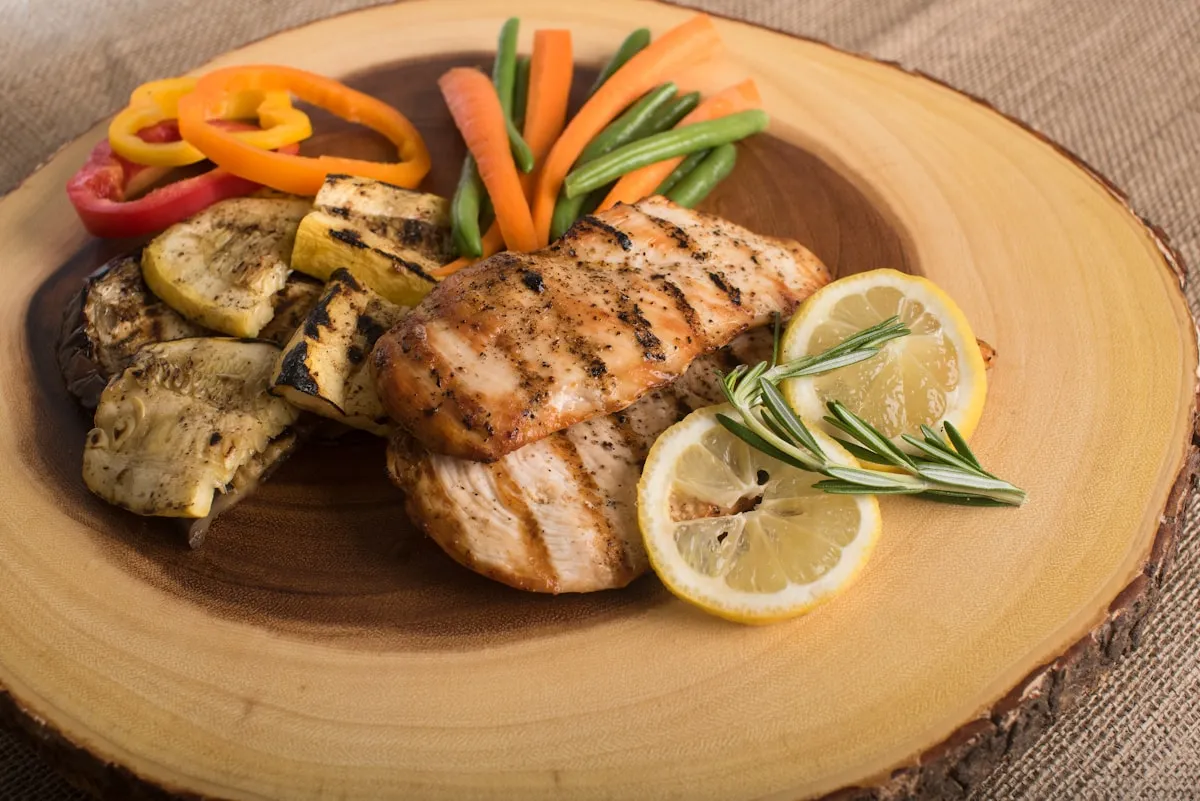
There is a specific kind of magic that happens when you commit to the one-pan lifestyle. You know the feeling: the kitchen stays relatively clean, the oven does the heavy lifting, and you end up with a meal that looks like it took hours but actually fits perfectly into your rotation of quick family meals. This balsamic glazed chicken is exactly that. It is moody, sophisticated, and deeply savory, yet it is simple enough to tackle on a Tuesday when your brain is fried from back-to-back meetings.
I am a firm believer that chicken thighs are the unsung heroes of the poultry world. They are forgiving, juicy, and capable of standing up to the intense, sugary heat of a balsamic reduction without drying out like their overachieving cousin, the chicken breast. If you are looking for healthy dinner ideas that don't taste like "diet food," you have found your new obsession.
The Science of the Sizzle: Mastering the Glaze
To understand why this dish works, we have to talk about chemistry. Specifically, we need to talk about the Maillard reaction and caramelization. These aren't just fancy words chefs toss around to sound important; they are the literal building blocks of flavor.
When you sear your chicken, you are triggering the Maillard reaction. This is a chemical reaction between amino acids and reducing sugars that gives browned food its distinctive, savory flavor. Without it, your chicken is just "cooked meat." With it, it becomes a culinary masterpiece. Do not skip the initial sear. I know it’s tempting to just dump everything on a pan and hope for the best, but you will lose out on that deep, complex crust that defines a truly great roast.
Now, let’s talk about that balsamic glaze. Balsamic vinegar is unique because it is naturally high in sugar compared to other vinegars. As it heats up, those sugars undergo caramelization. This is different from the Maillard reaction because it only involves sugars, not proteins. As the water evaporates from the vinegar, the sugars break down and reform into new compounds that are sweet, nutty, and slightly bitter.
Use high-quality balsamic vinegar. Avoid the cheap, watery stuff that tastes like pure acid. You want something that has a bit of syrupy body to it right out of the bottle. If you use a thin vinegar, your glaze will never achieve that glorious, lip-smacking stickiness. Check the label; if "grape must" is the first ingredient, you’re on the right track.
Temperature control is your best friend here. Aim for a roasting temperature around 400°F (200°C). This is the "Goldilocks zone" for one-pan meals. It is hot enough to keep the caramelization going and crisp up the skin, but not so hot that the sugars in the balsamic glaze burn before the chicken reaches its safe internal temperature of 165°F.
Never crowd the pan. This is a non-negotiable. If your chicken thighs are huddling together for warmth, they will steam instead of roast. Steaming leads to rubbery skin and sad, gray meat. Give each thigh its own personal space, and you will be rewarded with skin that crackles when you bite into it.
Shifting the Seasons: Variations for Every Table
One of the reasons this recipe has become a staple in my kitchen is its incredible versatility. While the balsamic base remains the constant, the world around it can change based on what is in your fridge or what dietary path you are currently walking.
If you are following a keto lifestyle, you might be worried about the sugar content in traditional balsamic reductions. To keep this firmly in the category of healthy dinner ideas, swap any added honey or brown sugar in your glaze for a keto-friendly sweetener like allulose or erythritol. Allulose is particularly good here because it caramelizes almost exactly like real sugar, giving you that tacky, glossy finish without the carb count.
For a Mediterranean twist, throw some halved cherry tomatoes and kalamata olives onto the pan during the last ten minutes of roasting. The tomatoes will blister and release their juices, mingling with the balsamic to create a makeshift sauce that is out of this world. Top it all off with some crumbled feta cheese right before serving.
If you are looking for air fryer recipes dinner alternatives, you can absolutely adapt this technique. Chicken thighs thrive in the air fryer because the concentrated convection heat is perfect for rendering fat and crisping skin. Just be sure to apply the glaze during the final 3-4 minutes of cooking so the sugars don't burn under the high-intensity heating element.
Finding the Balance: Side Dish Pairings
Because balsamic glaze is so rich, sweet, and acidic, you need side dishes that provide a counterpoint rather than competing for attention. Think of it like a seesaw; if the chicken is heavy and intense, your sides should be bright or earthy.
A simple arugula salad is my go-to pairing. The peppery bite of the greens cuts right through the sweetness of the glaze. Toss the arugula with just a hint of lemon juice and good olive oil. You don't need another heavy dressing here; the chicken provides enough flavor for the whole plate.
If you want something heartier, go for a creamy polenta or a simple cauliflower mash. These act as a neutral canvas for any extra glaze that drips off the chicken. Avoid serving this with anything too acidic, like a vinegar-heavy slaw, as the double dose of acid can become overwhelming. Instead, focus on textures. Something crunchy, like roasted green beans with toasted almonds, provides a great structural contrast to the tender, juicy chicken.
Troubleshooting Your Roast: The FAQ
Why is my balsamic glaze so thin and watery?
This usually happens for one of two reasons: either you didn't reduce the vinegar enough before coating the chicken, or the vegetables on your pan released too much moisture. To fix this, always simmer your glaze in a small saucepan until it can coat the back of a spoon. If the pan juices are thinning it out during roasting, try using a larger pan or roasting your vegetables on a separate sheet to keep the environment dry.
Can I use chicken breasts instead of thighs?
You can, but I wouldn't recommend it for this specific method. Breasts are much leaner and dry out quickly at the high temperatures needed to caramelize balsamic vinegar. If you must use breasts, reduce the cooking time significantly and use a meat thermometer to ensure you pull them out the second they hit 165°F.
My glaze turned bitter and black. What happened?
You crossed the line from caramelization to carbonization. Sugar burns quickly. If your oven has hot spots or if you applied the glaze too early in a very hot oven, it will burn. Next time, try roasting the chicken until it’s about 75% done, then brush on the glaze for the final stretch. This gives you the flavor without the charcoal.
Is it safe to use the marinade as a glaze?
Only if you boil it first! If you’ve had raw chicken soaking in a balsamic mixture, that liquid is teeming with bacteria. If you want to use it as a sauce, pour it into a small saucepan and bring it to a rolling boil for at least five minutes. This kills any pathogens and thickens the sauce at the same time.
How do I get the skin extra crispy?
Pat the chicken dry with paper towels before you do anything else. Moisture is the enemy of crispiness. Also, avoid covering the chicken with the glaze until the very end. Let the skin render its fat and crisp up in the dry heat of the oven first, then lacquer on the balsamic glory for the final few minutes of glory.
If you’re looking for more inspiration, check out our full collection at Cookpedia for more soulful, simple meals that make home cooking feel like a breeze. Happy roasting!