Recipe
Servings
Servings 1×
Ingredients
- Chicken
- Tofu
- Tomatoes
- Coconut milk
- Cream
- Butter
- Curry spices
- Turmeric
- Chili seasoning
- Black pepper
Method
- Use high heat to sear your protein.
- Use a generous pat of butter or ghee in your pan and let those spices sizzle for 30 to 60 seconds before adding any liquid.
- Use tomato passata (smooth tomato puree) instead of fresh tomatoes to save time and ensure a perfectly smooth finish.
- Whisk or stir vigorously to bind the fat molecules to the liquid.
- Sear them exactly like you would the chicken to get that crucial Maillard browning on the exterior.
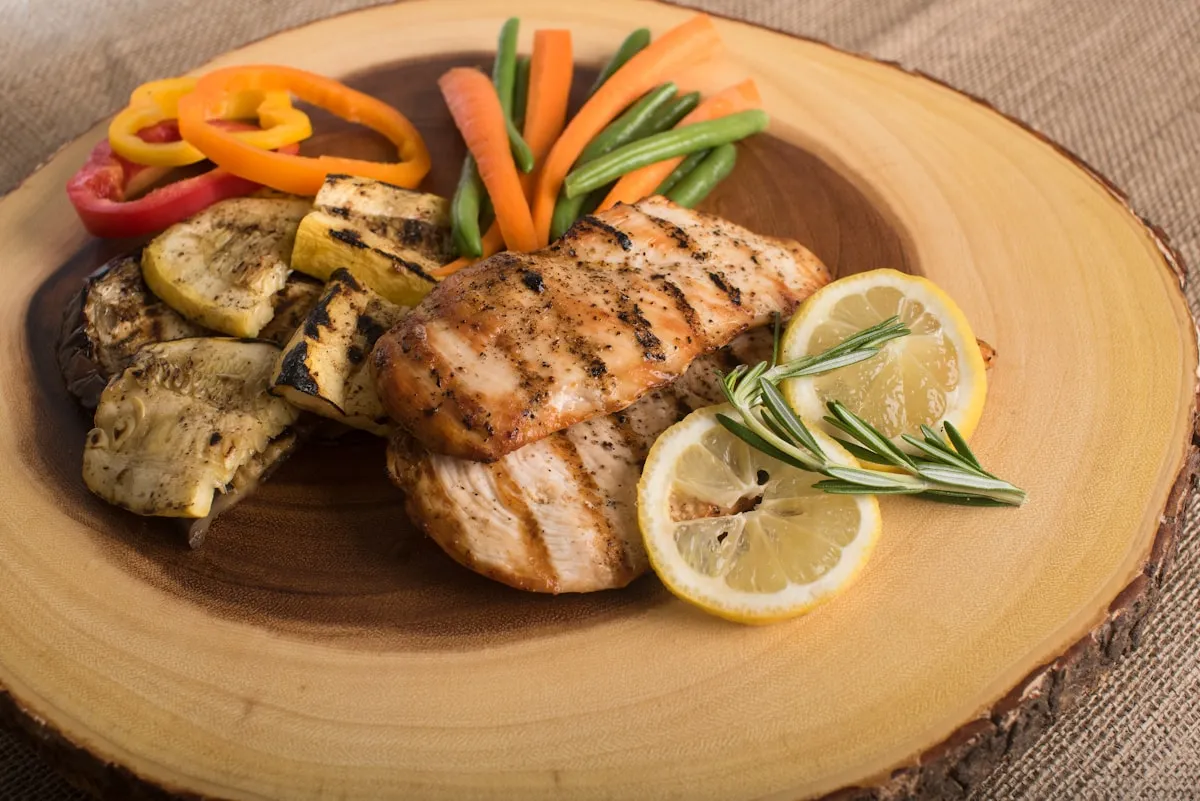
You probably think that a deep, complex curry requires hours of simmering and a spice cabinet the size of a library. I used to think the same until I realized that Indian cuisine is as much about chemistry as it is about time. If you’re hunting for easy dinner recipes that don't taste like a compromise, you’ve landed in the right place. This 20-minute butter chicken is my absolute go-to when I want soul-warming comfort without the soul-crushing wait. It’s creamy, it’s vibrant, and it’s surprisingly light if you play your cards right.
The Science of the Skillet: Flavor Fast-Tracking
To get that "simmered all day" flavor in under twenty minutes, you have to understand two fundamental chemical reactions: the Maillard reaction and spice blooming. Most people throw cold spices into a cold liquid and wonder why their curry tastes like chalky water. Don't be that person.
First, focus on the chicken. Use high heat to sear your protein. This triggers the Maillard reaction, where amino acids and reducing sugars transform into hundreds of tiny flavor compounds. You’re not looking to cook the chicken through at this stage; you just want that golden-brown crust that provides the savory backbone for your sauce.
Next, respect the "blooming" process. Many of the essential oils in spices like garam masala, turmeric, and cumin are fat-soluble, not water-soluble. Use a generous pat of butter or ghee in your pan and let those spices sizzle for 30 to 60 seconds before adding any liquid. You will literally smell the flavor changing as the heat unlocks the aromatic compounds. If you skip this, your spices remain "raw" and gritty.
Finally, let’s talk about the "The Great Emulsion." Butter chicken: or Murgh Makhani: is famous for its velvety texture. This is achieved by emulsifying fats (butter and heavy cream) with the acidic tomato base. Use tomato passata (smooth tomato puree) instead of fresh tomatoes to save time and ensure a perfectly smooth finish. When you add your dairy, keep the heat on low. Whisk or stir vigorously to bind the fat molecules to the liquid. If the heat is too high, the proteins in the cream will denature and "break," leaving you with an oily, curdled mess. Check your heat frequently; a gentle simmer is your best friend.
Creative Variations for Every Table
One of the reasons this is one of our favorite quick healthy meals is its sheer versatility. While the classic uses chicken thighs (which stay juicier under high heat), you can easily swap the protein. For a plant-based twist, use firm tofu or paneer cubes. Sear them exactly like you would the chicken to get that crucial Maillard browning on the exterior.
If you’re watching your saturated fat intake, swap the heavy cream for full-fat coconut milk. This adds a subtle sweetness that pairs beautifully with the acidity of the tomatoes while keeping the sauce dairy-free. For a spicy kick, don't just add more chili powder; add a finely diced serrano pepper during the spice-blooming phase to let the capsaicin distribute evenly through the fat.
For those who love air fryer recipes dinner prep, you can actually air-fry your marinated chicken chunks at 400°F (200°C) for about 8 minutes to get an incredible char that mimics a traditional tandoor oven. Then, simply drop those charred nuggets into your stovetop sauce for the final two minutes of simmering. It’s a brilliant way to keep the chicken tender while the sauce thickens.
Side Dish Pairings for Perfect Balance
Butter chicken is rich, so your sides need to provide contrast. You need acidity and texture to cut through the heavy cream. Avoid serving it with other creamy dishes; instead, go for a bright cucumber and tomato kachumber salad tossed with lemon juice and fresh cilantro.
Basmati rice is the traditional choice, but if you're looking for healthy dinner ideas, try steamed cauliflower rice or a mix of brown rice and quinoa. The nuttiness of the whole grains stands up well to the bold spices. Of course, a piece of warm naan is non-negotiable for many, but if you're in a rush, even a toasted pita or a simple whole-wheat tortilla works perfectly for scooping up every last drop of that velvety sauce.
Troubleshooting Your Butter Chicken (FAQ)
Why is my sauce orange instead of red?
The color of butter chicken is a tug-of-war between the red of the tomatoes and the white of the cream. If your sauce looks too pale, you likely used too much dairy or didn't cook down your tomato base enough. Use a high-quality tomato passata and ensure you bloom your paprika or Kashmiri chili powder in the fat first: this releases the red pigments into the oil, tinting the whole sauce more effectively.
Can I make this a "one-pot" meal?
Absolutely. This is designed for quick family meals where cleanup is a priority. Use a deep skillet or a Dutch oven. Sear the chicken, remove it, build the sauce in the same pan to pick up all the browned bits (fond) from the bottom, and then add the chicken back in. This saves you a dish and keeps all that flavor in the sauce.
My sauce is too thin! How do I thicken it quickly?
Avoid adding flour or cornstarch; it changes the mouthfeel and makes the sauce "gloopy." Instead, let the sauce simmer uncovered for an extra three to five minutes. This evaporates the water and concentrates the fats and solids. Alternatively, stir in an extra tablespoon of cold butter at the very end: this is a classic French technique called monter au beurre, which adds instant body and shine.
Is butter chicken actually healthy?
It can be! By focusing on "real food" ingredients and controlling the amount of added sugar (many restaurant versions are loaded with it), you can make this one of your favorite quick healthy meals. Use honey instead of white sugar to balance the tomato acidity, and lean on the anti-inflammatory properties of turmeric and ginger.
Why did my sauce curdle?
Curdling usually happens because of a temperature shock or too much acidity. Always bring your cream to room temperature before adding it to the hot pan, or "temper" it by mixing a spoonful of the hot sauce into the cream before pouring the whole mixture in. Never let the sauce come to a rolling boil once the dairy is added.
For more inspiration on simple, soulful cooking, check out our other recipes at Cookpedia. Happy cooking!