Recipe
Servings
Servings 1×
Ingredients
- Chicken
- Onion
- Lemon
- Feta
- Cooking oil
Method
- Prepare the ingredients described in the article and heat the cooking surface or oven as directed.
- Cook the main ingredients using the heat and timing guidance in the article.
- Finish with the seasonings and garnishes named in the article, then serve.
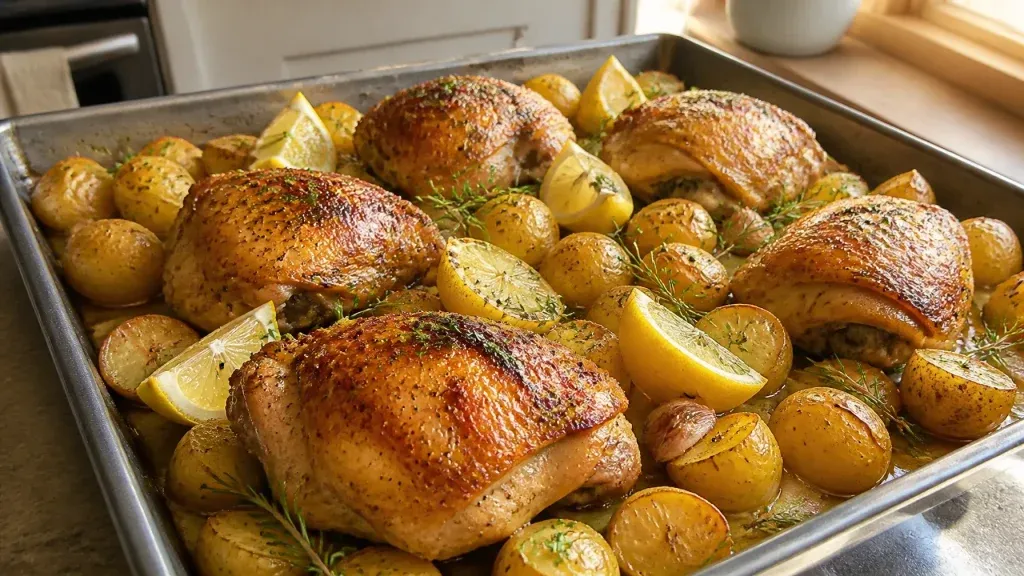
If you’re anything like me, your weeknights are a frantic dance between finishing emails and wondering why the fridge looks so empty. You need a win that doesn't involve a mountain of dishes or a degree in culinary arts. This Greek chicken sheet pan dinner is that win. It’s one of those healthy dinner ideas that feels like a cheat code for life, you toss a few things on a tray, let the oven do the heavy lifting, and end up with a meal that tastes like a Mediterranean vacation. It’s soulful, accessible, and exactly what Cookpedia stands for.
The Science of the Sheet Pan: Why This Works
Cooking everything on a single sheet isn’t just about saving your manicure from dish soap; it’s about heat transfer and flavor fusion. When you roast chicken, olives, and veggies together, you’re creating a closed-loop flavor system.
The most important scientific concept here is the Maillard reaction. This is the chemical reaction between amino acids and reducing sugars that gives browned food its distinctive, savory flavor. To get that golden, crispy skin on your chicken, you need high heat (think 400°F to 425°F) and dry skin. If your chicken is wet, it will steam instead of roast. Pat that bird dry!
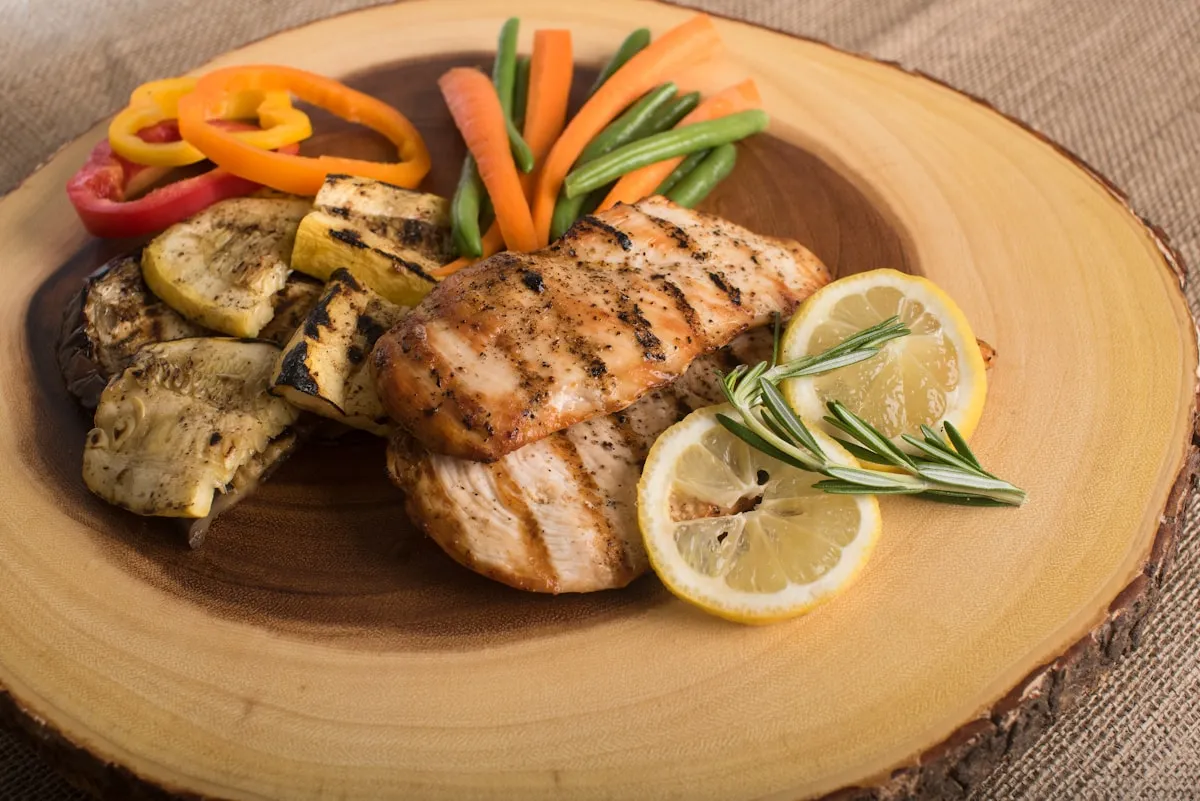
Then there’s the magic of osmosis. We’re using Kalamata olives here, and they aren't just for decoration. These dark, almond-shaped beauties are packed with brine. As they heat up, they release their salty, fermented juices into the surrounding oil and chicken fat. This creates a natural "sauce" right on the pan. The saltiness of the Kalamatas provides a sharp, umami-rich contrast to the mellow sweetness of roasted red onions and the bright acidity of lemon.
I always suggest using chicken thighs rather than breasts for this. Why? Connective tissue. Thighs have more collagen, which breaks down into gelatin during roasting. This keeps the meat succulent even if you accidentally leave it in for an extra five minutes because you were busy refereeing a toddler dispute. Breasts are far less forgiving; they go from "done" to "cardboard" in the blink of an eye. If you are building a repertoire of quick family meals, the chicken thigh is your most reliable ally.
Lastly, let’s talk about the feta. While you can toss it on at the end, I’m a fan of adding half of it during the last few minutes of roasting. Feta doesn't melt like mozzarella; it softens and browns. The heat concentrates its tanginess, making it the perfect creamy foil to the crispy chicken skin.
Variations: Balancing Acid and Richness
The beauty of this dish lies in its balance. You have the richness of the chicken fat and olive oil, which needs to be cut by something sharp. If you want to switch things up, focus on maintaining that equilibrium.
If you’re out of lemons, don’t panic. A splash of red wine vinegar over the veggies before they hit the oven will provide that necessary hit of acidity. You could even swap the Kalamatas for green Castelvetrano olives if you want something buttery rather than sharp, but remember that you’ll lose that intense salty punch that makes the Greek profile so iconic.
For those looking for healthy dinner ideas with a twist, try adding sliced zucchini or artichoke hearts. Just be mindful of moisture. Zucchini has a high water content, so if you crowd the pan too much, you’ll drop the temperature and lose your crispiness. Spread everything out. If it’s crowded, use two pans. Gravity doesn't care how many pans you use, but the Maillard reaction definitely does.
If you have leftovers (lucky you), this is one of those meals that actually tastes better the next day. The flavors have more time to mingle, and the olives continue to infuse the oil with their salty depth. You can even shred the leftover chicken into a wrap for a lunch that will make your coworkers extremely jealous.
Perfect Side Dish Pairings
While this is a complete meal on its own, sometimes you want a little something extra to soak up all those pan juices. Because let’s be honest, that olive-infused liquid gold is the best part.
- Herbed Quinoa or Couscous: These grains are like little sponges. Toss them with some fresh parsley and a squeeze of lemon to keep the theme going.
- Crispy Smashed Potatoes: If you have the extra oven space, some salty, crispy potatoes are the ultimate comfort pairing.
- A Simple Arugula Salad: The peppery bite of arugula is a great way to refresh your palate between bites of rich feta and chicken.
Remember, the goal is balance. If your main dish is heavy and salty, keep your side dish light and bright. Avoid heavy cream-based sides here; you want to highlight the Mediterranean freshness, not bury it.
Common Questions (The FAQ)
Can I do this in an air fryer?
Absolutely. If you’re looking for air fryer recipes dinner style, you can definitely adapt this. The air fryer is essentially a high-powered convection oven, so it’s actually great for getting that skin crispy. You’ll just need to work in batches since you don't want to crowd the basket. If the chicken is on top of the olives, the olives won't roast properly. Air fry at 380°F for about 18–22 minutes, shaking the basket halfway through.
Why is my chicken skin rubbery?
You probably didn't dry it enough or your oven wasn't hot enough. Moisture is the enemy of crispiness. Use a paper towel and be aggressive, pat that skin until it’s bone dry. Also, make sure you don't pour the marinade over the skin right before roasting. Rub the marinade under the skin or keep it mostly on the meat side to let the skin render its fat efficiently.
Is this recipe keto-friendly?
Yes, it’s a dream for low-carb lifestyles. You have high-quality fats from the olive oil and olives, plenty of protein, and very few net carbs from the veggies. It’s one of the most reliable healthy dinner ideas for anyone trying to stay in ketosis without feeling like they’re eating "diet food."
What if I don’t like olives?
I’ll forgive you, but the dish will miss that salty "zing." You can replace the olives with capers for a similar salty effect, or even some pickled pepperoncini peppers if you like a little heat. The key is to replace that fermented, salty element with something equally punchy.
Can I use chicken breasts instead?
You can, but I wouldn't recommend it for a sheet pan roast. Breasts cook much faster than the vegetables. If you insist, cut the veggies into very small pieces so they cook at the same rate as the chicken, or add the chicken to the pan halfway through the vegetable roasting time. But seriously, just use the thighs. Your taste buds will thank you.
How do I know when it’s truly done?
Use a meat thermometer. Don't guess. You’re looking for 165°F for chicken thighs. Because they have more fat, they can actually go up to 175°F and still be delicious, which gives you a nice safety buffer. Once they hit that temp, pull the pan out and let it rest for five minutes. This allows the juices to redistribute so they don't all run out the second you poke it with a fork.
Cooking doesn't have to be complicated to be spectacular. Focus on the quality of your ingredients: get the good feta, the real Kalamatas, and fresh lemons: and let the heat do the rest. This is how we do quick family meals at Cookpedia: simple, soulful, and undeniably delicious. Now, get that oven preheated and go make something great.