Recipe
Servings
Servings 1×
Ingredients
- Tofu
- Chickpeas
- Beans
- Quinoa
- Greens
- Cucumber
- Avocado
- Onion
- Lemon
- Feta
- Cooking oil
- Salt
- Black pepper
Method
- Prepare the ingredients described in the article and heat the cooking surface or oven as directed.
- Cook the main ingredients using the heat and timing guidance in the article.
- Finish with the seasonings and garnishes named in the article, then serve.
If you think a salad is just a sad pile of wilted lettuce waiting for a better destiny, you haven't met the Mediterranean chickpea salad. This dish is the ultimate workhorse of my kitchen: it’s punchy, bright, and surprisingly filling. It’s one of those healthy dinner ideas that actually leaves you satisfied rather than hunting for a bag of chips ten minutes later. Most importantly, it relies on the magic of cold-marinating, a technique that transforms humble pantry staples into something that tastes like it came from a high-end bistro.
The Chemistry of the Cold Marinate
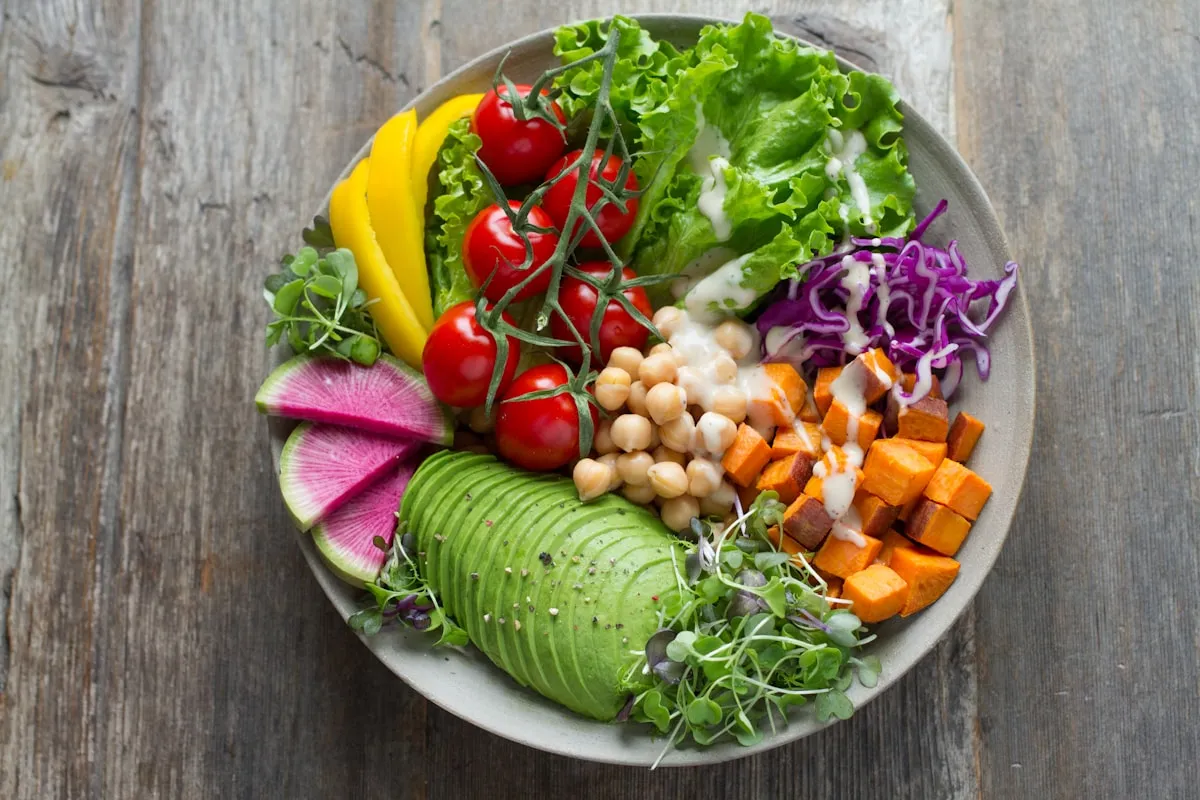
Most people toss a salad and eat it immediately. That is your first mistake. To get the most out of your chickpeas, you need to understand the science of the cold marinate. Legumes like chickpeas are packed with nutrients, but they also contain phytates: naturally occurring compounds that can block the absorption of minerals like iron and zinc. This is where your lemon vinaigrette comes in as a scientific powerhouse, not just a flavor booster.
When you marinate chickpeas in a high-acid environment (like lemon juice), you are initiating a process that significantly boosts nutrient bioavailability. The citric and malic acids in the lemon juice work alongside vitamin C to convert the iron in the chickpeas from a form that’s hard to absorb into one your body craves. In fact, adding lemon juice can increase iron absorption by up to ten times compared to eating plain chickpeas. You aren't just making lunch; you’re performing a chemistry experiment that makes your food more functional.
Beyond the nutrition, there’s the matter of flavor penetration. Chickpeas have a dense, starchy structure. If you just pour dressing over them right before serving, the flavor sits on the surface. By letting them sit in the vinaigrette for at least thirty minutes: or better yet, two hours: you allow for osmotic diffusion. The acid and salt in the dressing actually travel into the center of the bean, seasoning it from the inside out. This makes the chickpeas tender and removes that "canned" aftertaste that plagues many quick family meals.
Use high-quality extra virgin olive oil. The fats in the oil are essential because they carry the fat-soluble flavor compounds from your herbs (like parsley or oregano) and deliver them straight to your taste buds. Avoid using "light" olive oils or neutral oils here; you want the peppery, robust punch of the good stuff. Check your acid-to-oil ratio constantly. A standard 3:1 ratio is fine for lettuce, but for chickpeas, you want to lean closer to 2:1. The beans can handle the extra zing, and that acidity is what keeps the dish tasting fresh even after a night in the fridge.
Elevating the Profile: Flavor Variations
Once you master the base, start playing with the textural and chemical balance of the bowl. If you want to lean into the creamy side of the Mediterranean, add a salty, aged feta. The saltiness of the cheese provides a sharp contrast to the earthy chickpeas, while the fat helps coat the palate, lingering long after each bite. If you’re keeping it plant-based, diced avocado offers a similar creamy mouthfeel without the dairy.
Think about crunch. While the chickpeas are the star, they need a supporting cast with structural integrity. Diced Persian cucumbers and red onions are non-negotiables for me. The onion, in particular, benefits from the marinating process. The acid in the lemon vinaigrette "macerates" the onion, stripping away that harsh, lingering sulfur bite and turning it into something sweet and tangy.
For those who want a bit more heat, a pinch of red pepper flakes or some diced Aleppo peppers can introduce a slow burn that balances the cooling cucumber. You can also swap the herbs. While flat-leaf parsley is the classic choice, fresh mint or dill can completely shift the vibe of the dish. Mint makes it lean more towards a Middle Eastern profile, while dill brings a bright, grassy note that pairs perfectly with extra lemon zest.
Perfect Pairings for a Balanced Table
While this salad is a powerhouse on its own, I love serving it as part of a larger spread. Because it’s so acidic and bright, you want to pair it with something rich or savory to create a "flavor seesaw." It works beautifully alongside grilled proteins, but if you’re looking for a low-effort solution, look toward your small appliances. I often pair this salad with some protein-packed air fryer recipes dinner options. The charred, crispy edges of air-fried sausages or even seasoned tofu provide a fantastic textural contrast to the cool, marinated salad.
If you’re serving this as part of your rotation of quick family meals, a side of warm pita or crusty sourdough is essential. You need something to mop up that leftover "liquid gold" vinaigrette at the bottom of the bowl. For a more substantial dinner, serve the salad over a bed of quinoa or farro. The grains will soak up the excess dressing, turning a simple side into a hearty, grain-based feast. If you have leftovers, they actually improve by the second day, making this a top-tier candidate for meal prep.
Frequently Asked Questions
Can I use canned chickpeas, or do I have to cook them from scratch?
You can absolutely use canned chickpeas. In fact, for healthy dinner ideas that don't take all evening, canned is often the way to go. However, you must rinse them thoroughly. Canned chickpeas are stored in aquafaba (the starchy liquid), which can be salty and have a metallic tang. Rinsing them under cold water until the foam disappears ensures you start with a clean slate for your marinade.
How long can this salad sit in the fridge?
This is one of those rare dishes that actually thrives on neglect. It will stay fresh and delicious for 3 to 4 days in an airtight container. The cucumbers might lose a bit of their "snap" by day three, but the chickpeas will only get tastier as they continue to absorb the dressing. Just give it a good stir before serving to redistributed the oil and juices that settle at the bottom.
Is the lemon juice really that important for nutrition?
Yes. As mentioned earlier, the relationship between Vitamin C and non-heme iron (the kind found in plants) is crucial. Without the acid, your body only absorbs a fraction of the iron available in the legumes. If you don't have lemons, lime juice or a high-quality red wine vinegar can serve a similar purpose, though lemon provides the most significant boost in Vitamin C.
Why does my vinaigrette look cloudy?
If you store the salad in the fridge, the olive oil will likely solidify or turn cloudy. This is a sign of high-quality, extra virgin olive oil! It contains natural waxes that harden at low temperatures. Simply take the salad out of the fridge 15 minutes before you plan to eat, and it will return to its liquid, glossy state.
Can I add other vegetables to this?
Definitely, but avoid vegetables that release too much water, like large tomatoes with a lot of seeds. If you use tomatoes, stick to cherry or grape tomatoes halved, as they hold their shape better. Bell peppers are also a great addition for extra crunch and a boost of Vitamin C. If you’re looking for something even more substantial, you might even consider pairing this with a kielbasa pierogi air fryer roast if you aren't strictly keeping it plant-based.