Recipe
Servings
Servings 1×
Ingredients
- Avocado
- Tomatoes
- Balsamic vinegar
- Salt
- Black pepper
Method
- Prepare the ingredients described in the article and heat the cooking surface or oven as directed.
- Cook the main ingredients using the heat and timing guidance in the article.
- Finish with the seasonings and garnishes named in the article, then serve.
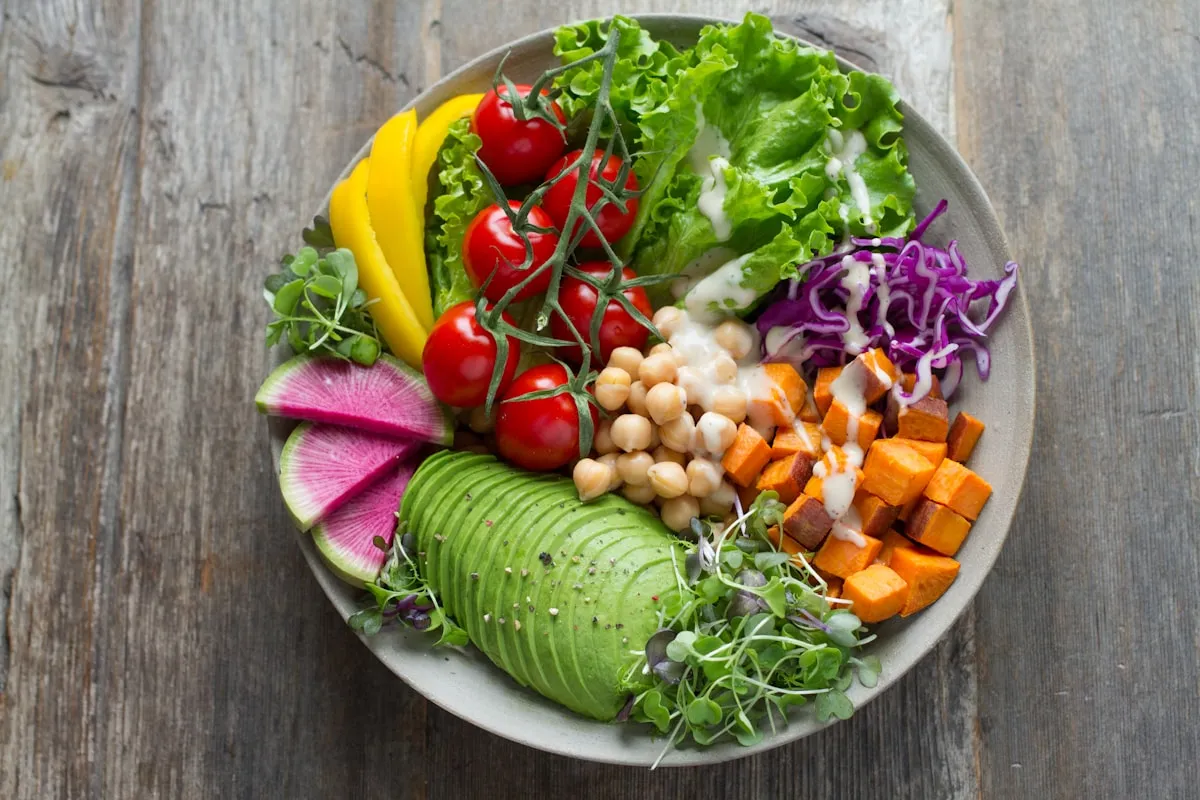
If you have fifteen minutes, you have a gourmet meal. The classic Caprese, a trio of tomato, mozzarella, and basil, is a masterpiece of Italian minimalism. But let’s be honest: even masterpieces benefit from a little modernization. By introducing creamy avocado and a velvety balsamic glaze, we transform a simple side into one of those high-impact 15 minute meals that can stand alone as a light dinner or anchor a larger spread. It’s fresh, it’s fast, and it relies entirely on the chemistry of its ingredients to do the heavy lifting.
The Science of the Perfect Slice
To master this salad, you must respect the science of flavor and texture. Cooking isn't just about heat; it’s about managing enzymes and molecular structures. When you're looking for healthy dinner ideas, starting with raw, high-quality fats and acids is the smartest move you can make.
Heat vs. Volatility
First, check your temperatures. Never serve a Caprese straight from the fridge. Cold suppresses the volatile aroma compounds in tomatoes and basil, and it makes the fat in mozzarella feel waxy rather than creamy. Let your ingredients sit at room temperature for at least 30 minutes. This allows the esters in the tomatoes to fully express their sweetness and the cheese to soften, creating a more cohesive mouthfeel.
Managing the Browning Enzyme
The biggest challenge when adding avocado to a salad is oxidation. The moment you slice an avocado, an enzyme called polyphenol oxidase (PPO) reacts with oxygen, turning that beautiful green into a muddy brown. To combat this, use the power of pH. Acids, like those found in tomatoes and balsamic glaze, lower the pH of the avocado's surface. This inhibits the PPO enzyme, keeping your greens vibrant. Always toss your avocado slices in a bit of the dressing or the tomato juices immediately after cutting.
The Role of Osmosis
Be careful with your salt. Salt is hygroscopic, meaning it draws moisture out of whatever it touches through osmosis. If you salt your tomatoes too early, you’ll end up with a puddle of water at the bottom of your bowl. Save the flaky sea salt for the very last second. This ensures the salt provides a tactical "crunch" and a burst of flavor without dehydrating your produce.
Flavor Balance and Variations
The beauty of the avocado-Caprese hybrid is the interplay between the buttery lipids of the avocado and the sharp acetic acid of the balsamic glaze. While the classic version is hard to beat, you can experiment with balance by swapping out key components.
Fruit Forward Swaps
If you want to lean into the sweetness, try replacing half of the tomatoes with sliced peaches or nectarines. The stone fruit provides a different kind of acidity (malic acid) that pairs beautifully with the creamy avocado. This is a great trick for quick family meals during the height of summer when fruit is at its peak.
Texture Contrasts
For a bit of crunch, consider adding a handful of toasted pine nuts or pepitas. The added crunch contrasts with the soft mozzarella and avocado, making the dish feel more substantial. If you prefer a bit of heat, a sprinkle of red pepper flakes can cut through the richness of the fats.
Side Dish Pairings
While this salad is a star on its own, it plays very well with others. If you’re looking to round out your table, consider these pairings that respect the balance of the meal:
- Lean Proteins: A simple grilled chicken breast or a piece of seared salmon provides the protein needed for a complete meal without overshadowing the fresh basil.
- Crispy Textures: Since the salad is largely soft and creamy, a side of crusty sourdough or even some air fryer recipes dinner staples like crispy chickpeas can add a necessary architectural contrast.
- Light Grains: A small side of quinoa or farro tossed in lemon and herbs can bulk up the meal for those with bigger appetites.
If you are already exploring air fryer recipes dinner options, you might even try air-frying some prosciutto until it’s shattered-glass crispy and crumbling it over the top of the salad for a salty, smoky finish.
Culinary FAQ
Why use a balsamic glaze instead of regular balsamic vinegar?
Regular balsamic vinegar is thin and highly acidic. A glaze is a reduction, meaning the water has been evaporated and the sugars have concentrated through a mild Maillard reaction. This creates a syrupy consistency that "clings" to the smooth surfaces of the mozzarella and avocado rather than just running off to the bottom of the plate.
How do I choose the right mozzarella?
Avoid the low-moisture "pizza" mozzarella sold in blocks. For a Caprese, you need mozzarella di bufala or fior di latte packed in water. The high moisture content is essential for that signature soft, milky texture that melds with the avocado.
Can I make this salad in advance?
Generally, no. Because of the oxidation of the avocado and the osmotic effect of salt on tomatoes, this is a "serve immediately" dish. However, you can prep the components separately. Keep the tomatoes whole and the avocado unpeeled until the last ten minutes.
What is the best way to cut the basil?
Avoid using a dull knife, which bruises the leaves and turns them black (more oxidation!). Use a very sharp blade and either tear the leaves by hand or use the chiffonade technique, stack the leaves, roll them like a cigar, and slice thin ribbons.
Is this salad actually filling?
Yes, thanks to the healthy fats in the avocado and the protein in the mozzarella. It fits perfectly into a rotation of healthy dinner ideas because it provides satiety without the "heavy" feeling of a carb-loaded meal.
How do I store leftovers?
If you must store leftovers, press a piece of plastic wrap directly onto the surface of the salad to minimize air contact with the avocado. Eat it within 12 hours, though be prepared for a slightly softer texture in the tomatoes.
Creating quick family meals doesn't mean you have to sacrifice the "soul" of your cooking. By understanding the science of your ingredients: from pH levels to osmotic pressure: you can turn fifteen minutes in the kitchen into a professional-grade dining experience. Keep your knives sharp, your ingredients at room temp, and always, always salt at the last possible second.