Recipe
Servings
Servings 1×
Ingredients
- Chicken
- Salmon
- Chickpeas
- Quinoa
- Rice
- Bread
- Cauliflower
- Spinach
- Kale
- Greens
- Avocado
- Tomatoes
- Lemon
- Mustard
- Feta
- Cooking oil
Method
- Use a strict 2:1 water-to-quinoa ratio.
- Place a clean paper towel over the top of the pot and then replace the lid.
- Let it sit for 10 minutes.
- Whisk your lemon juice and mustard together first.
- Use a fine-mesh sieve and keep rinsing until the water stops bubbling or looking soapy.
- Add a tiny splash of warm water and another teaspoon of mustard to a clean bowl, then slowly whisk the broken dressing into that new base.
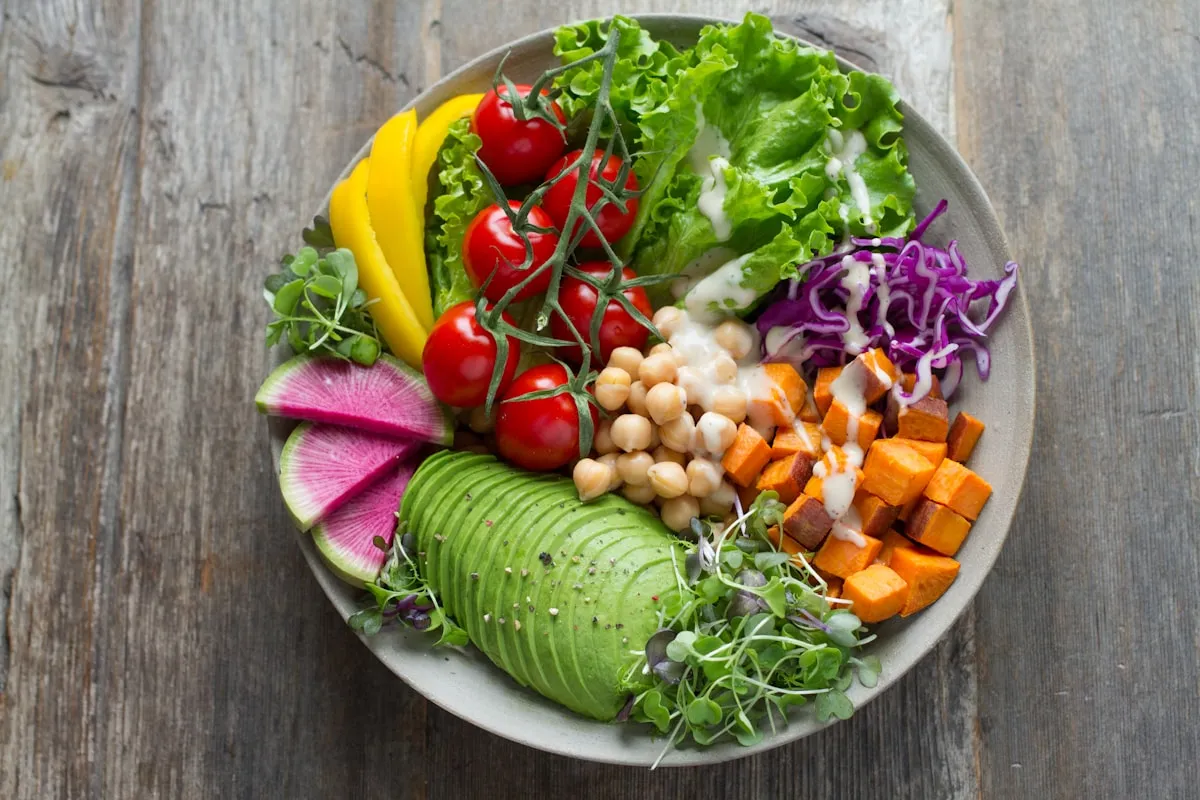
If your weeknights feel like a high-stakes race against the clock, you aren’t alone. We’ve all been there: staring into a fridge of random ingredients while the hunger gremlins start to growl. My Mediterranean Quinoa Salad is the ultimate antidote to that chaos. It’s fresh, it’s vibrant, and it’s one of those quick healthy meals that actually makes you feel like a functional adult. Forget sad desk lunches; this is a bowl of sunshine that proves "real food" doesn't have to take all night to prepare.
The Science of the Perfect Fluff
To master this salad, you have to understand the grain. Quinoa is a seed, not a cereal, and it’s coated in a natural defense mechanism called saponin. This stuff tastes like soap because, well, chemically, it is a surfactant. Always rinse your quinoa in a fine-mesh strainer for at least 60 seconds. If you skip this, your salad will have a bitter aftertaste that no amount of lemon can fix. Don't negotiate on this; use cold running water and rub the seeds with your fingers.
Texture is the difference between a gourmet meal and a mushy bowl of sadness. Use a strict 2:1 water-to-quinoa ratio. Once the water hits a rolling boil, drop the heat to a low simmer and cover the pot. The science here is simple: you want the germ (that little white ring) to separate and the water to be absorbed through gentle steam, not violent boiling. Boiling too hard breaks the delicate seeds, leading to a pasty mess.
Once the liquid is gone, remove the pot from the heat but do not touch that lid yet. Place a clean paper towel over the top of the pot and then replace the lid. Let it sit for 10 minutes. This paper towel trick is a game-changer; it absorbs the excess steam that would otherwise condense on the lid and drip back down, making your quinoa soggy. This results in the "pop" we’re looking for in quick family meals.
Now, let’s talk about the vinaigrette. Emulsification is the art of forcing oil and water (vinegar) to stop hating each other. Vinegar is polar; oil is non-polar. They won't mix on their own. You need a bridge, which in this case is Dijon mustard. Mustard contains proteins that act as surfactants, grabbing onto both the oil and the acid to hold them together.
Whisk your lemon juice and mustard together first. Then, slowly, literally drop by drop: stream in your olive oil while whisking like your life depends on it. This creates a stable, creamy emulsion that coats every grain of quinoa rather than just pooling at the bottom of the bowl. Check the consistency; it should be opaque and slightly thickened. If it looks like a lava lamp, you haven't whisked enough.
Elevating the Bowl: Variations and Swaps
One of the reasons this is one of my favorite healthy dinner ideas is its versatility. Once you have the base of quinoa and lemon vinaigrette, the world is your oyster: or at least your pantry is.
If you want to lean into the richness, add some fat to cut through the lemon's acidity. Avocado chunks are a great way to add creaminess without dairy. For those who need more crunch, toasted pine nuts or slivered almonds provide a structural contrast to the soft quinoa and juicy tomatoes.
Want to change the grain? Swap the quinoa for farro if you prefer a chewier, nuttier profile. Farro has a more robust gluten structure, which means it holds its shape even better if you’re prepping this for lunches later in the week. If you’re keeping it grain-free, try riced cauliflower, though you’ll want to sauté it quickly first to remove the raw cabbage scent.
For a protein boost, toss in some chickpeas or even some shredded rotisserie chicken. The lemon vinaigrette acts as a marinade, so the longer the protein sits in the salad, the more flavor it absorbs. Just remember the golden rule of salad physics: don’t add the soft herbs (like parsley or mint) until you’re ready to serve, or they’ll wilt into a sad, dark green mush.
Perfectly Paired Side Dishes
While this salad is a powerhouse on its own, it plays very well with others. If you’re looking for a full spread, think about textures and temperatures.
A hot protein straight off the grill is the classic choice. Think lemon-oregano chicken skewers or a piece of seared salmon. The warmth of the meat slightly wilts the spinach or kale if you’ve added greens, creating a lovely "wilted" salad effect that feels much more substantial.
For a truly hands-off experience, I often look toward air fryer recipes dinner enthusiasts love. A side of crispy air-fried chickpeas or even some spiced cauliflower florets adds a much-needed crunch and warmth to the meal. You can find plenty of inspiration for these pairings on our Cookpedia homepage, where we focus on minimalist, high-impact flavors.
If you want to keep it strictly Mediterranean, serve this alongside a bowl of creamy hummus and some warm, toasted pita bread. The contrast between the cold, acidic salad and the warm, fatty hummus is a classic flavor balance that never fails to impress.
Quinoa FAQ: Solving Your Kitchen Woes
Why is my quinoa always bitter?
It’s the saponins! As mentioned earlier, nature gave quinoa a bitter coating to stop birds from eating it. If you don't rinse it thoroughly, you're eating that bird-repellent. Use a fine-mesh sieve and keep rinsing until the water stops bubbling or looking soapy.
Can I make this salad ahead of time?
Absolutely. In fact, quinoa is one of the few "grains" that actually gets better the next day. The seeds absorb the vinaigrette without becoming mushy. Just keep the feta and fresh herbs separate until you’re ready to eat to maintain the best texture and color.
My vinaigrette keeps separating. What did I do wrong?
You probably added the oil too fast. Emulsification requires patience. If it breaks, don't throw it out! Add a tiny splash of warm water and another teaspoon of mustard to a clean bowl, then slowly whisk the broken dressing into that new base. It will come back together.
Is quinoa actually better for me than white rice?
Scientifically speaking, quinoa is a complete protein, meaning it contains all nine essential amino acids that your body can't produce on its own. It also has a lower glycemic index, which prevents that post-lunch energy crash. It’s a foundational element for anyone looking for quick healthy meals.
Can I use bottled lemon juice?
Avoid it if you can. Bottled juice often contains preservatives and has a "cooked" flavor that lacks the bright, volatile oils found in fresh lemon zest and juice. Since the dressing only has a few ingredients, the quality of your lemon really matters.
What if I don't have a fine-mesh strainer?
You can use a clean kitchen towel! Line a regular colander with the towel, dump the quinoa in, and rinse. It’s a bit more work to get the seeds out of the fabric afterward, but it prevents the tiny grains from escaping through the holes of a standard colander.
Why does my quinoa look like mush?
You likely used too much water or cooked it too long. Once the water is gone, stop the heat. The "resting" period with the lid on is actually part of the cooking process: it allows the residual heat to finish the job gently. Check the timer and stick to the 15-minute simmer mark.