Recipe
Servings
Servings 1×
Ingredients
- Pasta
- Avocado
- Lemon
- Butter
- Cooking oil
- Salt
Method
- Use a heavy-duty paper towel and press firmly.
- Use an oil with a high smoke point, like avocado or grapeseed oil.
- Use a cast-iron or stainless steel skillet.
- Place them in the pan and leave them alone.
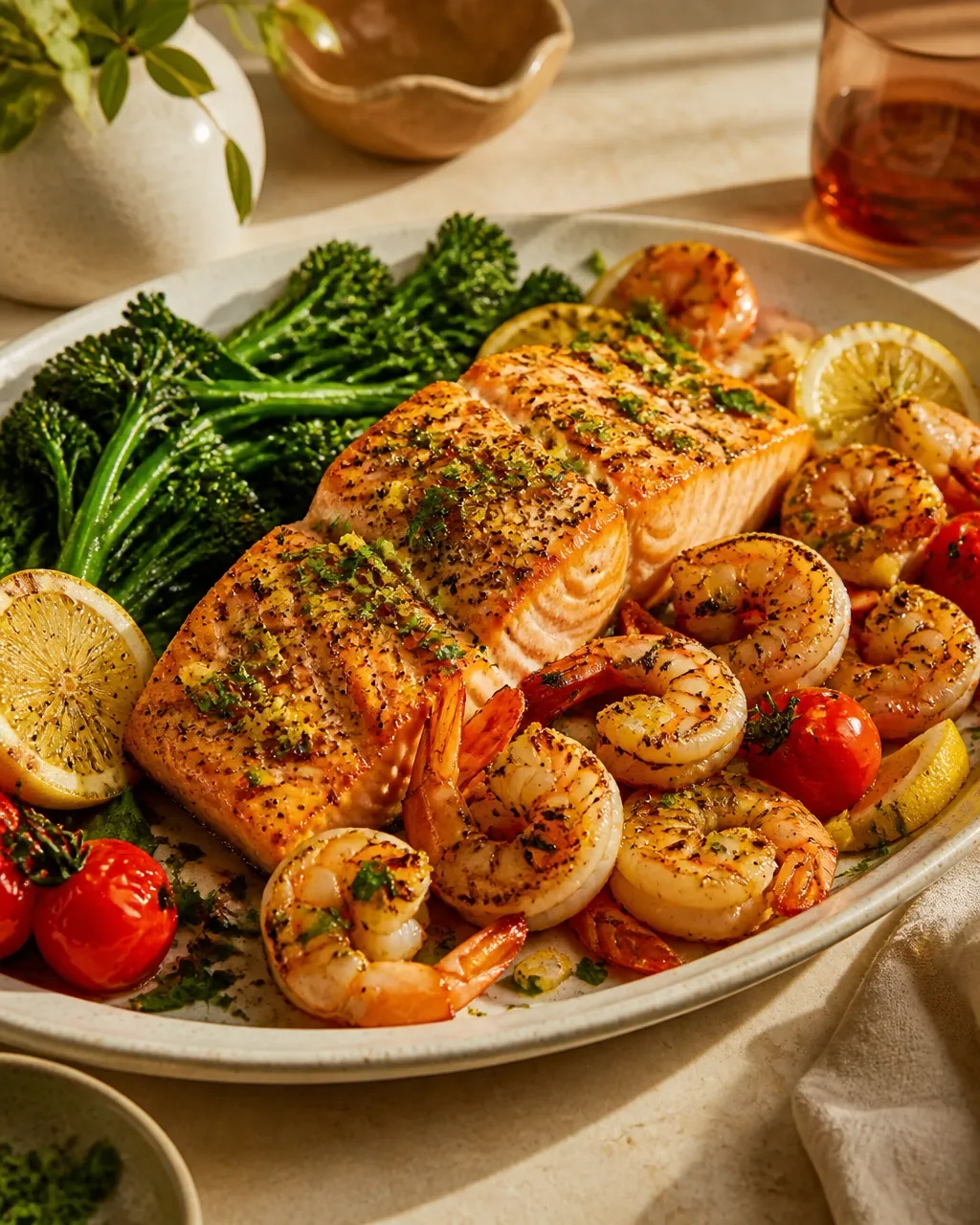
If you have ever bitten into a scallop that felt like a wet eraser, you have been a victim of poor chemistry. We are here to fix that. The difference between a sad, pale nugget of seafood and a restaurant-quality delicacy is a single scientific phenomenon: the Maillard reaction. This isn’t just about making food look pretty; it’s about a complex chemical dance between amino acids and reducing sugars that creates hundreds of new flavor compounds. While I often lean on air fryer recipes dinner for mid-week speed, some techniques simply require the raw, conductive power of a heavy skillet to achieve perfection.
The Chemistry of the Golden Crust
To master the scallop, you must first understand that moisture is the mortal enemy of flavor. When you place a scallop in a pan, the heat energy has two choices: it can either evaporate surface water or it can kickstart the Maillard reaction. If your scallop is wet, the heat is wasted on turning water into steam (at 212°F), which prevents the surface from reaching the 300°F required for browning. You end up steaming your seafood from the outside in, resulting in that rubbery texture we all loathe.
Pat them dry. Then do it again. Use a heavy-duty paper towel and press firmly. If you bought "wet" scallops (those treated with sodium tripolyphosphate), they are engineered to retain water. To combat this, brine them in a solution of salt and lemon juice for ten minutes. The salt helps denature the proteins on the surface, making them less likely to expel moisture the moment they hit the heat. This is a crucial step for anyone looking for healthy dinner ideas that don't compromise on professional texture.
Choose your fat wisely. Use an oil with a high smoke point, like avocado or grapeseed oil. Butter is delicious but contains water and milk solids that burn at the temperatures we need for the initial sear. Save the butter for the "basting" phase at the very end. When the oil begins to shimmer and just starts to smoke, you have reached the "Leidenfrost point," where the scallop will essentially levitate on a cushion of vapor, preventing it from sticking.
Respect the pan's thermal mass. Use a cast-iron or stainless steel skillet. These materials hold heat much better than thin aluminum. If you crowd the pan, the temperature will plummet, the scallops will release their internal juices, and you’ll be left with a grey, boiled mess. Give them space. Place them in the pan and leave them alone. Resist the urge to poke, prod, or slide them around. The Maillard reaction needs uninterrupted contact with the heat source to build that structural crust.
Scientific Variations: Tweaking the Reaction
Once you understand the basic mechanics, you can start manipulating variables to change the flavor profile. For instance, the Maillard reaction accelerates in alkaline environments. A tiny pinch of baking soda added to your dry rub can technically speed up browning, though it’s rarely necessary for delicate seafood like scallops.
Instead, focus on aromatics. Once you flip the scallops and that beautiful crust is revealed, drop a cold knob of butter and a few sprigs of thyme into the pan. This is called arroser, the French technique of spooning foaming butter over the food. The butter acts as a thermal bridge, carrying the heat into the nooks and crannies of the crust while the milk solids brown, adding a nutty, toasted dimension that complements the sweet scallop meat.
If you’re looking to turn this into one of your go-to quick family meals, try deglazing the pan with a splash of dry white wine or vermouth. The alcohol acts as a solvent, pulling up the "fond" (the browned bits stuck to the bottom) and incorporating those concentrated flavor molecules back into your sauce. If you’re a fan of our Spicy Tomato Basil Linguine, you already know how a well-balanced sauce can elevate a simple protein.
The Art of the Emulsion
A lemon butter sauce isn't just melted fat; it's an emulsion. This is a delicate state where fat and water-based liquids are forced to stay together in a smooth, creamy harmony. When you add lemon juice to the pan after searing, you are introducing acidity. By whisking in cold butter slowly over low heat, you are using the proteins in the butter to trap the fat droplets.
Keep the heat low. If the sauce gets too hot, the emulsion will "break," and you’ll be left with a greasy puddle of yellow oil. You want a sauce that is opaque and clings to the back of a spoon. This glossy finish is the same principle we use to achieve the perfect glossy sauce in our pasta dishes. It provides a luxurious mouthfeel that cuts through the richness of the seared protein.
Side Dish Pairings: Balancing the Plate
When pairing sides with seared scallops, you need to think about contrast. Scallops are rich, sweet, and buttery. To balance this, look for acidity, bitterness, or crunch.
- Bright Greens: A simple arugula salad with a sharp vinaigrette provides a peppery bite that cleanses the palate between bites of rich scallop.
- Pureed Roots: A silky cauliflower or parsnip puree mimics the texture of the scallop while providing an earthy backdrop.
- Contrasting Textures: While we love our Kielbasa Pierogi Air Fryer Roast for a crunchy, hearty meal, for scallops, stick to lighter textures. Think blanched asparagus or a quick snap pea stir-fry.
The goal is to ensure the side dish doesn't overwhelm the delicate flavor of the seafood. High-impact acidity, like a squeeze of fresh lemon or a few capers, is non-negotiable.
FAQ: Solving Your Scallop Disasters
Why do my scallops always stick to the pan?
Usually, it’s because the pan wasn't hot enough or you tried to move them too soon. When the protein is properly seared, it will naturally "release" from the surface. If you feel resistance when you try to lift it, give it another 30 seconds. Also, ensure your pan is clean; old carbon buildup acts like glue.
Can I use frozen scallops for this?
Yes, but you have to be meticulous. Thaw them completely in the refrigerator, not on the counter. Once thawed, they will be much wetter than fresh ones. Brine them for 15 minutes to help them regain some structural integrity, and use double the amount of paper towels to dry them. If you don't, you'll end up with a pan full of water.
How do I know when they are done without a thermometer?
The "peek-a-boo" method is best. Look at the side of the scallop. You will see the opaque white color creeping up from the bottom. When it reaches about a third of the way up, flip. The second side only needs about 60-90 seconds. The center should remain slightly translucent: overcooking turns them into rubber balls.
Is it safe to eat scallops that are slightly pink or orange?
Absolutely. In fact, female scallops often have a natural orange tint to the adductor muscle. It has no impact on flavor or safety; it’s just a biological variation. Embrace the color!
Can I sear them in an air fryer?
While air fryer recipes dinner are fantastic for many things, you will struggle to get a true Maillard crust on a scallop in an air fryer without overcooking the center. The air fryer works by convection (hot air), whereas a sear requires conduction (direct contact). For the best results, stick to the skillet for the scallops and save the air fryer for your crispy side dishes.
Why did my lemon butter sauce turn clear and oily?
Your sauce broke. This happens when the temperature exceeds 160°F or if you added the butter too quickly. To fix it, remove it from the heat, add a teaspoon of cold water or cream, and whisk vigorously. This can sometimes coax the emulsion back into a stable state.