Recipe
Servings
Servings 1×
Ingredients
- Salmon
- Tortillas
- Bread
- Potatoes
- Onion
- Lemon
- Lime
- Mustard
- Butter
- Salt
Method
- Use coarse sea salt or Kosher salt for this process.
- Use a heavy skillet or a couple of cans on top of a flat board.
- Use a mustard-based "Hovmästarsås." This sauce traditionally combines Dijon mustard, sugar, vinegar, and dill.
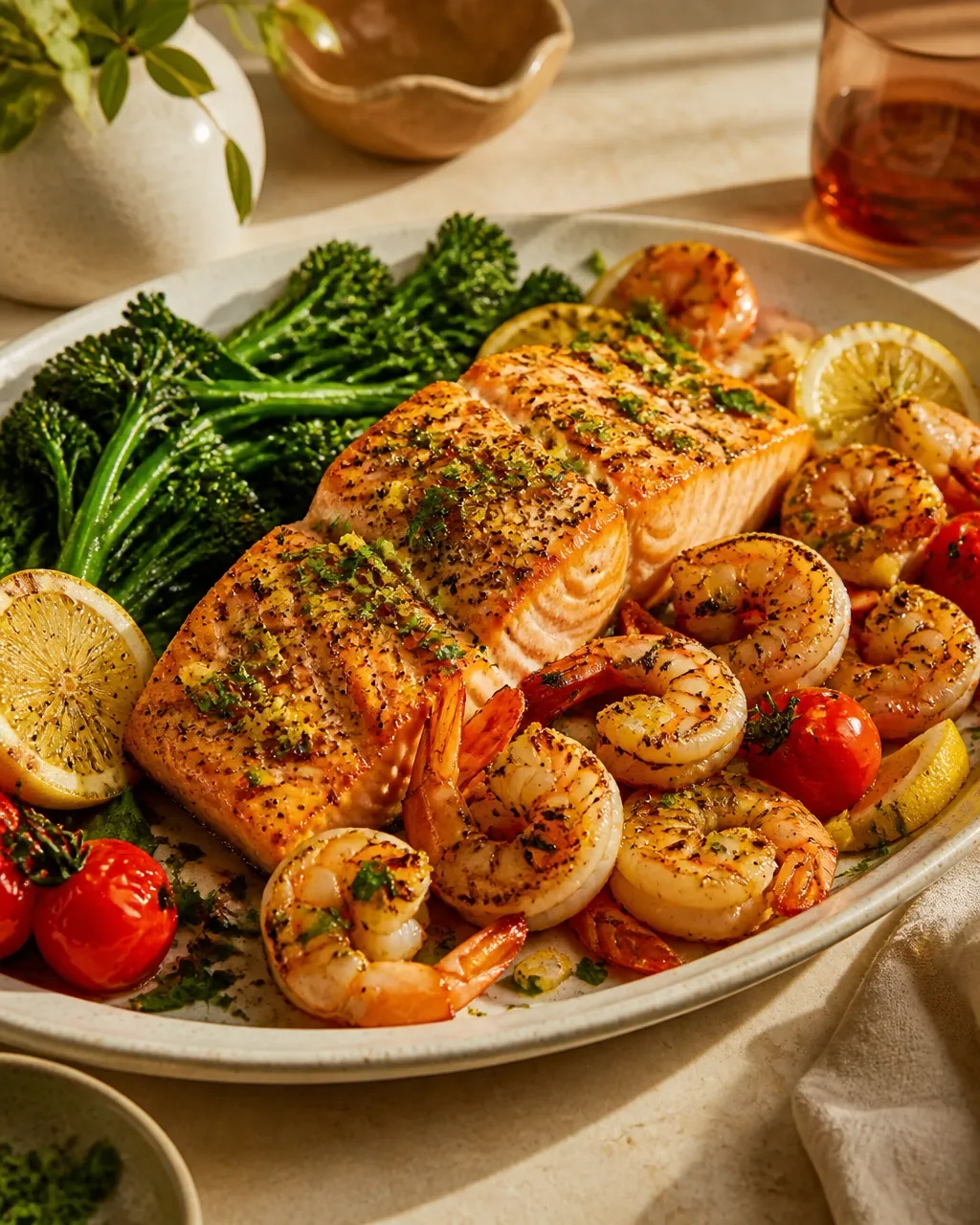
Welcome to the ultimate kitchen experiment where biology does all the heavy lifting. If you’ve always thought of "curing" as something only reserved for bearded artisans in the Scandinavian wilderness, I'm here to tell you that your refrigerator is basically a high-tech laboratory waiting for its first subject. We are diving deep into the world of home-cured salmon gravlax, a dish that feels incredibly fancy but is actually just a masterclass in the laws of physics and chemistry. If you can rub salt on a piece of fish and wait a day, you have officially mastered one of the most sophisticated healthy dinner ideas in the culinary world.
The Molecular Magic: Tips & Techniques of Osmosis
The secret to a perfect gravlax isn't a secret at all, it's osmosis. When you cover a fresh salmon fillet in a mixture of salt and sugar, you are creating a high-concentration environment outside the fish's cells. Nature hates an imbalance, so the water inside the salmon's cells rushes out to try and dilute that salt and sugar. This is why, after a few hours, you’ll see a pool of liquid forming around your fish. That’s not "juice" being wasted; that’s the moisture extraction process that transforms the texture from raw and flabby to firm and silky.
Use coarse sea salt or Kosher salt for this process. Avoid fine table salt at all costs. Why? Because fine grains dissolve too quickly and can penetrate the meat too aggressively, leading to a fish that tastes like a salt lick. Coarse salt dissolves slowly, creating a controlled "brine-as-it-goes" effect. This ensures the cure is even from the surface to the center.
Check the quality of your sugar as well. While salt handles the moisture extraction and microbial inhibition, sugar is there to manage the protein denaturation. Without sugar, the salt would turn the salmon into something resembling shoe leather. The sugar molecules intercalate between the protein strands, keeping them from bonding too tightly. This is what preserves that "melt-in-your-mouth" texture we all crave.
Maintain a strict 24-hour timeline for a "light cure." If you're looking for quick family meals that feel like a treat, this short-cycle cure keeps the fish delicate enough to pair with almost anything. Flip the fish every 12 hours. This is non-negotiable. Gravity pulls the brine to the bottom of the tray; flipping ensures both sides of the fillet receive equal osmotic pressure.
Weight your fish down. Use a heavy skillet or a couple of cans on top of a flat board. Applying physical pressure helps squeeze the moisture out faster and creates a more uniform, dense texture. Think of it as a low-temperature compression session for your seafood. While you might be tempted to pivot to your usual air fryer recipes dinner routine, remember that patience here yields a texture no heating element can ever replicate.
Colorful Chemistry: Exploring Variations
Once you understand the basic mechanics of the cure, you can start playing with the biochemistry of flavor. The most visually stunning variation is the Beetroot Cure. By adding grated raw beets to your salt and sugar mixture, you introduce betalains, water-soluble pigments that migrate into the salmon along with the cure. This results in a vibrant, deep-purple exterior that contrasts beautifully with the orange interior.
Experiment with alcohol as a solvent. Adding a splash of gin or vodka to the fish before applying the dry cure does more than just add flavor. Alcohol acts as a surfactant, helping the aromatic oils from herbs like dill or citrus zest penetrate deeper into the flesh. It also provides an extra layer of antimicrobial protection, though the salt is doing most of the heavy lifting there.
Try a "citrus-forward" approach by incorporating high concentrations of lemon and lime zest. Be careful with the juice, though! Citric acid will "cook" the fish (denature the proteins) in a process called acid-curing, similar to ceviche. If you want the silky texture of gravlax but the bright punch of citrus, stick to the zest, which contains the essential oils without the aggressive acidity of the juice.
For a more modern twist, incorporate toasted spices like coriander or fennel seeds. These spices contain fat-soluble compounds that will slowly infuse into the salmon's healthy fats over the 24-hour period. It transforms a simple piece of fish into a complex, aromatic centerpiece that rivals even the best air fryer recipes dinner for depth of flavor.
Balancing the Plate: Side Dish Pairings
Gravlax is a concentrated bomb of salt, fat, and umami. To make it work as part of your healthy dinner ideas rotation, you need to balance it with acidity and crunch. The classic pairing is a dark, dense pumpernickel or rye bread. The complex, earthy sugars in the rye provide a sturdy base for the fatty salmon.
Use a mustard-based "Hovmästarsås." This sauce traditionally combines Dijon mustard, sugar, vinegar, and dill. The vinegar provides the necessary acidity to cut through the richness of the fish, while the mustard acts as an emulsifier to bind the sauce together.
Pair your gravlax with something pickled. Whether it’s quick-pickled red onions or capers, that sharp hit of acetic acid cleanses the palate between bites. If you're serving this as a larger meal, consider a side of boiled new potatoes tossed in butter and fresh dill. The starch in the potatoes acts as a neutral canvas for the intense flavors of the cured fish. You could even serve it alongside a glossy linguine for a fusion of Nordic and Mediterranean styles that will definitely impress your guests.
The Curing Lab: Frequently Asked Questions
Is it safe to eat fish that hasn't been cooked with heat?
Yes, provided you start with high-quality, sushi-grade or "previously frozen" salmon. The freezing process kills parasites, and the curing process (specifically the salt) reduces "water activity" to a level where most spoilage bacteria cannot survive. However, you must keep the fish refrigerated at all times during the 24-hour cure.
What if my fish comes out too salty?
This usually happens if you used fine salt or left it in the cure for too long. If it's just a bit over-salted, give the fillet a quick rinse under cold water and pat it dry. If it's significantly over-salted, soak it in cold water for 15-30 minutes; osmosis will work in reverse, pulling some of the salt back out of the fish.
Can I use frozen salmon for this?
Absolutely. In fact, many professionals prefer it because the freezing process breaks down some of the cell walls, which actually helps the cure penetrate more quickly and evenly. Just ensure it is fully thawed and patted extremely dry before you start the process. Excess surface moisture will dilute your cure and mess with the osmotic gradient.
Why did my salmon turn gray in some spots?
This is typically a sign of oxidation or uneven contact with the cure. If certain areas weren't covered properly or were exposed to too much air, the fats can begin to oxidize. To avoid this, wrap your salmon as tightly as possible in plastic wrap once the cure is applied. This creates an anaerobic environment that preserves the vibrant color.
How long does home-cured gravlax last?
Once you've rinsed off the cure and patted the fish dry, it will stay fresh in the fridge for about 5 days. You can also freeze the finished product! Because the water content has been reduced, gravlax freezes much better than raw fish, maintaining its silky texture for up to two months. It’s one of my favorite quick family meals to keep in the freezer for unexpected brunch guests.
Does the thickness of the fillet matter?
Very much so. A thin tail piece will cure much faster than a thick center-cut fillet. If you have a particularly thick piece of fish (over 1.5 inches), you might want to extend your 24-hour cure to 36 hours. Always check the firmness of the thickest part of the fish before rinsing off the cure; it should feel noticeably tighter and more resilient than when it was raw.