Recipe
Servings
Servings 1×
Ingredients
- Chicken
- Pork
- Ground turkey
- Tofu
- Rice
- Eggs
- Cauliflower
- Broccoli
- Greens
- Cucumber
- Avocado
- Garlic
- Fresh ginger
- Cooking oil
- Soy sauce or tamari
- Sesame
- Chili seasoning
- Salt
Method
- Use a heavy skillet: cast iron or thick stainless steel is best for heat retention.
- Add your protein and let it sit undisturbed for at least two to three minutes.
- Let them bloom in the rendered fat for exactly 30 to 60 seconds.
- Use high heat and move fast.
- Add the cabbage and toss it vigorously to coat it in the rendered fats and aromatics.
- Add your sauce only when the cabbage has just started to wilt.
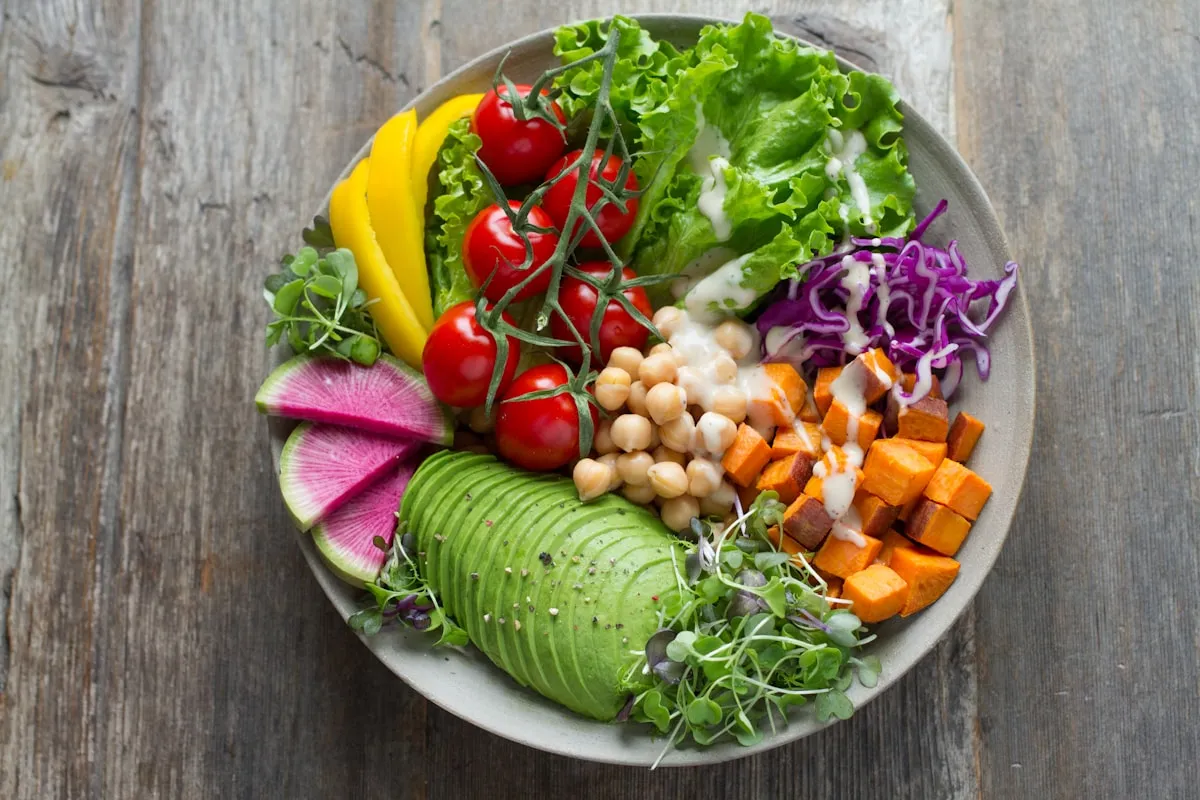
If you have ever craved the savory, umami-rich interior of an egg roll but wanted to skip the deep-fried, carb-heavy wrapper, you are in the right place. My "crack slaw": famously named for its addictive nature: is a staple in my kitchen when I need healthy dinner ideas that don't take an hour to prep. This dish is essentially a deconstructed egg roll, focusing on the complex chemical interplay of ginger, garlic, soy, and high-heat caramelization. It is fast, efficient, and frankly, a masterclass in flavor density.
The Maillard Engine: Engineering Superior Browning
The secret to a bowl that actually tastes like it came from a restaurant, rather than a home kitchen steam-basket, lies in the Maillard reaction. This is the chemical dance between amino acids and reducing sugars that occurs when food hits high heat (roughly 280°F to 330°F). If you toss your meat and cabbage into a cold pan, you’re just boiling them in their own juices. Instead, you need to treat your skillet like a high-performance engine.
Use a heavy skillet: cast iron or thick stainless steel is best for heat retention. Get it hot. Add your protein and let it sit undisturbed for at least two to three minutes. Do not move it. You are looking for a deep, golden crust to form. This "fond" (the brown bits stuck to the pan) is flavor gold. If you move the meat too early, you break the thermal contact, the temperature drops, and the moisture released from the meat will steam rather than sear.
Avoid crowding the pan. If you're doubling the recipe for quick family meals, cook the meat in batches. If the pan is too full, the steam can't escape fast enough, and your temperature will plummet below the Maillard threshold. Once you have that beautiful browning, push the meat to the edges and introduce your aromatics: ginger and garlic: to the center. Let them bloom in the rendered fat for exactly 30 to 60 seconds. This "blooming" process is essential because many flavor compounds in ginger and garlic are fat-soluble; they need that lipid medium to truly permeate the dish.
Hemicellulose Dynamics: The Secret to Crunchy Cabbage
Cabbage is roughly 92% water, held together by a sturdy structure of cellulose and hemicellulose. The goal is to heat the cabbage enough to soften those cell walls while evaporating enough surface moisture so it doesn't turn into a soggy mess. This is where most home cooks fail.
Check your cabbage for moisture before it hits the pan. If you used a bagged mix, pat it dry with a paper towel. Water is the enemy of texture here. Use high heat and move fast. Add the cabbage and toss it vigorously to coat it in the rendered fats and aromatics. You want to flash-cook it.
The timing of your liquid ingredients: soy sauce, rice vinegar, and toasted sesame oil: is critical. Salt and vinegar are hygroscopic; they draw water out of the cabbage through osmosis. If you add your liquids too early, your cabbage will dump its internal water into the pan, effectively braising itself. Add your sauce only when the cabbage has just started to wilt. Stir it in, let it glaze the ingredients for a minute, and then pull it off the heat immediately. The residual heat will finish the job without turning the cabbage into mush.
Strategic Modifications and Flavor Profiles
One of the best things about this dish is its versatility. While ground pork is the classic choice for its high fat content and rich mouthfeel, you can easily swap it for ground turkey or chicken. Just remember that leaner meats have less "thermal mass" in the form of fat, so you might need to add a tablespoon of avocado oil to ensure the Maillard reaction doesn't result in sticking.
For a plant-based twist, crumbled extra-firm tofu or tempeh works beautifully. The key here is to press the tofu for at least 20 minutes beforehand. Since tofu lacks the natural sugars found in meat, you may need a tiny splash of coconut aminos (which are slightly sweeter than soy sauce) to help the browning along.
If you like heat, don't just dump in sriracha at the end. Try adding a teaspoon of sambal oelek or red pepper flakes during the "blooming" phase with the garlic and ginger. This toasts the spices and integrates the heat into the oil, creating a more cohesive flavor profile rather than just a spicy topping. If you're looking for more air fryer recipes dinner ideas that hit these same flavor notes, check out our air fryer sausage and pepper medley.
Synergistic Pairings for a Balanced Plate
While this bowl is a complete meal on its own, adding a side can elevate the entire experience. Because the "crack slaw" is rich, salty, and fatty, you want a pairing that offers acidity or a clean, cooling contrast. A quick smashed cucumber salad with rice vinegar and a pinch of red chili flakes is the perfect scientific foil to the richness of the pork.
If you aren't strictly low-carb, serving this over a small bed of jasmine rice or cauliflower rice provides a mechanical structure to soak up the leftover sauce. I also love topping the bowl with a perfectly fried sunny-side-up egg. The lecithin in the runny yolk acts as a natural emulsifier, binding the soy and sesame flavors into a creamy, luxurious sauce that coats every strand of cabbage. For more inspiration on achieving that perfect glossy finish in your cooking, you might enjoy my guide on achieving the perfect glossy sauce.
Technical Troubleshooting and Common Queries
What if my dish is too watery?
This usually happens if you've crowded the pan or cooked the cabbage too long on low heat. If you see a pool of liquid at the bottom, push the solids to the side and let the liquid boil down for 60 seconds on high heat. Next time, ensure your pan is screaming hot before the cabbage goes in. You can also add a tiny, tiny pinch of xanthan gum (we’re talking 1/8th of a teaspoon) to the liquid to help it emulsify and cling to the cabbage.
Can I use a different vegetable base?
Absolutely. While cabbage is traditional, broccoli slaw or even shredded Brussels sprouts work wonders. Just keep in mind that Brussels sprouts are denser and will require an extra two minutes of cook time to lose their raw bitterness.
How do I store and reheat this for meal prep?
This is a meal-prep superstar. To maintain texture, slightly undercook the cabbage if you plan to reheat it later. When you microwave it, the cabbage will soften further. If you've gone all-out on your air fryer roast lately and need something lighter, this bowl keeps perfectly in an airtight container for up to four days.
Why does my ginger taste soapy?
If you use too much fresh ginger or don't cook it long enough, the gingerol compounds can feel overwhelming. Ensure you grate it finely so it distributes evenly and always give it that 30-second "bloom" in the hot oil to mellow the sharp bite.
Is coconut aminos a 1:1 swap for soy sauce?
Not exactly. Coconut aminos are significantly lower in sodium and higher in sugar. If you make the switch, you may need to add a pinch of salt to achieve the same umami depth. However, for those watching their soy or sodium intake, it’s a fantastic scientific substitute that still encourages beautiful browning.
Avoid overcomplicating it. This recipe is about heat, speed, and timing. Once you master the Maillard reaction and the moisture control of the cabbage, you’ll never look at a takeout menu the same way again. Check your pantry, fire up that skillet, and let's get cooking.