Recipe
Servings
Servings 1×
Ingredients
- Eggs
- Bread
- Greens
- Mustard
- Cooking oil
Method
- Let’s be honest: the best part of a cheeseburger isn’t the bun.
- Use a heavy cast-iron or stainless steel skillet.
- Pat the meat dry with a paper towel before it hits the pan; water is the enemy of the sear because of the latent heat of vaporization.
- Spread the meat in an even layer and blast it at 400°F for about 8-10 minutes, shaking halfway through.
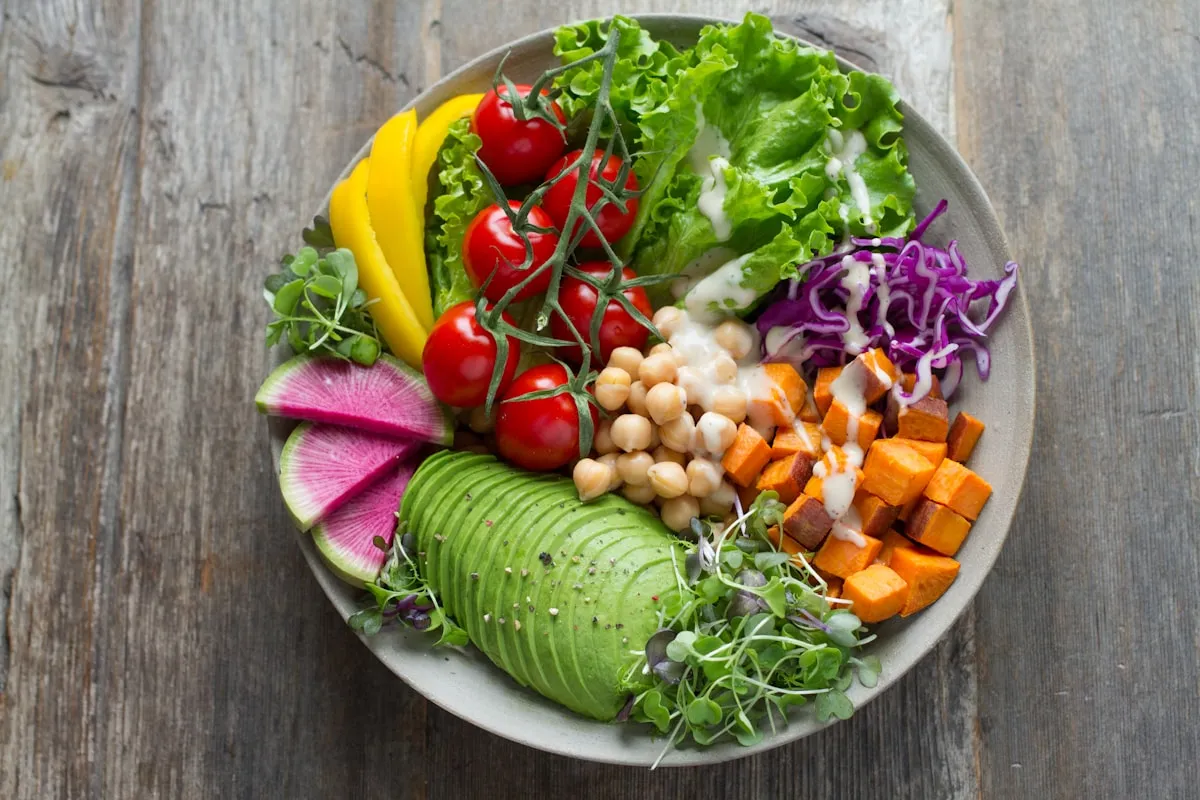
Let’s be honest: the best part of a cheeseburger isn’t the bun. It’s the interplay of rendered fat, the sharp hit of vinegar from the pickles, and that deep, savory crust on the beef. When you strip away the bread, you aren’t "missing out", you’re just clearing the path for the chemical heavy hitters to shine. This Low-Carb Cheeseburger Salad is a masterclass in structural flavor, designed for those who want the indulgence of a drive-thru without the subsequent glycemic nosedive. It’s one of those healthy dinner ideas that actually feels like a cheat meal.
The Chemistry of the Perfect Crumble
To get this right, you have to respect the Maillard reaction. This isn’t just "browning"; it’s a complex chemical dance where amino acids and reducing sugars rearrange themselves under high heat to create hundreds of new flavor compounds. Most home cooks fail here because they treat ground beef like a soup. If you throw cold meat into a lukewarm pan and start frantically stirring, you’re just boiling it in its own interstitial fluids.
Stop the madness. Use a heavy cast-iron or stainless steel skillet. These materials have the thermal mass required to maintain temperature when the meat hits the surface. Ensure your pan is screaming hot, we’re talking 140–150°C (roughly 300°F) at the surface. Pat the meat dry with a paper towel before it hits the pan; water is the enemy of the sear because of the latent heat of vaporization. The energy that should be browning your beef will instead be wasted turning surface moisture into steam.
Once the meat is in, leave it alone. Let that crust form. This maximizes the pyrazines and thiophenes that give us those "roasty" and "meaty" notes. Only when a deep mahogany crust has developed should you break it into smaller clusters. This provides the structural integrity needed to stand up to a heavy dressing without turning into a soggy mess. For those nights when you’re looking for quick family meals, mastering this high-heat technique is the difference between a sad salad and a culinary win.
Emulsification: The Secret to Special Sauce
Your "Special Sauce" is more than just a condiment; it’s a stable emulsion. Oil and water-based liquids (like vinegar or pickle brine) are naturally immiscible, they want to stay separate. To force them into a creamy, cohesive union, you need an emulsifier. In our case, we’re leaning on egg yolk lecithin (found in mayonnaise) and the mucilage in mustard.
When you whisk these together, the emulsifiers act as a bridge, surrounding tiny droplets of oil and preventing them from coalescing. This creates a viscous, tongue-coating texture that carries flavor more efficiently than a broken sauce. If your sauce looks greasy or "split," it means your oil droplets have merged back together. Fix it by adding a teaspoon of warm water or a tiny bit more mustard and whisking vigorously.
Don’t forget the science of turgor pressure in your greens. Romaine lettuce is roughly 95% water. To keep it crisp, keep it cold. A quick soak in an ice-water bath can "recharge" the cellular structure of the leaves, making them rigid and snappy. Spin them bone-dry before assembling; any leftover water on the leaves will dilute your perfectly emulsified sauce and ruin the mouthfeel.
Technical Variations for Every Palate
If you want to push the boundaries of this dish, consider a "Smash-Salad" approach. Instead of loose crumbles, press small balls of beef flat against the hot metal of the skillet using a heavy spatula. This increases the surface-area-to-volume ratio, resulting in more Maillard crust per bite. It’s a texture-forward modification that mimics the crispy edges of a premium diner burger.
For those seeking a spicy profile, remember that capsaicin, the compound that makes peppers hot, is fat-soluble. By incorporating chopped jalapeños directly into the beef as it renders, you allow the capsaicin to infuse into the fat, which then coats your entire palate more evenly than if you simply sprinkled them on top.
If you are leaning into air fryer recipes dinner vibes, you can actually "roast" your beef crumbles in the basket. Spread the meat in an even layer and blast it at 400°F for about 8-10 minutes, shaking halfway through. You’ll get a surprisingly uniform crispness that’s reminiscent of the toppings on a high-end pizza. This is a great shortcut for quick family meals where you don't want to stand over a splattering stove.
Side Dish Pairings: Balancing the Lipids
A cheeseburger salad is rich in lipids and proteins, so your side dishes need to provide high-contrast acidity or crunch.
- Air-Fried Radish "Fries": Radishes lose their peppery bite and become remarkably potato-like when roasted. Toss them with olive oil and salt, then air fry until golden. The slight bitterness cuts through the richness of the cheddar and beef. For more inspiration on one-basket solutions, check out our Air Fryer Sausage and Pepper Medley.
- Quick-Pickled Onions: Submerging thinly sliced red onions in a mixture of apple cider vinegar and salt for 15 minutes creates a bright, acidic pop. This acidity acts as a palate cleanser, resetting your taste buds between bites of savory beef.
- Keto-Friendly Roast Veggies: If you want something heartier, a side of roasted brassicas (like broccoli or cauliflower) provides a nutty, charred flavor that complements the beef. You can even adapt the techniques from our Kielbasa Pierogi Air Fryer Roast to swap the pierogis for low-carb radishes or turnips.
FAQ: Solving the "Why" Behind the "How"
Why did my beef turn gray instead of brown?
You likely crowded the pan or used meat with too high a water content. When you put too much meat in at once, the temperature of the pan drops too low to trigger the Maillard reaction. Instead, the meat releases its moisture, and because it can't evaporate fast enough, the beef ends up steaming. Cook in batches if necessary.
Is it okay to use lean ground beef?
You can, but you'll sacrifice flavor. The "burger" taste we crave is largely stored in the fat. An 80/20 (lean to fat) ratio is the industry standard for a reason. If you go too lean (95/5), the meat will be dry and won't develop that signature mouthfeel. If you must use lean meat, compensate by adding a bit more fat to your dressing to maintain the lipid balance.
My special sauce is too thin. How do I fix it?
A thin sauce usually means your emulsion is weak. Add a small dollop of mayonnaise or a half-teaspoon of xanthan gum (if you’re a keto pro) to increase the viscosity. Remember, the sauce should "cling" to the lettuce, not pool at the bottom of the bowl.
Can I make this for meal prep without it getting soggy?
Absolutely, but keep the components separate. Store the cooked beef, the fresh greens, and the dressing in three different containers. Only combine them at the moment of consumption. If you dress the salad ahead of time, the salt in the dressing will draw water out of the vegetables via osmosis, leaving you with a wilted, watery mess by lunchtime.
Does this count as one of your healthy dinner ideas if it has cheese?
Health is relative to your dietary goals. For a low-carb or keto lifestyle, the fats and proteins in the cheese and beef provide essential satiety and energy without triggering a massive insulin spike. It’s a nutrient-dense, high-protein option that keeps you full much longer than a standard grain-based bowl.
Can I use a different cheese?
Yes, but consider the melting point. A sharp cheddar provides a great flavor contrast, while a Monterey Jack will give you a superior "stretch." Avoid pre-shredded cheeses if possible; they are often coated in potato starch or cellulose to prevent clumping, which can add unnecessary carbs and interfere with a smooth melt.