Recipe
Servings
Servings 1×
Ingredients
- Chicken
- Chickpeas
- Pasta
- Noodles
- Bread
- Potatoes
- Broccoli
- Asparagus
- Mushrooms
- Lemon
- Balsamic vinegar
- Tahini
- Coconut milk
- Cream
- Hard cheese
- Soy sauce or tamari
Method
- Use a wide, heavy-bottomed pot and cook your mushrooms in batches if you have to.
- Let them sit, let them brown, and only stir when they release easily from the bottom.
- Let it cool for sixty seconds, then stir like your life depends on it.
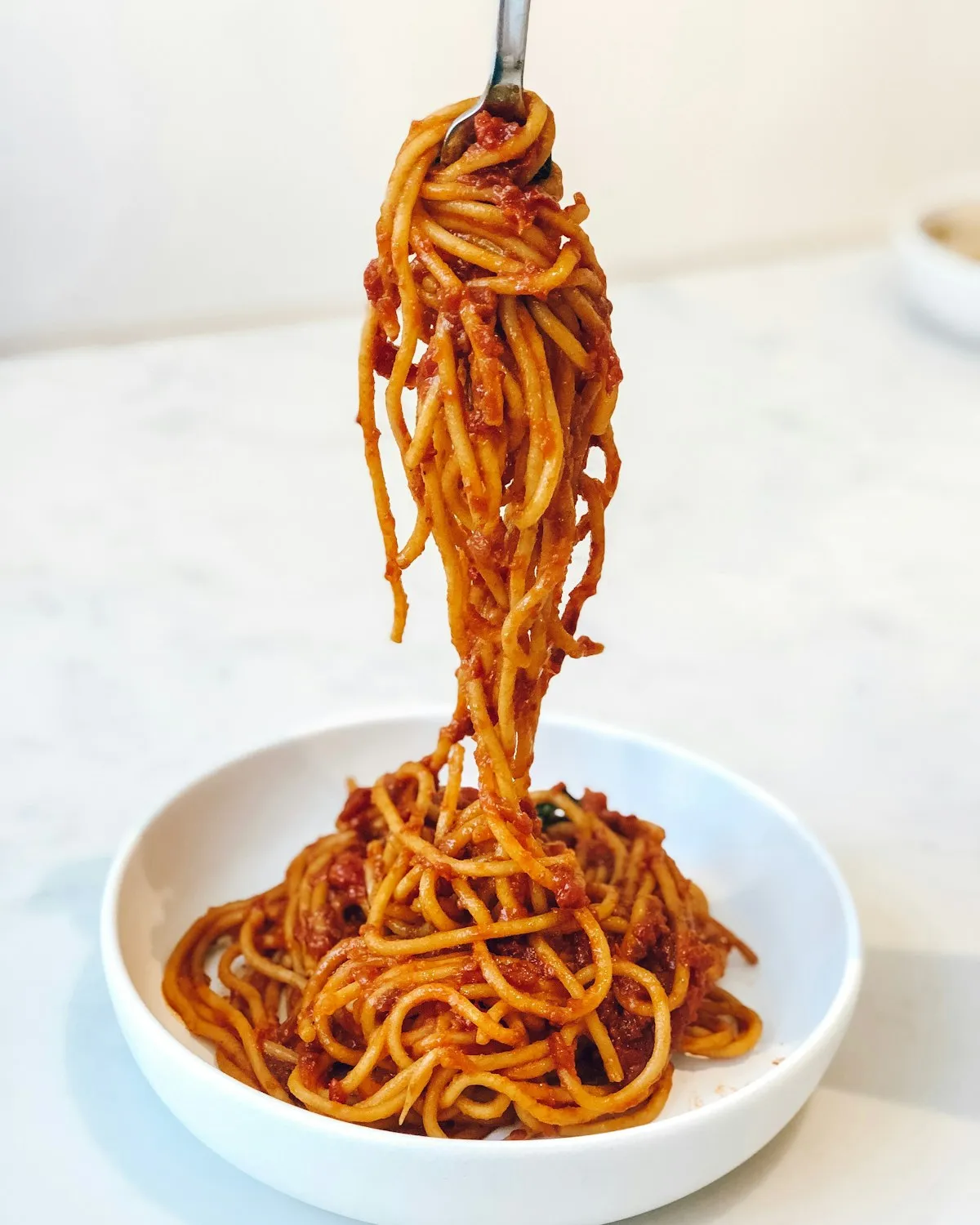
There is a specific kind of magic that happens when you stop treating a pot like a vessel and start treating it like a laboratory. Most people think of "one-pot" meals as a compromise, a way to save on dishes at the expense of texture. We’ve all been there: the pasta is gummy, the sauce is watery, and the vegetables look like they’ve given up on life. But I’m here to tell you that when it comes to a creamy mushroom and thyme pasta, the one-pot method isn’t just easier; it is scientifically superior.
By cooking the pasta directly in the sauce base, you capture every molecule of starch that would normally disappear down your kitchen drain. That starch is the secret to a glossy, restaurant-quality emulsion that clings to every noodle. When you pair that silky texture with the deep, earthy "umami bomb" of properly browned mushrooms, you get a meal that feels incredibly sophisticated but actually fits into your rotation of quick family meals. It’s soulful, it’s simple, and it’s about to become your new weeknight obsession.
The Science of the Sear and the Starch
If you want your pasta to taste like something more than "brown and salty," you have to respect the Maillard reaction. This is the chemical process where amino acids and reducing sugars in your mushrooms react under heat to create hundreds of new flavor compounds. Most home cooks fail here because they are impatient. They dump all the mushrooms into the pot at once, causing the temperature to plummet. Instead of searing, the mushrooms begin to steam in their own released moisture. You end up with gray, rubbery bits instead of golden-brown nuggets of joy.
Crowd the pan at your own peril. Use a wide, heavy-bottomed pot and cook your mushrooms in batches if you have to. You want a high-heat environment where the moisture evaporates the second it hits the surface. Look for a deep, "pumpkin-spice" orange color. That color is a visual indicator that the glutamate and nucleotides, the natural chemicals responsible for umami, have intensified. Avoid moving the mushrooms too much. Let them sit, let them brown, and only stir when they release easily from the bottom.
Once the mushrooms are deeply caramelized, you transition to the "one-pot" phase. This is where the physics of healthy dinner ideas gets interesting. When you boil pasta in a large volume of water, you dilute the starch. In a one-pot scenario, you are essentially creating a concentrated starch slurry. As the pasta cooks, the granules swell and release amylose and amylopectin into the cooking liquid.
These starch molecules act as a "soft-matter dispersion" stabilizer. In a traditional cream sauce, the fat from the cheese or cream wants to separate from the water-based broth. Starch prevents this by physically blocking the fat droplets from merging. This is why a one-pot sauce looks so much creamier than a standard "pour-on-top" sauce. Aim for a starch concentration of about 1% to 4% by weight of your cheese; any more and the sauce becomes gloopy, any less and it breaks.
Finally, master the "mantecatura." This is the Italian technique of vigorous stirring at the very end of the cooking process, usually off the heat. By stirring quickly, you are mechanically breaking down fat droplets into smaller sizes while the starch-heavy liquid coats them. This creates a stable emulsion that provides a luxurious mouthfeel without needing a quart of heavy cream. Check the temperature before adding your cheese; if the pot is above 65°C (150°F), the proteins in the cheese will coagulate into rubbery clumps. Let it cool for sixty seconds, then stir like your life depends on it.
Flavor Profiles and Creative Variations
While the classic combination of mushroom and thyme is hard to beat, you can easily pivot this dish to suit what’s in your pantry. If you are looking for quick family meals that offer a bit more protein, consider folding in some leftover rotisserie chicken or even some crispy chickpeas at the end. The chickpeas, in particular, add a fantastic textural contrast to the soft noodles and meaty mushrooms.
Don’t limit yourself to basic white button mushrooms. While they are affordable and accessible, mixing in oyster mushrooms or shiitakes will drastically change the flavor profile. Oyster mushrooms bring a delicate, almost seafood-like sweetness, while shiitakes offer a much more intense, smoky earthiness. If you’re feeling adventurous, use a splash of balsamic vinegar or soy sauce during the browning stage. The acidity of the vinegar or the fermented depth of the soy sauce acts as a flavor bridge, highlighting the earthy notes of the thyme.
For those who want to keep things strictly plant-based, you can swap the dairy for a high-quality cashew cream or full-fat coconut milk. If using coconut milk, be sure to add a little extra lemon juice or a pinch of nutritional yeast to cut through the coconut’s natural sweetness and mimic the tang of parmesan. You can even experiment with your herbs. Thyme is the gold standard here because its woody aroma complements the earthiness of the mushrooms, but sage or rosemary can work beautifully if used sparingly. Just remember: woody herbs like these should be added early in the cooking process to allow their oils to infuse the fat.
Perfect Pairings: Balancing the Richness
Because this pasta is inherently rich and creamy, your side dishes need to provide a sharp, acidic counterpoint. A heavy meal needs a "brightness" to wake up your palate between bites. My go-to is a simple arugula salad with a lemon-tahini dressing. The peppery bite of the arugula cuts right through the starch and fat of the pasta, making each forkful of noodles feel as exciting as the first.
If you want something warm, try a quick side of air-fried broccoli or asparagus. Much like our air fryer recipes dinner collection, the goal here is char. The slightly bitter, charred edges of the vegetables provide a necessary contrast to the smooth sauce. If you’re feeling extra, a side of crusty sourdough bread is never a bad idea, not just for the crunch, but to swipe up any remaining sauce left on the plate.
Avoid sides that are overly starchy or creamy, like mashed potatoes or creamy slaws. You want to avoid "plate fatigue," which happens when every item on the dish has the same texture. Think about balance: soft pasta, meaty mushrooms, crunchy greens, and acidic dressing. That is the secret to a professional-feeling meal at home. For more inspiration on building balanced plates, you can check out some of our other one-basket crowd pleasers.
FAQ: Troubleshooting Your One-Pot Pasta
Why is my sauce grainy or clumpy instead of smooth?
This is almost always a temperature issue. If you add your parmesan or pecorino while the liquid is still boiling, the proteins in the cheese will "denature" and stick to each other, creating those annoying rubbery clumps. This is a one-way chemical reaction; you cannot "un-clump" it. Always remove the pot from the heat and wait about a minute before stirring in your cheese.
My mushrooms released a lot of water and now they’re soft. Can I fix it?
If your mushrooms have already started to boil in their own liquid, don’t panic. Increase the heat to high and let that liquid evaporate completely. Once the pot is dry, add another teaspoon of oil and let them sit undisturbed. They will eventually start to brown, though they might be slightly smaller and denser than if you had seared them properly from the start.
Can I use gluten-free pasta for this one-pot method?
Yes, but you have to be very careful. Gluten-free pastas (especially those made from rice or corn) release a different type of starch that can become very "slimy" if overcooked. I recommend checking the pasta two minutes before the package says it should be done. You may also need slightly less liquid, as gluten-free noodles don’t always absorb water at the same rate as wheat-based ones.
What if the liquid evaporates before the pasta is cooked?
This is a common "what if" for healthy dinner ideas. Simply keep a kettle of hot water or broth nearby. If the pasta is still crunchy but the pot is looking dry, add about a quarter-cup of liquid at a time. It’s exactly like making a risotto: you want to add just enough liquid to keep the process moving without drowning the noodles.
How do I store and reheat leftovers without the sauce disappearing?
One-pot pasta is notorious for "drinking" the sauce as it sits in the fridge. The starch continues to absorb moisture even after it's cold. When you’re ready to reheat, don’t just pop it in the microwave. Put the pasta back in a skillet with a splash of water, milk, or broth. Heat it gently and stir; the liquid will re-emulsify with the existing starch and bring that glossy texture back to life. For more tips on making the most of your leftovers, take a look at our garlic butter ramen hacks.