Recipe
Servings
Servings 1×
Ingredients
- Chicken
- Rice
- Bread
- Onion
- Lime
- Cooking oil
- Chili seasoning
Method
- Make it once and you’ll understand why one pot meals are basically the adult version of a life hack.
- Use long-grain rice (think basmati or standard long-grain) if you want distinct grains instead of a creamy, risotto-ish vibe.
- Drain it well so you don’t accidentally add extra water and sabotage your liquid ratio.
- Start with searing the chicken.
- Warm them briefly in the pot (30 seconds-ish) before adding liquid.
If your weeknights need less chaos and more “wow, I cooked that,” this one’s for you. One-pot chicken fajita rice is the Tex-Mex comfort move that keeps your sink empty and your table loud (in a good way). You get juicy chicken, char-kissed peppers and onions, and rice that soaks up bold spices like it was born for the job. Make it once and you’ll understand why one pot meals are basically the adult version of a life hack.
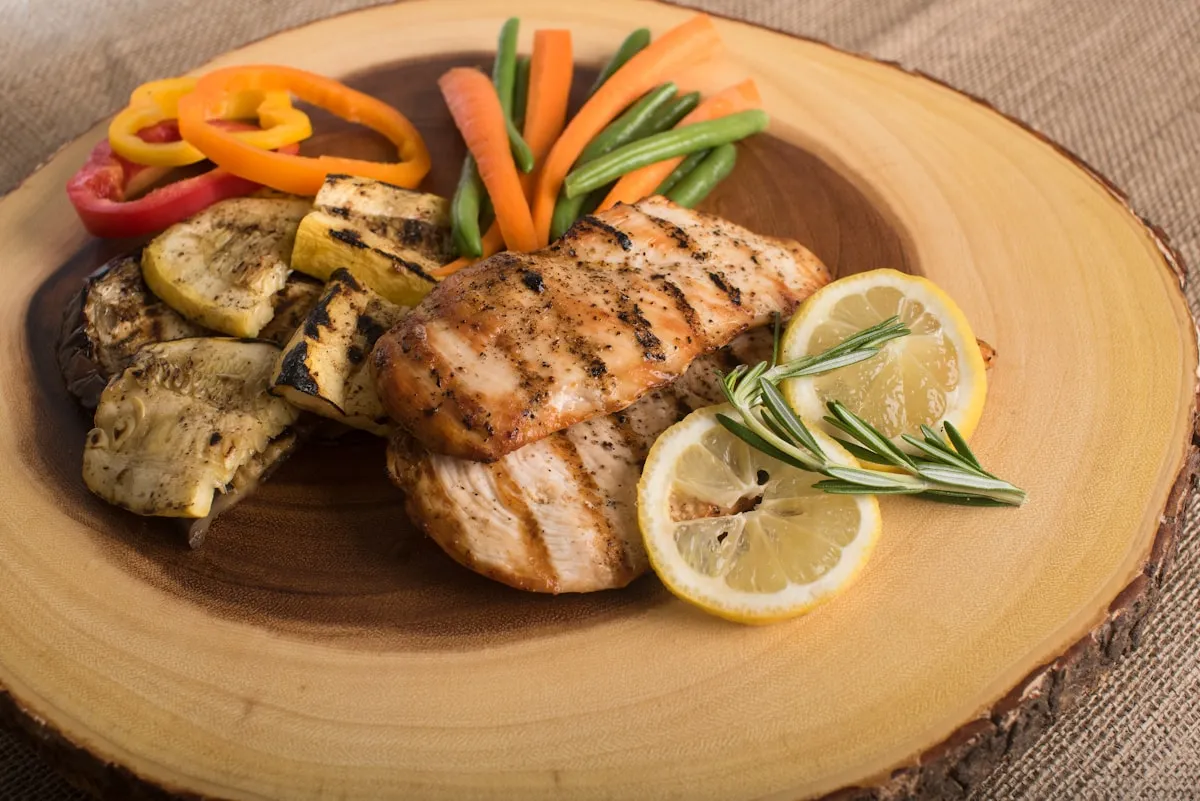
Starch Management 101: How One Pot Meals Turn Liquid Into “Sauce”
One pot meals are sneaky-good because they use starch as a tool, not a side effect. Rice releases starch as it cooks, especially when it’s stirred aggressively or boiled too hard, and that starch thickens the cooking liquid. The trick is to get enough starch for a cozy, clingy texture without pushing into “why is this glue?” territory.
Use long-grain rice (think basmati or standard long-grain) if you want distinct grains instead of a creamy, risotto-ish vibe. Long-grain rice has a starch structure that tends to stay more separate. Short-grain rice is delicious, but it’s built for cling. In a fajita skillet situation, cling can quickly become clump.
Also: rinse your rice. Do it even if you’re tired. Rinsing removes surface starch, the stuff that makes rice go gummy fast in one-pot methods. Drain it well so you don’t accidentally add extra water and sabotage your liquid ratio.
The Non‑Negotiable: Toast the Rice for Better Texture (and Flavor)
Toasting rice in a little oil before adding broth is the difference between “fine” and “I can’t stop eating this straight from the pan.” When you toast:
- You coat the grains in fat, which helps slow down how quickly starch hits the liquid.
- You add a subtle nutty depth that plays ridiculously well with cumin and chili powder.
- You reduce the chances of the rice turning mushy because the outer layer gets a bit more resilient.
Keep the toast short. Aim for 1–2 minutes. Don’t chase a deep brown color; you’re not making popcorn.
Build Tex-Mex Flavor in Layers (Don’t Dump-and-Pray)
For bold fajita flavor, rely on layering instead of just adding more spice at the end.
Start with searing the chicken. Browning equals flavor because of the Maillard reaction (aka the “tastes like you tried” reaction). Those browned bits on the bottom of the pot are free seasoning. Don’t lose them, use your broth to lift them back into the dish.
Next, hit the peppers and onions with high heat. You want a little char. Fajitas without those toasty edges taste… polite. And this dinner shouldn’t be polite.
Then bloom the spices in fat. Cumin, chili powder, paprika, oregano, these are oil-loving flavors. Warm them briefly in the pot (30 seconds-ish) before adding liquid. This wakes up their aromatics so the whole dish tastes bigger, not just “spicy.”
Finish with acid. Lime juice at the end is not optional if you want the dish to feel balanced. Acidity cuts through richness, makes the peppers taste sweeter, and stops the whole thing from reading as “brown and heavy.”
Liquid Ratio + Heat Control: The Two Levers That Decide Your Rice’s Fate
One-pot rice is basically a steam project disguised as dinner. Your job is to control two things: how much liquid and how aggressively it cooks.
- Keep the simmer gentle. A hard boil smacks rice grains around, breaks them, and releases too much starch. That’s how you end up with mush.
- Use a tight lid. Steam is part of the cooking method, not an accident. If your lid leaks like a gossip, your rice cooks unevenly and you’ll be tempted to add extra broth (which can lead to sogginess later).
- Avoid stirring once the rice is in and the liquid is added. Stirring releases starch and encourages sticking. Stir once to distribute everything evenly, then back away.
If you’re cooking this as part of your rotation of quick family meals, this is the part that makes it reliable. Get the heat low and steady; let the pot do its job.
Resting Is Cooking (Yes, Really)
When the heat goes off, the rice isn’t “done-done.” It’s finishing with carryover heat and steam redistribution. Rest the pot covered for 5–10 minutes. This sets the texture so you fluff rice instead of smearing it.
Want that restaurant-style “fluffy but juicy” result? Rest it. Want wet rice on the bottom and dry rice on top? Skip it.
Variations That Still Respect the One-Pot Rules
Use these swaps without wrecking your texture.
1) Creamy fajita rice (without turning it into mush)
Stir in sour cream, Greek yogurt, or shredded cheese after the rice is cooked and rested. Adding dairy too early can make the dish heavy and can interfere with how the grains absorb liquid. Finish it off-heat so it melts smoothly.
2) Spicy chipotle version
Add chipotle in adobo (go easy; it’s potent). This brings smoke and heat that feels more “taco truck” than “taco night.” Use lime at the end to keep the smoke from tasting flat.
3) Black bean + corn “burrito bowl” vibe
Add well-drained beans and corn. Drain aggressively, extra can liquid is a stealth texture killer. This variation is fantastic when you’re trying to stretch the meal without stretching your patience.
4) Swap the protein
Use boneless thighs for juicier results and more forgiveness if you slightly overcook. Use shrimp only at the end, shrimp cooks fast and turns rubbery if it simmers with the rice the whole time.
5) Make it lighter without making it sad
Lean into peppers/onions and add a handful of chopped spinach at the end to wilt. This keeps it in the “healthy dinner ideas that don’t feel like punishment” category. Use extra lime and cilantro to keep everything bright.
Side Dish Pairings (Balance the Bold)
One-pot chicken fajita rice is rich, warm, and spiced. Pair it with sides that add crunch, acid, or coolness.
- Crisp green salad with citrus dressing: Use romaine or shredded cabbage. Add lime juice and a little oil. Use acidity to cut the rice’s richness and reset your palate.
- Pico de gallo or a quick tomato salsa: Fresh tomato + onion + jalapeño brings crunch and moisture without adding heaviness. Spoon it over the top right before eating.
- Guacamole or sliced avocado: Use creamy fat to soothe the spices. Add extra lime and salt so it doesn’t taste bland next to the bold rice.
- Roasted fajita veggies on the side: Double down on peppers and onions for a veggie-heavy plate. Use char for bitterness (in a good way) and keep the meal feeling balanced.
- If you want an air-fryer side: Make peppers/onions in a different format for extra texture, check out our related Cookpedia post for inspiration: Air Fryer Sausage, Pepper & Onion Medley.
FAQ: Fixes, “What Ifs,” and Rice Reality Checks
What if my rice is still hard but the liquid is gone?
Your heat was likely too high or your lid leaked steam. Add a small splash of hot broth (not a whole cup), cover tightly, and cook on low for a few more minutes. Use small additions so you don’t overshoot into soggy territory.
What if my rice is mushy?
Mushy rice usually comes from one of these: too much liquid, too much stirring, too hard a boil, or using a rice that naturally goes sticky. Next time, rinse the rice, toast it briefly, and keep the simmer gentle. Also: don’t treat this like a soup you can keep stirring “to help it.” Stirring is not help.
What if the bottom burns before the rice is done?
Your pot is too hot or too thin. Use a heavier pan (Dutch oven or deep skillet) and drop the heat once you hit a gentle boil. Burning is more about heat intensity than cooking time. Scraping is fine; scorching is not.
What if my chicken turns dry?
Chicken breast dries out fast if it overcooks during the rice simmer. Sear it for color, then keep it from overcooking by adding it back near the end (or letting it rest and folding it in after the rice finishes). Use thighs if you want the most forgiving version.
What if the fajita flavor tastes dull?
You’re missing acid or salt, or you didn’t bloom your spices. Add lime juice at the end and salt to taste. Also, make sure you browned something in the pot (chicken or veggies). One pot meals need those browned bits to keep the flavor from tasting flat.
Can I use brown rice?
Yes, but don’t pretend it’s a simple swap. Brown rice takes longer and needs more liquid. If you try to cook it like white rice, you’ll get crunchy grains and frustration. Use a tested brown-rice ratio and expect a longer simmer time.
Can I make it ahead for meal prep?
You can, but rice keeps absorbing moisture as it sits. Store it airtight and reheat with a splash of broth to loosen the texture. For best results, keep toppings (cilantro, lime, avocado, salsa) separate and add them fresh.
Can I make this count as one of those “healthy dinner ideas” without losing the fun?
Yes: keep portions sensible, add extra peppers and onions, and finish with lime/cilantro to boost flavor without extra fat. Use thighs if you want juicy results; use breast if you want leaner macros. Either way, don’t skip the spices. “Healthy” doesn’t mean “underseasoned.”
Is this one of those “air fryer recipes dinner” situations?
Not the main method: this one is a stovetop one-pot meal. But you can air-fry toppings (like extra fajita veggies) to add char and crunch while the rice simmers.
If you’re on a one-pot kick, also check out our one-pot pasta technique post: different cuisine, same “less dishes, more flavor” energy: Spicy Tomato & Basil One-Pot Linguine: Achieving the Perfect Glossy Sauce.
{“@type”:”Article”,”image”:[“https://cdn.marblism.com/Y2Or8y_xVbb.webp”,”https://cdn.marblism.com/BxjQ2RUOQ3t.webp”,”https://cdn.marblism.com/ulE4pAbtE3H.webp”,”https://cdn.marblism.com/vaFgt4JCFcL.webp”],”author”:{“name”:”Cookpedia”,”@type”:”Person”},”@context”:”https://schema.org”,”headline”:”One-Pot Chicken Fajita Rice”,”publisher”:{“url”:”https://cookpedia.com”,”name”:”Cookpedia”,”@type”:”Organization”},”mainEntity”:[{“name”:”What if my rice is still hard but the liquid is gone?”,”@type”:”Question”,”acceptedAnswer”:{“text”:”Add a small splash of hot broth, cover tightly, and cook on low for a few more minutes. Hard rice usually means the pot ran too dry from high heat or a leaky lid.”,”@type”:”Answer”}},{“name”:”What if my rice is mushy?”,”@type”:”Question”,”acceptedAnswer”:{“text”:”Mushy rice comes from too much liquid, too much stirring, or boiling too hard. Rinse and briefly toast the rice, keep a gentle simmer, and avoid stirring once covered.”,”@type”:”Answer”}},{“name”:”What if the bottom burns before the rice is done?”,”@type”:”Question”,”acceptedAnswer”:{“text”:”The heat is too high or the pan is too thin. Use a heavy pot, reduce to low after it reaches a gentle boil, and keep the lid tight so it steams evenly.”,”@type”:”Answer”}},{“name”:”What if my chicken turns dry?”,”@type”:”Question”,”acceptedAnswer”:{“text”:”Sear for browning, then avoid over-simmering by folding the chicken back in near the end or after resting. Use thighs for a juicier, more forgiving result.”,”@type”:”Answer”}},{“name”:”Can I use brown rice?”,”@type”:”Question”,”acceptedAnswer”:{“text”:”Yes, but brown rice needs more liquid and a longer simmer time than white rice. Treat it as a different cook, not a 1:1 swap.”,”@type”:”Answer”}},{“name”:”Can I make it ahead for meal prep?”,”@type”:”Question”,”acceptedAnswer”:{“text”:”Yes. Rice absorbs liquid as it sits, so reheat with a small splash of broth. Keep toppings like lime, cilantro, salsa, and avocado separate and add fresh.”,”@type”:”Answer”}}],”description”:”A bold, Tex-Mex one-pot meal that combines seared chicken, fajita peppers and onions, and perfectly cooked rice—plus science-based tips for preventing mushy rice and building layered flavor.”,”dateModified”:”2026-06-01″,”datePublished”:”2026-06-01″,”mainEntityOfPage”:{“@id”:”https://cookpedia.com/”,”@type”:”WebPage”}}