Recipe
Servings
Servings 1×
Ingredients
- Salmon
- Avocado
- Garlic
- Lemon
- Lime
- Butter
- Cooking oil
Method
- Pat your fish bone-dry with paper towels before it ever touches the oil.
- Use a high-smoke-point oil like avocado oil.
- Use an instant-read thermometer and pull the salmon off the grill when the internal temperature hits 125°F to 130°F.
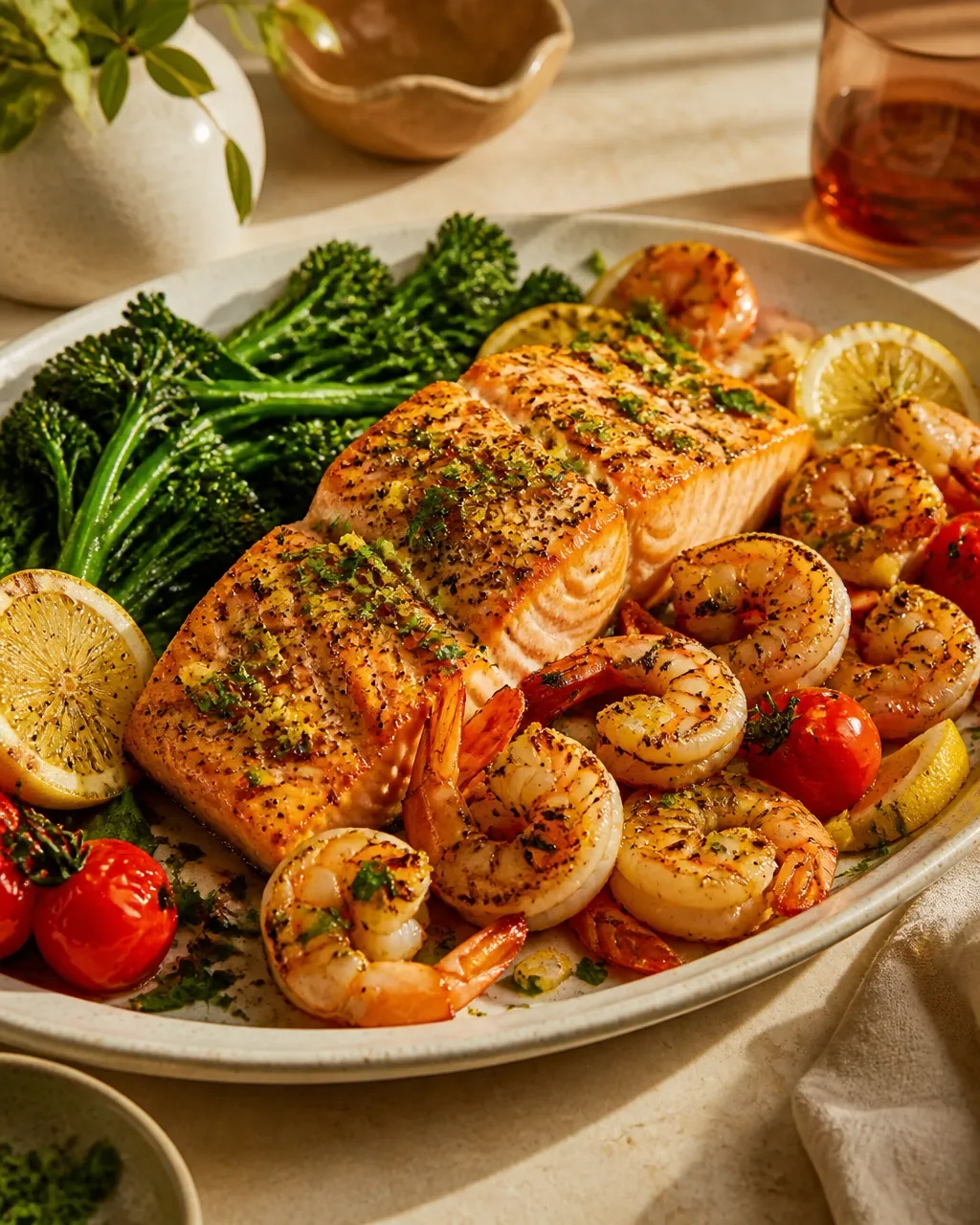
Getting dinner on the table during a busy week shouldn’t feel like a chore, but it also shouldn’t taste like a compromise. When you’re looking for healthy dinner ideas that don't skimp on flavor or healthy fats, salmon is my absolute go-to. It’s elegant enough for a weekend treat but fast enough for a Tuesday night. This grilled salmon is light, punchy, and fits perfectly into a keto lifestyle without making you feel like you're "dieting."
The Science of the Perfect Sear
If you’ve ever had salmon that was dry on the inside and rubbery on the outside, you’ve been a victim of poor moisture management. The secret to that restaurant-quality crust, whether you are grilling or looking for quick family meals, lies in the Maillard reaction. This is the chemical reaction between amino acids and reducing sugars that gives browned food its distinctive flavor. To achieve this on a grill, you must eliminate the enemy: surface moisture.
Pat your fish bone-dry with paper towels before it ever touches the oil. If the skin is wet, the heat of the grill will be spent boiling off that water (steaming the fish) rather than searing the proteins. Use a high-smoke-point oil like avocado oil. Avoid butter for the initial sear, as the milk solids will burn at the high temperatures required for a good crust. Save the butter for finishing, where it can add richness without turning bitter.
When you place the fish on the grates, go skin-side down first and then, this is the hard part, don't touch it. Resist the urge to poke, prod, or slide it around. The skin needs time to dehydrate and release naturally from the metal. If you try to flip it too early and it sticks, the grill is telling you it's not ready. Give it another minute. The skin acts as a protective barrier, insulating the delicate flesh while the fat underneath renders out, creating a crackly, chip-like texture.
Temperature Control and Protein Coagulation
Stop overcooking your fish! Most people wait until salmon is opaque all the way through before taking it off the heat. By then, it’s already overdone. Use an instant-read thermometer and pull the salmon off the grill when the internal temperature hits 125°F to 130°F. The residual heat will continue to cook the fish while it rests, bringing it up to a perfect, buttery medium-rare.
If you see white stuff (albumin) oozing out of the sides of your fillets, it’s a sign that the muscle fibers have contracted too quickly and pushed out the internal proteins. This happens when the heat is too aggressive or the fish is overcooked. To minimize this, let your salmon sit at room temperature for about 15 minutes before grilling so it isn't "shocked" by the heat. Consistency is key when you want reliable results for quick family meals.
Flavor Variations for Balance
While lemon and herb is a classic profile, you can easily pivot based on what’s in your pantry. The goal is always balance: fat needs acidity or heat to keep it from feeling heavy.
- The Citrus Swap: If lemons feel too predictable, try lime zest and a hint of chipotle powder for a smoky, Southwestern vibe.
- The Herb Infusion: Mix your herbs. While dill is the standard, parsley provides a grassy freshness, and rosemary adds a woody depth that stands up well to the char of the grill.
- The Air Fryer Pivot: On rainy days when the grill isn't an option, you can achieve similar results by looking into air fryer recipes dinner techniques. Just like on the grill, ensure the skin is dry and the basket is preheated. You can even check out our guide on air fryer sausage and peppers to see how the air fryer handles high-heat searing.
- Compound Butters: For a true keto boost, top the hot fish with a puck of garlic-herb butter. The fat carries the flavor of the garlic and herbs into every crevice of the flaking fish.
Side Dish Pairings
When choosing sides for grilled salmon, look for something that provides a textural contrast. Since the salmon is rich and fatty, avoid heavy, cream-based sides. Instead, opt for bright, crunchy vegetables that mirror the lemon notes in the fish.
Grilled asparagus or charred broccolini are natural partners. The slight bitterness of these greens cuts through the oily richness of the salmon. If you want to stay strictly keto, a simple arugula salad tossed with a heavy hand of lemon juice and a sprinkle of parmesan works wonders. The acidity of the lemon in the salad will "reset" your palate between bites of the savory fish. If you're in the mood for something a bit more comforting, you might enjoy a variation of a glossy tomato sauce served over zoodles.
Frequently Asked Questions
Why does my salmon skin always stick to the grill?
Sticking is usually caused by two things: dirty grates or wet fish. Ensure your grates are scrubbed clean of any old carbon and then oiled thoroughly using a paper towel held with tongs. Most importantly, ensure the salmon skin is completely dry and lightly coated in oil. If it still sticks, you are likely trying to flip it too early.
Can I use frozen salmon fillets?
Yes, but you must thaw them completely and safely in the refrigerator overnight. Frozen fish often releases more moisture (purge) during the thawing process, so you need to be extra diligent about patting it dry before cooking. If the fish is even slightly icy in the middle, the outside will overcook before the center is edible.
Is it better to grill with the lid open or closed?
For salmon, I recommend closing the lid. This creates a convection-like environment that cooks the top of the fish while the skin sears on the bottom. It helps the center reach the target temperature faster, reducing the risk of the exterior drying out.
How do I store and reheat leftovers without the fish becoming rubbery?
Store leftovers in an airtight container for up to two days. To reheat, avoid the microwave at all costs, it will turn the fats rancid and the proteins rubbery. Instead, use a low oven (275°F) or a warm pan with a splash of water and a lid to gently steam it back to temperature.
Does the lemon juice "cook" the fish if I put it on too early?
Yes. This is called denaturation. If you marinate your salmon in lemon juice for more than 15-20 minutes, the acid will begin to break down the proteins, giving the fish a "cooked" or chalky texture before it even hits the grill. Always apply the acid (juice) at the very end, using zest in your rub for flavor during the cook.
{“@type”:”BlogPosting”,”image”:[“https://cdn.marblism.com/y2zhuG_dv3M.webp”,”https://cdn.marblism.com/9V5S1Xr_8P_.webp”,”https://cdn.marblism.com/MjmKO1Mz_10.webp”,”https://cdn.marblism.com/q7v8RiExwPa.webp”],”author”:{“name”:”Cookpedia”,”@type”:”Organization”},”@context”:”https://schema.org”,”headline”:”Keto Lemon Herb Grilled Salmon”,”publisher”:{“logo”:{“url”:”https://cdn.marblism.com/KxroJ1kM_KA.webp”,”@type”:”ImageObject”},”name”:”Cookpedia”,”@type”:”Organization”},”description”:”Learn the science behind perfectly grilled keto lemon herb salmon. Master the art of crispy skin and juicy medium-rare centers with these expert tips.”,”datePublished”:”2026-05-28″,”mainEntityOfPage”:{“@id”:”https://cookpedia.com/keto-lemon-herb-grilled-salmon”,”@type”:”WebPage”}}