Recipe
Servings
Servings 1×
Ingredients
- Shrimp
- Tofu
- Rice
- Eggs
- Cauliflower
- Broccoli
- Greens
- Garlic
- Fresh ginger
- Lemon
- Feta
- Cooking oil
- Soy sauce or tamari
- Sesame
- Chili seasoning
Method
- Let’s be honest: we’ve all had that moment where we try to be "good" by swapping rice for cauliflower, only to end up with a bowl of soggy, sulfuric mush that tastes more like a sad garden than a delicious takeout treat.
- Use your largest skillet or a wok.
- Toss it in frozen, hit it with high heat, and let the moisture evaporate instantly.
- Press your tofu for at least 20 minutes to remove excess water, then sear it until the exterior is golden and resilient.
Let’s be honest: we’ve all had that moment where we try to be "good" by swapping rice for cauliflower, only to end up with a bowl of soggy, sulfuric mush that tastes more like a sad garden than a delicious takeout treat. It’s heartbreaking. But I’m here to tell you that cauliflower fried rice doesn’t have to be a compromise. When you understand the basic chemistry of moisture and protein, this dish transforms into one of those healthy dinner ideas that actually rivals your favorite local spot. Plus, it’s fast enough to qualify as one of your go-to quick family meals for those chaotic Tuesday nights.
The Science of the Sizzle: Mastering Moisture and Protein
If you want to master this dish, you have to treat cauliflower like a vegetable that thinks it’s a grain, but behaves like a sponge. Cauliflower is roughly 92% water. When you heat it, the pectin in the cell walls breaks down, releasing all that internal hydration. If you crowd the pan, that water turns into steam, and steaming is the sworn enemy of a "fried" texture.
To prevent the dreaded mush, you need to maximize surface area. Use your largest skillet or a wok. When the riced cauliflower hits the pan, spread it out into a thin, even layer. You want to trigger the Maillard reaction, that glorious chemical dance between amino acids and reducing sugars that creates browning and complex flavors. This only happens if the surface of the cauliflower is dry. If you’re using frozen riced cauliflower, do not thaw it first. Thawing causes the ice crystals to rupture the plant cells prematurely, leaking water everywhere before you even start. Toss it in frozen, hit it with high heat, and let the moisture evaporate instantly.
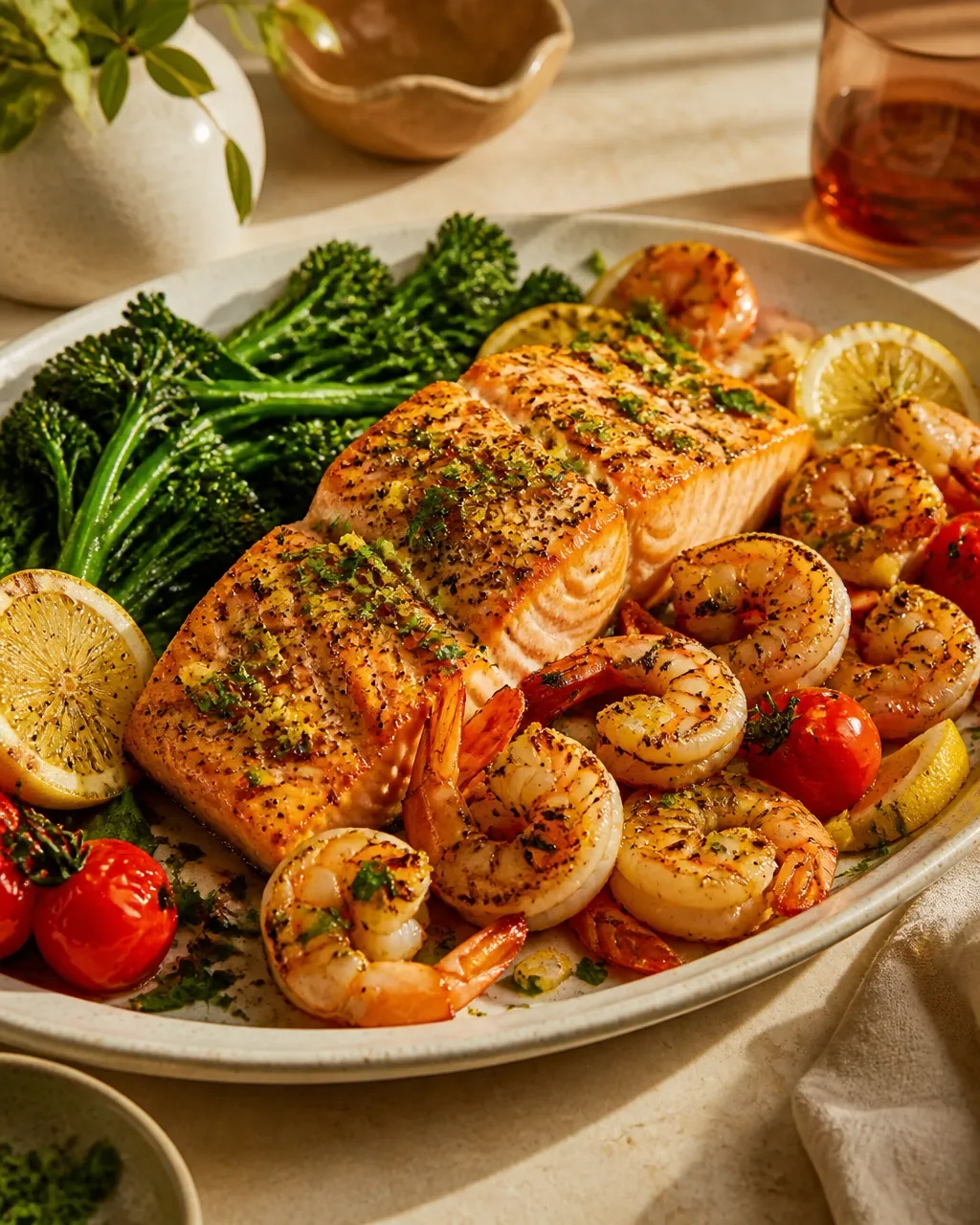
Now, let's talk about the shrimp. Shrimp are basically little bundles of tightly coiled proteins waiting to snap. The second they hit heat, a process called denaturation begins. This is where the proteins unfold and then bond back together (coagulate). If you cook them too long, the bonds become too tight, squeezing out every drop of moisture and leaving you with rubbery "O" shapes.
The goal is the "C" shape. A perfectly cooked shrimp should look like a "C", curled just enough to be firm but still juicy. If it curls into a tight "O," you’ve gone too far; the protein fibers have contracted so much they’ve basically turned into tiny erasers. Aim for an internal temperature of about 145°F (63°C). I always sear my shrimp separately first, remove them while they’re slightly underdone, and then toss them back in at the very end. This ensures the residual heat finishes them off without overcooking.
Finally, don't skimp on the aromatics. Garlic, ginger, and scallions aren't just for smell; they provide the fat-soluble flavor compounds that bridge the gap between the earthy cauliflower and the sweet shrimp. Sauté them first to infuse the oil, creating a flavor base that coats every "grain" of cauliflower.
Flavor Variations: Beyond the Basics
Once you’ve nailed the technique, you can start playing with the profile. If you're looking for more healthy dinner ideas, try a Mediterranean twist. Swap the soy sauce for lemon juice, oregano, and a touch of feta cheese. The acidity of the lemon helps break down any lingering "cabbagy" smell from the cauliflower, while the feta adds a creamy saltiness that balances the char of the shrimp.
For a plant-based alternative, you can easily swap the shrimp for crispy tofu. Just like the shrimp, the trick with tofu is moisture management. Press your tofu for at least 20 minutes to remove excess water, then sear it until the exterior is golden and resilient. You can check out our Air Fryer Sesame Tofu technique for inspiration on getting that perfect crunch without deep frying.
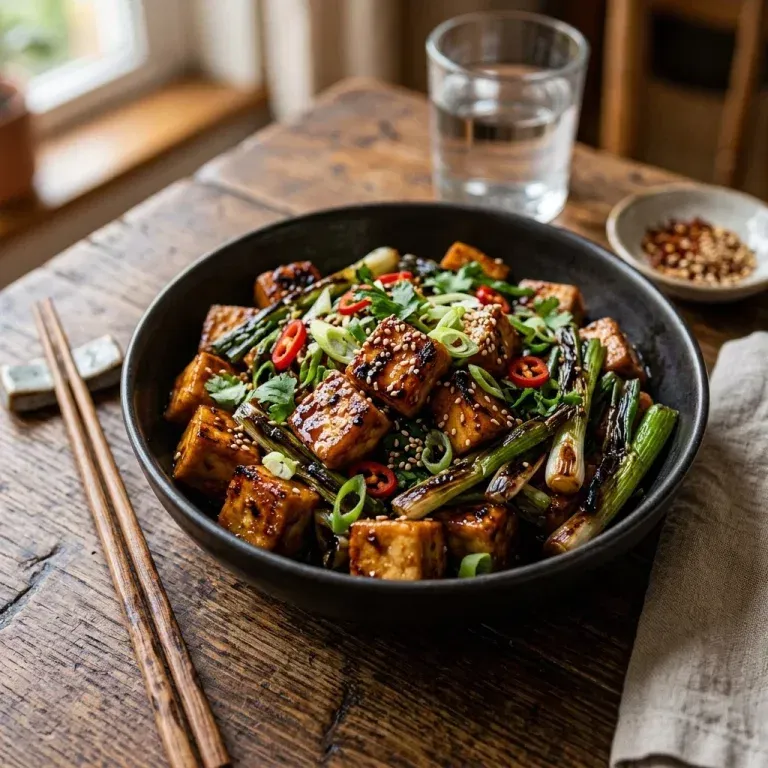
If you’re craving heat, a spoonful of chili crisp or sambal oelek during the final toss will provide a spicy kick that cuts through the richness of the egg and sesame oil. You can even experiment with different "rices", broccoli rice or a mix of both cauliflower and finely chopped cabbage works beautifully and adds a different nutritional profile to your quick family meals.
Side Dish Pairings: Balance is Key
Fried rice is a "complete" meal in a bowl, but the right side dish can elevate it from a simple weeknight dinner to a restaurant-quality experience. Because cauliflower fried rice is naturally lighter and slightly more earthy than grain-based rice, you want sides that offer high acidity or a sharp crunch.
A smashed cucumber salad with rice vinegar and toasted sesame oil is the perfect companion. The cool, crisp cucumbers provide a temperature contrast to the hot stir-fry, while the vinegar cleanses the palate between bites of savory shrimp. Alternatively, a quick batch of blistered shishito peppers offers a fun, "roulette" style side, most are mild, but every now and then you get a spicy one that keeps things interesting.
If you have your air fryer out, you might consider some quick roasted snap peas or even some air fryer recipes dinner hacks like crispy kale chips. The goal is to avoid anything too heavy or starchy; you’ve already made the light choice with cauliflower, so keep the sides focused on fiber and brightness.
FAQ: Solving Your Stir-Fry Struggles
Why is my cauliflower rice always soggy?
It usually comes down to two things: heat and crowding. If your pan isn't screaming hot when the cauliflower hits it, the vegetable will release its water slowly, essentially boiling in its own juices. Use a high-smoke-point oil (like avocado or grapeseed) and cook in batches if your skillet is small. Also, never salt the cauliflower at the beginning. Salt draws out moisture through osmosis; save the salt (or soy sauce) for the very last minute.
Can I use frozen cauliflower rice?
Absolutely. In fact, for many quick family meals, it's the better option. Just remember: do not thaw it. Cooking it straight from frozen allows the high heat to evaporate the ice crystals before they can soak into the cauliflower tissue.
What is the best way to reheat leftovers?
Avoid the microwave if possible. Microwaves work by vibrating water molecules, which is a recipe for more sogginess. Instead, toss the leftovers back into a hot skillet for 2-3 minutes. This re-crisps the exterior and revives the flavors. If you must use a microwave, place a paper towel over the bowl to catch the escaping steam.
My shrimp are rubbery. What did I do wrong?
You over-denatured the proteins! Shrimp cook in the blink of an eye, usually 2 minutes per side. As soon as they turn opaque and form that "C" shape, get them out of the heat. Remember, they will continue to cook for a minute after you remove them from the pan.
Is this dish actually keto-friendly?
Yes, as long as you watch your aromatics and sauces. Soy sauce is fine, but some pre-made stir-fry sauces contain hidden sugars or cornstarch thickeners. Stick to coconut aminos or tamari if you’re being strict, and load up on healthy fats like sesame oil or even a bit of grass-fed butter at the end for flavor.
Can I make this in an air fryer?
While a skillet is traditional, you can actually use air fryer recipes dinner techniques to "roast-fry" the cauliflower. Toss the riced cauliflower with oil and air fry at 400°F for about 8-10 minutes, shaking halfway through, then toss with your cooked shrimp and seasonings at the end. It won't have the same "breath of the wok" (Wok Hei) flavor, but it’s incredibly hands-off.