Recipe
Servings
Servings 1×
Ingredients
- Chicken
- Rice
- Cooking oil
- Salt
- Black pepper
Method
- Prepare the ingredients described in the article and heat the cooking surface or oven as directed.
- Cook the main ingredients using the heat and timing guidance in the article.
- Finish with the seasonings and garnishes named in the article, then serve.
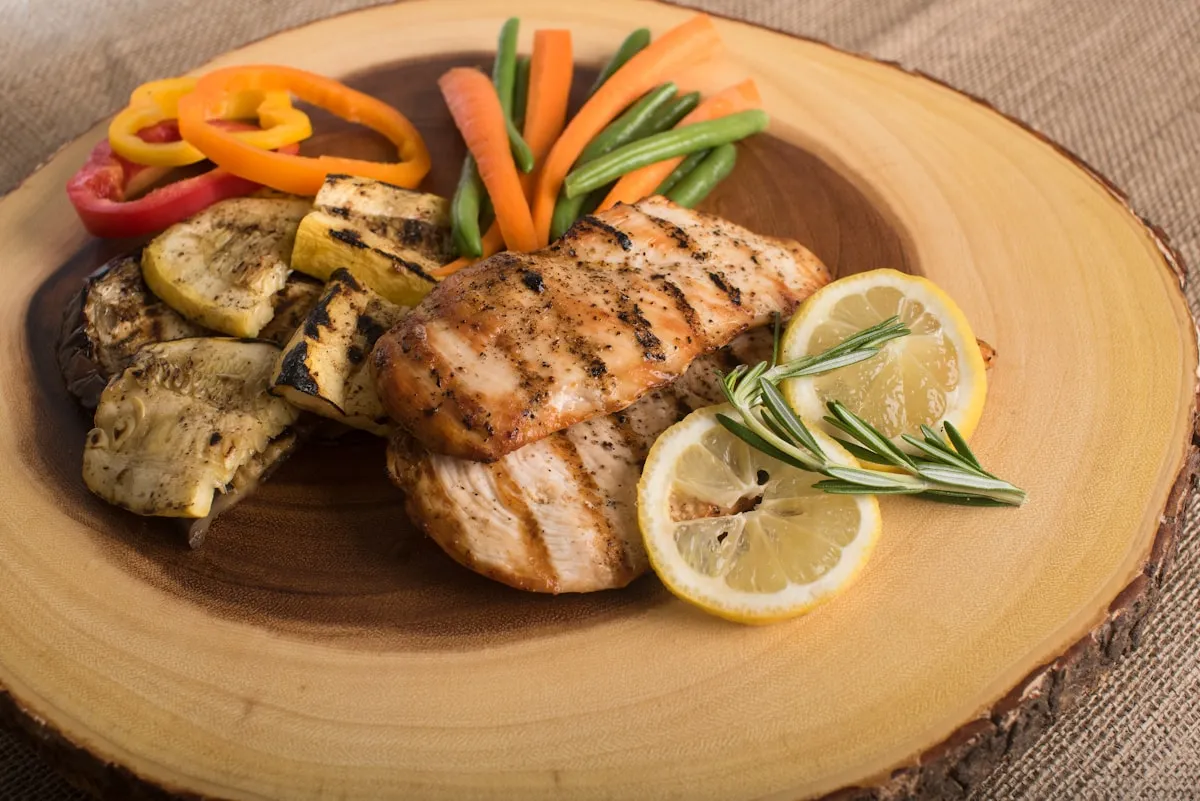
There is a specific kind of magic in reaching into a cooler on a sweltering July afternoon and pulling out a piece of cold fried chicken. It’s the ultimate picnic trophy. But let’s be honest: most home-cooked fried chicken turns into a sad, leathery sponge the moment it hits room temperature. If you’ve ever bitten into a soggy wing and wondered where it all went wrong, you’re in the right place.
Cold fried chicken shouldn't just be "leftovers." It should be a deliberate, engineered masterpiece designed to maintain its shatter-crisp integrity hours after leaving the oil. We aren’t just frying bird here; we are manipulating starches and moisture levels to defy the laws of picnic physics. Forget the grease-slicked boxes of the past. I’m going to show you how to craft a crust so resilient it laughs in the face of humidity.
The Molecular Architecture of Crunch: Starch vs. Gluten
To understand why your chicken goes soft, you have to understand the science of the crust. Most people reach for standard all-purpose flour and call it a day. That is your first mistake. All-purpose flour is high in gluten, and gluten is the enemy of long-term crunch. When gluten gets wet, from the juices of the chicken or the steam of cooling, it becomes chewy and tough.
If you want a crust that stays brittle and "glassy" even when cold, you need to prioritize starch over protein. Swap out at least 30-40% of your flour for cornstarch or rice flour. These starches don't develop gluten; instead, they gelatinize and then dehydrate into a rigid, lace-like structure that resists moisture re-entry. This is the same principle behind many quick family meals that rely on high-heat searing for texture.
You also need to introduce leavening. A teaspoon of baking powder is non-negotiable. When that powder hits the hot oil, it creates millions of tiny carbon dioxide bubbles. This increases the surface area of your crust, allowing more moisture to escape during the fry. More bubbles mean a lighter, crispier shell that won't turn into a heavy armor plating as it cools. While some might look for healthy dinner ideas that avoid deep frying, this specific structural engineering is what makes the classic version a picnic legend.
Moisture Management: The Dry Brine Strategy
The biggest threat to your crispy exterior is the water hiding inside the meat. As the chicken cools, that internal moisture wants to migrate outward. This process, known as moisture migration, is what turns a perfectly good crust into mush. To fight this, you must master the dry brine.
At least four hours before you plan to fry, ideally the night before, generously salt your chicken pieces. Don’t just sprinkle; season them like you mean it. The salt pulls moisture out of the skin, dissolves into a brine, and then is reabsorbed into the meat. This seasons the chicken to the bone and, more importantly, alters the protein structure so the meat holds onto its juices during the fry.
After brining, pat the chicken bone-dry with paper towels. Any surface moisture will immediately turn to steam when it hits the oil, potentially blowing the coating right off the meat. A dry surface ensures a tight bond between the chicken and the flour. If you’re looking for faster alternatives for air fryer recipes dinner, you can use this same dry-brining technique to get superior skin texture in half the time, similar to how we prep our Air Fryer Sausage and Pepper Medley.
The Cooling Rack Commandment
This is the hill I will die on: Never, ever drain your fried chicken on paper towels. I know, your grandmother did it. My grandmother did it. We were both wrong.
When you place hot fried chicken on a flat surface like a plate or a paper towel, you trap steam underneath the piece. That steam has nowhere to go but back up into the crust. Within minutes, the bottom of your chicken is a soggy mess. Use a wire cooling rack set over a baking sheet. This allows air to circulate 360 degrees around the chicken, letting the steam escape into the room rather than into your breading.
For picnic chicken, let it cool completely on that rack at room temperature. Do not put it in the fridge while it’s still off-gassing steam. If you seal hot chicken in a container, you are effectively creating a tiny, humid sauna. You might as well just boil the chicken at that point. Wait until it’s room temp, then chill it uncovered in the fridge for an hour before finally packing it into your picnic basket. This "open-air" chill sets the fat and the starch into their final, crunchy state.
The Double-Fry Technique: The Secret to Longevity
If you want the absolute gold standard of picnic chicken, you need to fry it twice. This is a staple technique in Korean fried chicken and for good reason. The first fry at a moderate temperature (around 325°F) cooks the chicken through and sets the initial structure of the crust.
After a 15-minute rest on the rack, you drop it back in for a second, shorter fry at a higher temperature (375°F). This second blast aggressively dehydrates the crust, driving out any remaining water and creating a shell that is almost impervious to the elements. It’s more effort, yes, but it’s the difference between a good picnic and a legendary one.
Variations: Global Spice Profiles
While the classic salt-and-pepper approach is timeless, cold chicken is an excellent canvas for bolder flavors. Since cold temperatures can dull the perception of spice, you actually want to over-season your breading slightly.
- The Hot Honey Finish: Whisk together honey and cayenne pepper, and drizzle it over the chicken while it’s still hot on the cooling rack. The honey will set into a sticky, spicy glaze that tastes incredible cold.
- Smoky Chipotle: Incorporate ground chipotle powder and smoked paprika into your flour mix. The smokiness provides a depth that mimics the charred flavor of a grill, perfect for an outdoor setting.
- Herbes de Provence: For a more "sophisticated" park lunch, add dried thyme, rosemary, and lavender to your starch mix. It pairs beautifully with a chilled bottle of rosé.
If you are looking for quick family meals with a similar flavor profile but less mess, try applying these spice rubs to our classic chicken fajitas for a fast weeknight win.
Side Dish Pairings: Balancing the Richness
Fried chicken is heavy. It’s salty, it’s fatty, and it’s crunchy. To make it a complete meal, you need sides that provide acidity and freshness to cut through that richness.
Avoid heavy, mayonnaise-laden salads that might spoil in the sun. Instead, look for vinegar-based slaws or bright, herbaceous salads. A cucumber and red onion salad with a sharp apple cider vinaigrette is the perfect foil for cold drumsticks. You want "zing" to wake up the palate.
I also highly recommend pickled vegetables. Quick-pickled radishes, carrots, or even classic dill pickles provide a necessary crunch and a burst of acid. If you want something more substantial, a cold pasta salad with plenty of lemon zest and fresh peas works wonders. Think about balance: for every bite of rich, fried goodness, you want a bite of something crisp and bright.
FAQ: Picnic Troubleshooting
What if my chicken is still soggy despite following these tips?
Check your oil temperature. If the oil drops below 325°F during the fry, the chicken will absorb the oil rather than repelling it. This leads to a greasy, heavy crust that can't hold its shape as it cools. Use a clip-on thermometer to monitor the temp constantly.
Can I use an air fryer for this?
You can, but the results for cold consumption are slightly different. Air fried chicken tends to dry out faster. If you go this route, ensure you use a spray of oil on the coating to help the starches "fry." It's one of the more popular healthy dinner ideas, but for a traditional picnic, nothing beats the oil-submerged crunch.
How long can fried chicken sit out at a picnic?
Food safety first: The USDA recommends that perishable food shouldn't sit out for more than two hours (or one hour if it’s above 90°F outside). Keep your chicken in a well-insulated cooler with ice packs until you are ready to eat.
Which pieces of the chicken are best for cold eating?
Drumsticks and wings are the undisputed kings of the cold chicken world. They have a higher skin-to-meat ratio, which means more of that engineered crust in every bite. They also stay juicier than breast meat due to their higher fat content.
Can I use gluten-free flour?
Absolutely. In fact, many gluten-free flour blends are naturally high in rice flour and potato starch, which makes them excellent for achieving that "glassy" crunch we’re looking for.
Should I keep the skin on?
Always. The skin provides the fat and collagen necessary to keep the meat underneath moist. Fried skinless chicken is a recipe for a dry, disappointing picnic.
{“@type”:”BlogPosting”,”about”:[{“name”:”Fried Chicken”,”@type”:”Thing”},{“name”:”Picnic”,”@type”:”Thing”}],”image”:”https://cdn.marblism.com/WfsHc2QKLrh.webp”,”author”:{“name”:”Cookpedia”,”@type”:”Organization”},”@context”:”https://schema.org”,”headline”:”Perfect Cold Fried Chicken for Picnics”,”publisher”:{“logo”:{“url”:”https://cookpedia.com/logo.png”,”@type”:”ImageObject”},”name”:”Cookpedia”,”@type”:”Organization”},”description”:”Part 23 of the Summer Picnic Series. Tips for making the best crispy fried chicken that tastes amazing even when served cold.”,”datePublished”:”2026-05-19″,”mainEntityOfPage”:{“@id”:”https://cookpedia.com/perfect-cold-fried-chicken-for-picnics”,”@type”:”WebPage”}}