Recipe
Servings
Servings 1×
Cook 9 min
Ingredients
- Salmon
- Quinoa
- Rice
- Potatoes
- Broccoli
- Asparagus
- Carrots
- Zucchini
- Avocado
- Tomatoes
- Garlic
- Lemon
- Honey
- Mustard
- Butter
- Cooking oil
Method
- Let’s be honest: by Tuesday night, the dream of a five-course gourmet meal has usually been replaced by the reality of "whatever is in the freezer." But you deserve better than a cardboard-flavored pizza.
- Use a paper towel and pat that fish dry like your life depends on it.
- Give every fillet and every spear some breathing room.
- Toss your asparagus with dried oregano and top the salmon with a thin layer of Dijon mustard and a sprinkle of smoked paprika.
- Prepare your grains while the oven does the heavy lifting.
- Lower your oven temp slightly or pull the fish a minute earlier next time to minimize this.
Let’s be honest: by Tuesday night, the dream of a five-course gourmet meal has usually been replaced by the reality of "whatever is in the freezer." But you deserve better than a cardboard-flavored pizza. You need something that feels like a hug for your soul but takes less time than a single episode of your favorite sitcom. That’s where this sheet pan salmon comes in. It’s the king of healthy dinner ideas because it respects your time and your palate. Forget the mountain of dishes; we’re going minimalist today.
The Science of the Perfect Roast
Cooking is essentially just controlled chemistry, and when you’re dealing with salmon and asparagus, the margin for error is slimmer than a spear of pencil asparagus. To get that restaurant-quality crust without turning the inside of your fish into a pencil eraser, you have to master a few non-negotiable techniques.
First, let’s talk about moisture. Moisture is the sworn enemy of the Maillard reaction, that beautiful browning process that creates flavor. If your salmon or your asparagus goes into the oven wet, they won't roast; they will steam. Steamed salmon is fine for a health spa in the 90s, but we want soulful, roasted goodness. Use a paper towel and pat that fish dry like your life depends on it. The same goes for your asparagus. If you’ve just washed them, dry them thoroughly before the oil even touches them.
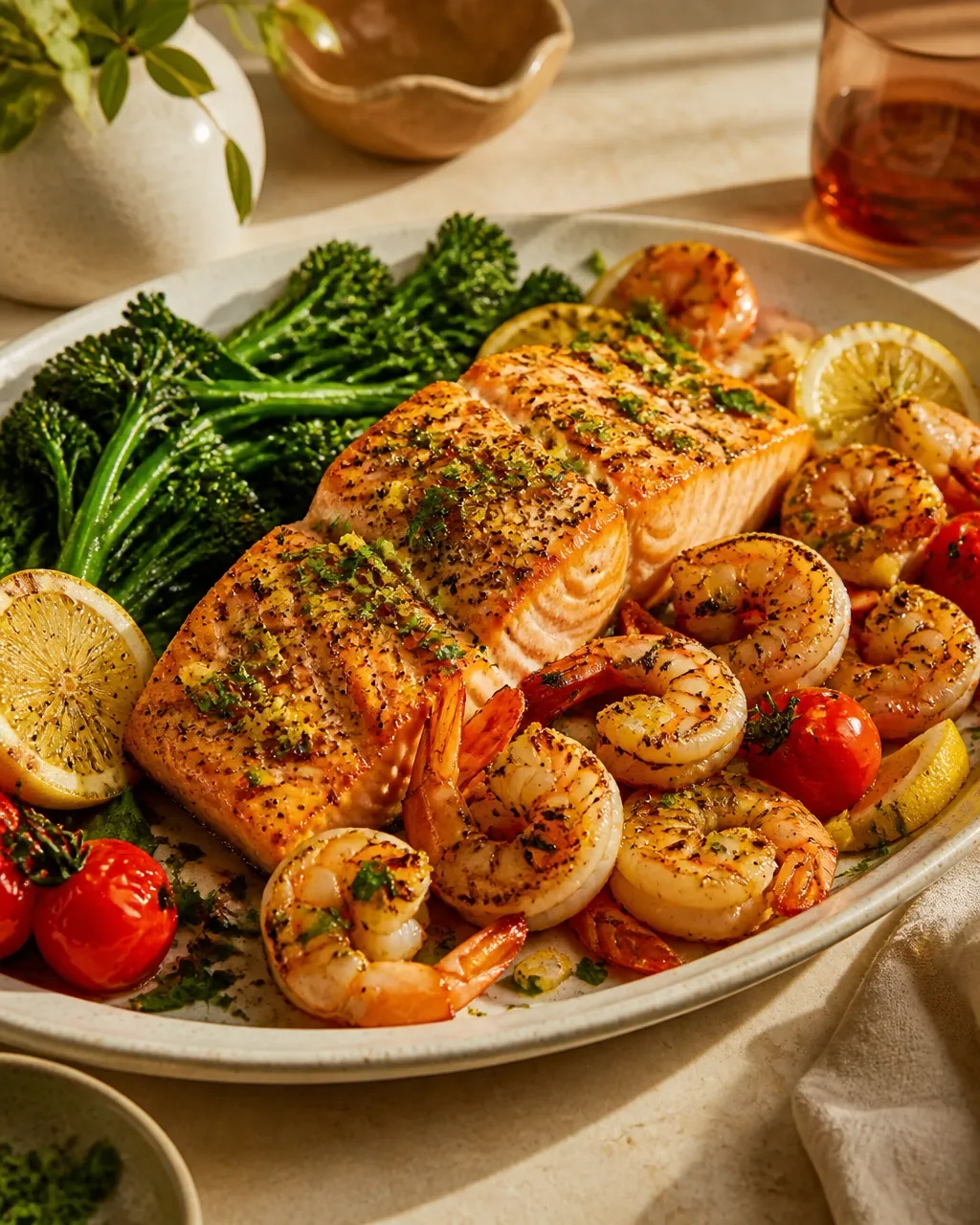
Now, consider the "crowding" factor. I know it’s tempting to shove as much as possible onto one pan to save space, but don't do it. Give every fillet and every spear some breathing room. When ingredients are too close, they release steam that gets trapped between them, leading to a soggy texture. You want hot air to circulate freely around each piece. This is the same principle that makes air fryer recipes dinner so successful, maximum air circulation equals maximum crispiness.
Temperature control is your next hurdle. Aim for an internal temperature of about 120°F to 125°F. Pull the salmon out of the oven before it looks "done" to your eyes. Because of carryover cooking, the internal temperature will continue to rise for a few minutes after you take it out. If you wait until it looks opaque and flaky in the oven, it will be dry by the time it hits your plate. Trust the science, pull it early, and let it rest for five minutes. This resting period allows the muscle fibers to relax and reabsorb those precious juices.
Finally, place your salmon skin-side down. That skin acts as a protective thermal barrier, insulating the delicate flesh from the direct heat of the pan. Even if you don't plan on eating the skin, it’s there to do a job. Leave the skin on during the roast to ensure a more even cook.
Soulful Variations for Every Mood
The beauty of a minimalist sheet pan meal is that it serves as a blank canvas for your culinary whims. While lemon and garlic are the classic duo, don’t feel restricted. If you’re craving something with a bit more depth, try a miso glaze. The fermented complexity of miso provides a massive savory hit that balances the fatty richness of the salmon perfectly. Just whisk a little miso paste with a splash of rice vinegar and a drop of honey.
If you're in the mood for something zesty and bright, go for a Mediterranean vibe. Toss your asparagus with dried oregano and top the salmon with a thin layer of Dijon mustard and a sprinkle of smoked paprika. The mustard acts as a glue for the spices and prevents the surface of the fish from drying out. This approach is perfect for quick family meals where everyone has slightly different taste preferences.
You can also swap the vegetables if asparagus isn't in season. Think about "cook time parity." You want a vegetable that roasts in about the same 12-15 minute window as the salmon. Thinly sliced zucchini, halved cherry tomatoes, or even broccolini work beautifully. If you want to use heartier vegetables like potatoes or carrots, you’ll need to give them a 15-minute head start in the oven before adding the salmon to the pan. Match your vegetable’s density to your fish’s cook time.
Balancing the Plate: Side Dish Pairings
While the sheet pan is the star, a few thoughtful additions can turn this from a "meal" into an "experience." Since salmon is a high-fat fish (the good kind of fat!), you need acidity and starch to balance the palate.
A simple scoop of quinoa or herbed couscous is excellent for soaking up any stray juices and lemon butter. Prepare your grains while the oven does the heavy lifting. If you’re keeping things low-carb, a crisp arugula salad with a sharp vinaigrette provides the necessary bite to cut through the salmon's richness.
Don't forget the power of a "finishing touch." A handful of fresh herbs, think dill, parsley, or chives, added right before serving provides a burst of chlorophyll-freshness that roasted food often lacks. Always finish with a fresh squeeze of lemon. That final hit of citric acid wakes up all the other flavors and makes the dish pop. Check out our other 15-minute meals for more inspiration on how to build a complete plate in record time.
Troubleshooting Your Sheet Pan: FAQ
What if my salmon is frozen?
Thaw it completely before roasting. Cooking salmon from frozen on a sheet pan is a recipe for uneven results, the outside will be overcooked and dry before the inside even reaches room temperature. If you’re in a rush, place the sealed fillets in a bowl of cold water for 20 minutes. Avoid using the microwave to thaw fish; it starts the "cooking" process unevenly and ruins the texture.
Can I use skinless fillets?
Yes, but you need to be more vigilant. Without the skin as a heat shield, the salmon will cook faster and is more prone to sticking to the pan. Grease your parchment paper or foil extra well if you are going skinless.
Why did white stuff come out of my salmon?
That white stuff is called albumin. It’s a protein that’s perfectly safe to eat, but it usually indicates that the salmon was cooked too fast or at too high a temperature, causing the muscle fibers to contract and squeeze the protein out. Lower your oven temp slightly or pull the fish a minute earlier next time to minimize this.
Is it okay to use a different oil?
Stick to oils with a medium-to-high smoke point. Extra virgin olive oil is great for flavor, but if you’re roasting at 425°F, it might start to smoke. Avocado oil or a refined olive oil are safer bets for high-heat roasting. Avoid butter as your primary roasting fat because the milk solids will burn; instead, add a pat of butter at the very end for flavor.
Can I make this in an air fryer?
Absolutely. If you love experimenting with air fryer recipes dinner styles, just treat the air fryer basket like a mini sheet pan. You'll likely need to cook in batches, and the cook time will be significantly shorter: usually around 8-10 minutes at 380°F. The convection heat is very efficient, so keep a close eye on that thermometer!
{“@type”:”FAQPage”,”@context”:”https://schema.org”,”mainEntity”:[{“name”:”What if my salmon is frozen?”,”@type”:”Question”,”acceptedAnswer”:{“text”:”You must thaw the salmon completely before roasting to ensure even cooking. Cooking from frozen leads to a dry exterior and an undercooked interior.”,”@type”:”Answer”}},{“name”:”Why did white stuff come out of my salmon?”,”@type”:”Question”,”acceptedAnswer”:{“text”:”The white substance is albumin, a protein that is pushed out of the muscle fibers when the fish is cooked too quickly or overcooked. Pulling the fish at 120-125°F helps prevent this.”,”@type”:”Answer”}},{“name”:”Can I use skinless fillets?”,”@type”:”Question”,”acceptedAnswer”:{“text”:”Yes, but you should grease your pan or parchment more thoroughly, as skinless fillets are more likely to stick and cook faster without the protective skin layer.”,”@type”:”Answer”}},{“name”:”What is the best temperature for roasting salmon?”,”@type”:”Question”,”acceptedAnswer”:{“text”:”A range of 375°F to 425°F works well. Higher temperatures provide better browning but require more careful monitoring to prevent overcooking.”,”@type”:”Answer”}}]}