Recipe
Servings
Servings 1×
Ingredients
- Salmon
- Rice
- Garlic
- Fresh ginger
- Lime
- Honey
- Chili seasoning
Method
- Prepare the ingredients described in the article and heat the cooking surface or oven as directed.
- Cook the main ingredients using the heat and timing guidance in the article.
- Finish with the seasonings and garnishes named in the article, then serve.
You’ve probably seen the term "swicy" popping up everywhere from artisanal pizza shops to your favorite wing joint. It’s the perfect marriage of sweet and spicy, and if you aren’t applying this logic to your weeknight fish routine, you’re missing out on a serious flavor upgrade. When you’re staring at a package of salmon at 6:00 PM, the goal is high impact with minimal effort. You want something that hits the table fast but tastes like it came from a professional kitchen.
Whether you lean toward the clean, floral heat of a hot honey or the garlicky, fermented tang of a Sriracha-based glaze, both options can transform a basic fillet into one of those quick family meals that everyone actually asks for again next week. But choosing between them isn't just about heat levels, it’s about the science of how they cook.
The Chemistry of the Crunch: Tips & Technique
To master the 15-minute salmon, you need to understand how sugar and heat interact on the surface of your fish. Salmon is a fatty, rich protein that can handle intense flavors, but its high fat content also means it benefits from a glaze that can caramelize without burning the delicate flesh underneath.
The Maillard Reaction vs. Caramelization
When you brush a glaze onto salmon, two distinct chemical processes happen. First is the Maillard reaction, the browning of proteins and sugars that creates those savory, complex flavors. Second is caramelization, which specifically involves the oxidation of sugars. Hot honey is almost entirely sugar (fructose and glucose). These sugars have a relatively low burning point. If you apply a thick layer of hot honey at the very beginning of a high-heat cook, you risk a blackened, bitter exterior before the inside of the fish is even warm.
Sriracha, on the other hand, contains vinegar and garlic along with its sugar. The acidity in the vinegar actually helps slow down the browning process slightly, giving you a wider window of "perfection" before things turn to charcoal.
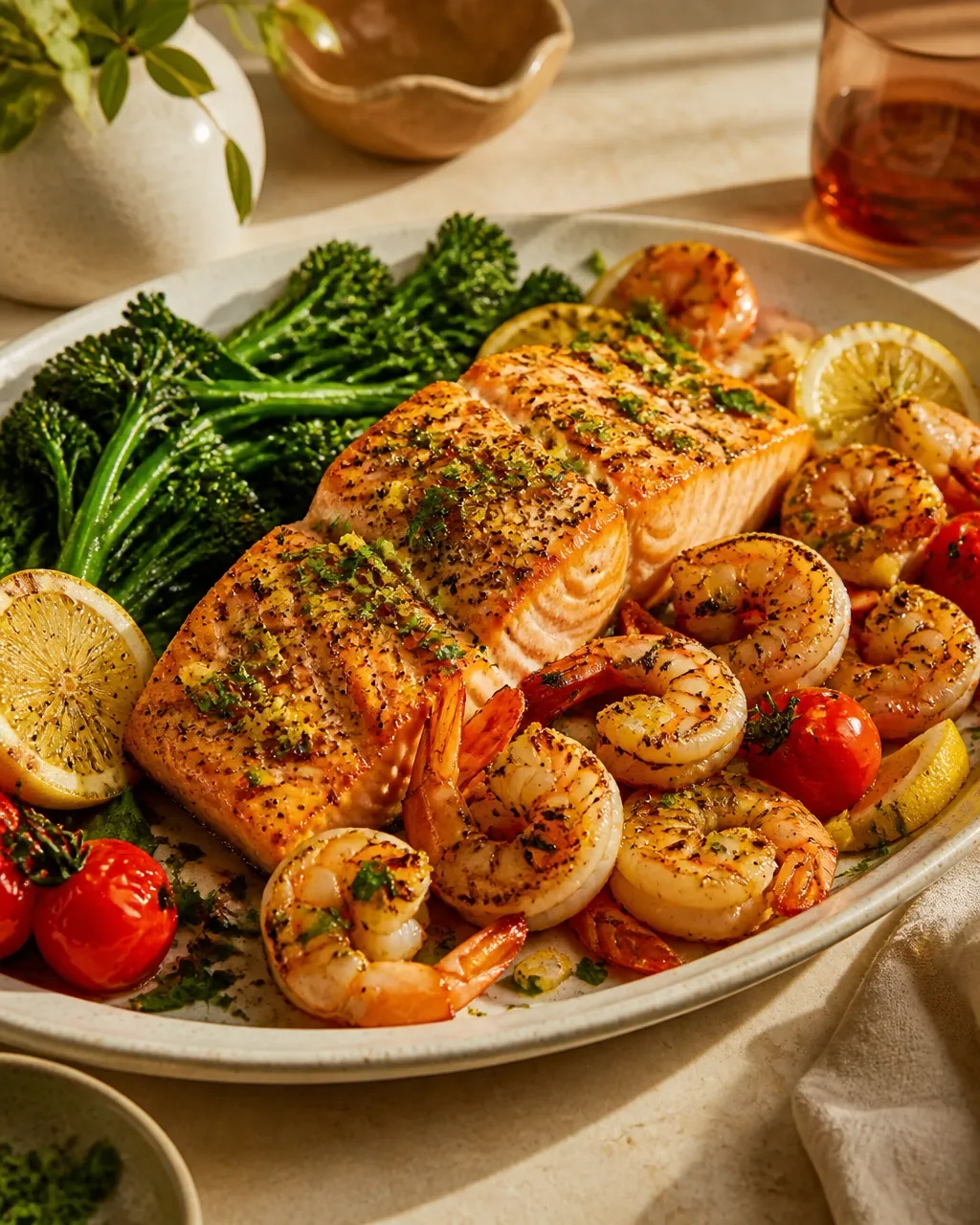
Air Fryer vs. Oven: The Convection Choice
Choosing your cooking vessel is the most important decision for air fryer recipes dinner enthusiasts. The air fryer is essentially a high-powered convection oven on steroids. Its fan circulates hot air so efficiently that it dries out the surface of the glaze almost instantly.
- The Air Fryer Method: If you want those tiny, crispy "burnt ends" on the edges of your salmon, the air fryer is king. Because it cooks so fast, you should wait to apply your glaze until the final 4–5 minutes of cooking. This allows the fish to reach a safe internal temperature while giving the sugars just enough time to bubble and set into a tacky, glass-like coating.
- The Oven Method: If you prefer a "saucier" finish where the glaze pools around the fish, use the oven. Set your rack to the top third and finish with a 2-minute broil. The radiant heat from the broiler mimics the air fryer’s intensity but gives you more control over the "sauce-to-sear" ratio.
Temperature Tactics
Never cook salmon straight from the fridge. Pat your fillets bone-dry with a paper towel, moisture is the enemy of a good glaze. If the surface is wet, the glaze will slide right off and steam the fish rather than sear it. Let the salmon sit at room temperature for about 10–15 minutes while you prep your glaze. This ensures even cooking so you don't end up with a charred exterior and a raw, cold center.
Dialing in Your Flavor: The Variations
The beauty of the "swicy" profile is its versatility. Once you understand the base ratio (usually 3 parts sweet to 1 part heat), you can start tweaking the variables to suit your palate.
The Acidity Anchor
If you find that hot honey is a bit one-note, look for ways to introduce acidity. A splash of rice vinegar or a squeeze of fresh lime juice can brighten the entire dish. Acidity acts as a foil to the richness of the salmon’s Omega-3 fats. It "cuts" the oiliness, making the meal feel lighter and more balanced. This is a hallmark of many healthy dinner ideas, using bright acids instead of heavy fats to build flavor.
The Aromatic Upgrade
For those choosing the Sriracha route, consider adding aromatics like grated ginger or micro-planed garlic. Because Sriracha already has a garlic base, adding fresh garlic reinforces that savory depth. If you want a more "umami" forward glaze, a teaspoon of white miso whisked into your honey and Sriracha will create a deeply savory, salty-sweet crust that is absolutely addictive.
Heat Control
Not all heat is created equal. Hot honey provides a "back-of-the-throat" glow that lingers, while Sriracha provides a "front-of-the-mouth" zing thanks to the chili peppers and vinegar. If you have spice-sensitive diners at the table, lean heavier on the honey. The sugars actually bind to the capsaicin molecules, effectively "masking" some of the pain while keeping the flavor intact.
Side Dish Pairings: Finding the Balance
A bold glaze needs a side dish that knows its place. You don't want a side that competes with the intensity of the salmon; you want a side that cleanses the palate.
- Starchy Stability: A simple mound of jasmine rice or quinoa is the classic choice. The grains soak up any extra glaze that runs off the fish, ensuring not a single drop of that "swicy" liquid goes to waste.
- Crunch and Freshness: A quick cucumber salad with rice vinegar and sesame oil is the perfect companion. The cool, watery crunch of the cucumber resets your taste buds between spicy bites.
- Green Balance: Steamed broccoli or snap peas provide a bitter, earthy contrast to the sweetness of the glaze. If you're looking for more quick meals, these can often be tossed right into the air fryer or oven alongside the salmon (just adjust for their faster cook times).
Frequently Asked Questions (FAQ)
Can I use frozen salmon for this?
Yes, but with a caveat. You must thaw it completely and pat it extremely dry. Frozen salmon often releases more "albumin" (that white protein that seeps out) during cooking. To minimize this, don't overcook the fish. Use a meat thermometer and pull the salmon at 130°F–135°F for a medium finish.
Why did my glaze burn in the air fryer?
You likely applied it too early. In many air fryer recipes dinner, the intense convection heat will scorch sugars within minutes. Brush your glaze on during the last third of the cooking process. If you’re doing a 12-minute cook, wait until the 8-minute mark to glaze.
Is hot honey or Sriracha healthier?
Both contain sugar, but Sriracha generally has a lower sugar content per tablespoon compared to pure honey. However, since we’re using these as glazes for healthy dinner ideas, the total amount used per serving is usually quite small. For a lower-glycemic option, look for a "no-honey" spicy glaze using monk fruit or allulose as the sweetener.
Should I leave the skin on?
Absolutely. Even if you don’t plan on eating it, the skin acts as an insulator, protecting the delicate flesh from the direct heat of the pan or air fryer basket. It also helps the fillet hold its shape. If you want crispy skin, start the salmon skin-side up in the air fryer for the first 5 minutes, then flip it to glaze the top.
Can I substitute maple syrup for honey?
You can, but keep in mind that maple syrup is thinner than honey. It won't "cling" to the fish as easily. To use maple syrup, you may need to simmer it on the stove for a few minutes first to reduce it into a thicker syrup before brushing it onto your salmon.
Whether you’re a devotee of the air fryer or a traditionalist who loves the broiler, mastering the swicy glaze is the fastest way to turn a routine Tuesday night into a gourmet experience. Experiment with the ratios, don't be afraid of a little char, and always( always( keep a lime wedge nearby.))
{“@type”:”BlogPosting”,”image”:[“https://cdn.marblism.com/fgY6VOCQyD8.webp”,”https://cdn.marblism.com/g4tgsfSQuEY.webp”,”https://cdn.marblism.com/t0r5F_NIBN7.webp”,”https://cdn.marblism.com/JMJrjkvIQLc.webp”],”author”:{“name”:”Penny”,”@type”:”Person”},”@context”:”https://schema.org”,”headline”:”Hot Honey Vs Sriracha: Which ‘Swicy’ Glaze Is Better For Your 15-Minute Salmon?”,”publisher”:{“logo”:{“url”:”https://cookpedia.com/logo.png”,”@type”:”ImageObject”},”name”:”Cookpedia”,”@type”:”Organization”},”mainEntity”:[{“name”:”Can I use frozen salmon for this?”,”@type”:”Question”,”acceptedAnswer”:{“text”:”Yes, but you must thaw it completely and pat it extremely dry to prevent the glaze from sliding off and to minimize albumin release.”,”@type”:”Answer”}},{“name”:”Why did my glaze burn in the air fryer?”,”@type”:”Question”,”acceptedAnswer”:{“text”:”You likely applied it too early. Apply the glaze during the last 4-5 minutes of cooking to prevent the sugars from scorching in the high-heat convection.”,”@type”:”Answer”}},{“name”:”Should I leave the skin on?”,”@type”:”Question”,”acceptedAnswer”:{“text”:”Yes, the skin acts as an insulator to protect the fish from overcooking and helps the fillet maintain its structural integrity.”,”@type”:”Answer”}}],”description”:”Discover the science and flavor differences between hot honey and Sriracha glazes for salmon. Learn the best techniques for air fryer and oven-baked 15-minute meals.”,”datePublished”:”2026-07-03″,”mainEntityOfPage”:{“@id”:”https://cookpedia.com/hot-honey-vs-sriracha-salmon-glaze”,”@type”:”WebPage”}}