Recipe
Servings
Servings 1×
Ingredients
- Salmon
- Noodles
- Asparagus
- Spinach
- Avocado
- Garlic
- Lemon
- Butter
- Cooking oil
Method
- Prepare the ingredients described in the article and heat the cooking surface or oven as directed.
- Cook the main ingredients using the heat and timing guidance in the article.
- Finish with the seasonings and garnishes named in the article, then serve.
If you’ve spent any time scouring the internet for keto recipes for beginners, you’ve probably realized that most "simple" meals involve about forty ingredients and a cleanup that lasts longer than the actual dinner. I don’t know about you, but on a Tuesday night, I want flavor that punches me in the face without a sink full of dishes. Enter my secret weapon: Butter Garlic Salmon. It’s rich, it’s decadent, and it’s one of those rare 15 minute meals that actually tastes like you spent an hour slaving over a hot stove.
The Science of the Perfect Sear
Achieving that restaurant-quality crust isn't about luck; it's about physics. Most home cooks fail at salmon because they treat it like a delicate flower. While the meat is tender, the surface needs aggressive heat to trigger the Maillard reaction, that chemical dance where amino acids and sugars transform into a savory, brown crust.
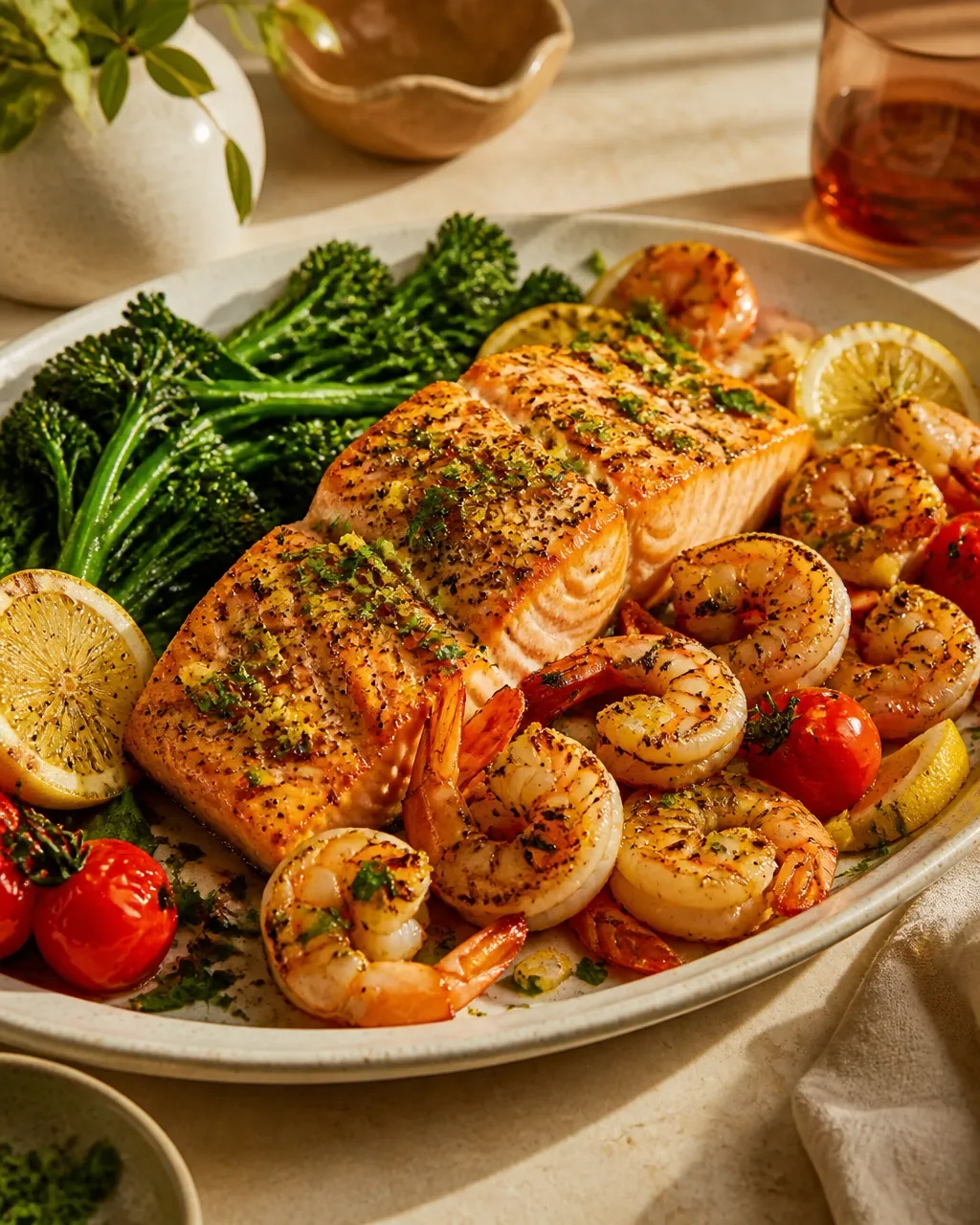
First and foremost, moisture is your absolute enemy. If your fish is damp when it hits the pan, that moisture has to evaporate before browning can even begin. Instead of searing, you’ll end up steaming your fish in its own juices, resulting in a grey, rubbery mess. Take a paper towel and press it firmly into every nook and cranny of that fillet. It should feel bone-dry to the touch. This simple step is the difference between a soggy dinner and a crispy masterpiece.
Once dry, temperature control becomes your next hurdle. You want your pan hot, not "smoking-and-setting-off-the-alarm" hot, but hot enough that a drop of water dances and sizzles immediately. Use an oil with a high smoke point like avocado oil for the initial sear. If you start with butter, the milk solids will burn long before the fish develops a crust, leaving you with a bitter, acrid flavor. We bring the butter in for the "finishing move."
Mastering the Butter Baste
The magic happens in the final few minutes of cooking. Once you flip your salmon, the heat from the pan has already started rendering the fat in the fish. This is when you drop in a cold knob of butter and your minced garlic.
As the butter melts and begins to foam, it acts as a thermal conductor, carrying the aromatic garlic flavor into every crevice of the salmon. Tilt your pan slightly so the liquid gold pools at the bottom, and use a large spoon to continuously shower the top of the fish with the bubbling fat. This technique, known as arroser, cooks the top gently while ensuring the garlic toasts without burning. Because the garlic is added at the end, it retains its sweetness and pungent aroma rather than turning into bitter charcoal bits. For those seeking 15 minute meals that don't compromise on technique, this is the gold standard.
Flavor Variations for the Creative Cook
While garlic and butter are a match made in heaven, you don't have to stop there. If you’re looking to expand your rotation of keto recipes for beginners, think about how you can layer flavors without adding carbs.
- The Citrus Kick: Add a teaspoon of lemon zest to your butter baste. The oils in the zest provide a bright, aromatic lift that cuts right through the richness of the salmon.
- The Herb Garden: Thyme and rosemary are classic, but try fresh dill or tarragon for a more "bistro" feel. Add these at the same time as the butter to infuse the fat.
- The Spicy Rub: Before searing, dust the skinless side with smoked paprika or a pinch of cayenne. The heat from the spices plays beautifully against the cool, creamy texture of the fish.
- The Brown Butter Twist: Let your butter cook until it smells nutty and develops little brown flecks (milk solids) before you start spooning it over. This adds a deep, toasted dimension to the dish.
The Art of the Side Dish
A rich, fatty fish like salmon needs a partner that can handle its weight. The key here is balance, specifically, acidity and bitterness to act as a foil to the butter.
A simple bed of sautéed baby spinach is my go-to. You can even toss the greens directly into the pan after removing the salmon to soak up the leftover garlic butter. If you want more crunch, charred asparagus or a quick arugula power salad works wonders. The peppery bite of the arugula cuts through the fat perfectly. For a more substantial feel, try pairing this with a quick keto-friendly vegetable medley or even some garlic butter-infused greens (minus the ramen noodles, of course). Remember, since this is one of our faster 15 minute meals, your side should be just as quick to prepare.
Troubleshooting Your Salmon: FAQ
Why did my salmon stick to the pan?
Usually, this is a sign of impatience. When proteins hit a hot surface, they initially bond to it. As the Maillard reaction progresses and the crust forms, the fish will naturally "release" from the pan. If you try to flip it and feel resistance, wait another 30 seconds. Also, ensure your pan was properly preheated before adding the fish.
Can I use frozen salmon for this?
Yes, but with a caveat. Thaw it completely in the fridge overnight. Frozen fish often carries more internal moisture, so you’ll need to be extra diligent about patting it dry. If the center is still icy, the outside will burn before the inside is even warm.
Why does white stuff come out of my salmon?
That white stuff is called albumin. It’s just a protein that gets pushed out of the muscle fibers as they contract. While it’s perfectly safe to eat, it usually means the salmon is being cooked too fast or too long. Gentle basting at the end can help keep the muscle fibers from seizing up too aggressively.
Is it safe to eat salmon that is pink in the middle?
For the best texture, I recommend pulling your salmon off the heat when it hits an internal temperature of about 125°F (medium). It will continue to cook as it rests. Cooking it to the FDA-recommended 145°F often results in a dry, chalky texture, which is a tragedy for a high-quality piece of fish.
How do I prevent the garlic from burning?
Never add minced garlic to the pan at the beginning. It only takes about 30–60 seconds for small bits of garlic to turn from golden to burnt. Always add it during the last two minutes of cooking, specifically tucked into the melting butter so the fat regulates its temperature.
Can I make this in an air fryer?
You certainly can, though you'll miss out on the basting technique. For more inspiration on hands-off cooking, check out our guide on air fryer dinner solutions. To get the garlic butter flavor in an air fryer, you'd want to brush the salmon with a garlic butter mixture halfway through the cooking time.
{“@type”:”BlogPosting”,”image”:[“https://cdn.marblism.com/EQsIDKK-g5K.webp”,”https://cdn.marblism.com/mM6EUrQK8S_.webp”,”https://cdn.marblism.com/m5FVoh_58-v.webp”,”https://cdn.marblism.com/rzhPBvAyYXZ.webp”],”author”:{“name”:”Cookpedia”,”@type”:”Organization”},”@context”:”https://schema.org”,”headline”:”15-Minute Keto: Butter Garlic Salmon”,”publisher”:{“logo”:{“url”:”https://cookpedia.com/logo.png”,”@type”:”ImageObject”},”name”:”Cookpedia”,”@type”:”Organization”},”mainEntity”:{“@type”:”FAQPage”,”mainEntity”:[{“name”:”Why did my salmon stick to the pan?”,”@type”:”Question”,”acceptedAnswer”:{“text”:”Sticking usually happens because the pan wasn’t hot enough or the fish was flipped too early. The Maillard reaction causes the fish to naturally release once a crust has formed.”,”@type”:”Answer”}},{“name”:”Why does white stuff come out of my salmon?”,”@type”:”Question”,”acceptedAnswer”:{“text”:”The white substance is albumin, a protein that is squeezed out when the fish is cooked too quickly or at too high a temperature.”,”@type”:”Answer”}},{“name”:”How do I prevent the garlic from burning?”,”@type”:”Question”,”acceptedAnswer”:{“text”:”Add the minced garlic during the last 60-90 seconds of cooking, specifically into the melting butter which helps regulate the temperature and prevents burning.”,”@type”:”Answer”}}]},”description”:”Learn the science behind the perfect 15-minute keto garlic butter salmon. Master the Maillard reaction and the art of butter basting for a restaurant-quality crust.”,”datePublished”:”2026-06-14″,”mainEntityOfPage”:{“@id”:”https://cookpedia.com/15-minute-keto-butter-garlic-salmon”,”@type”:”WebPage”}}