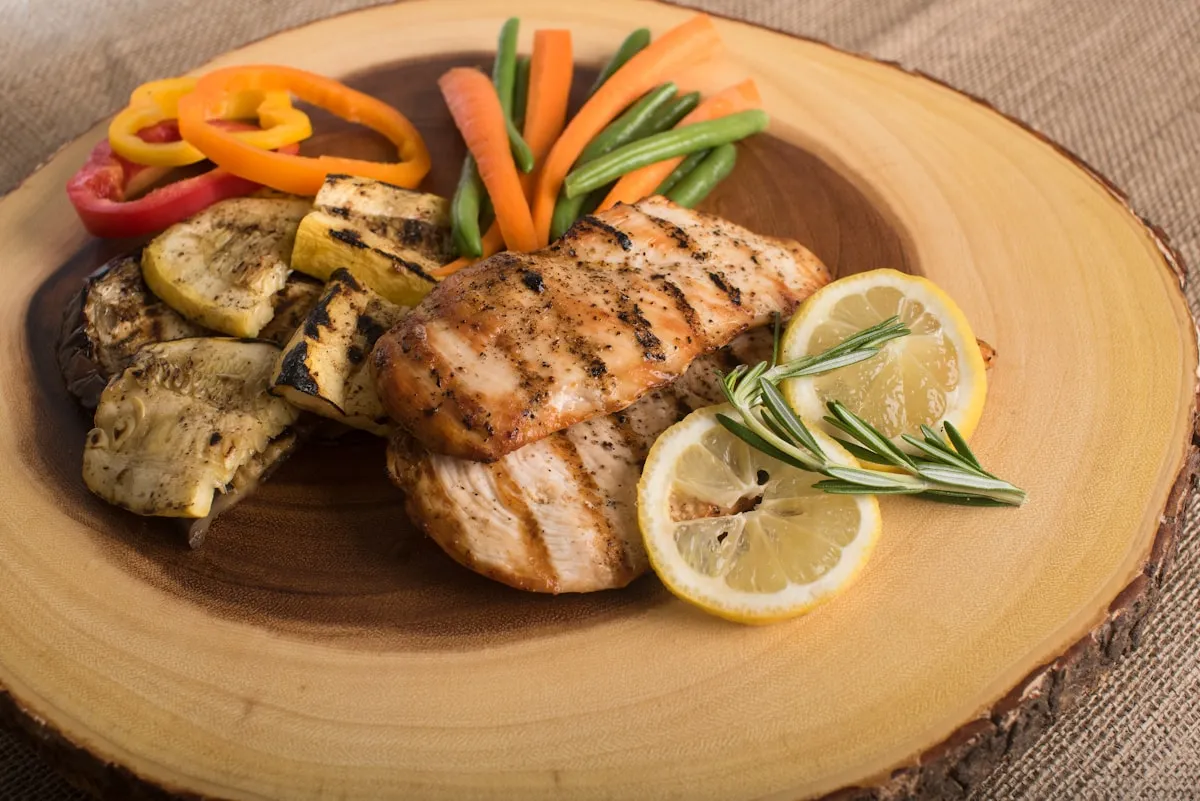
Recipe
Servings
Servings 1×
Ingredients
- Chicken
- Fresh, firm root vegetables such as carrots
- Fresh lemon juice
- Arugula or radicchio
- Lemon-mustard vinaigrette
Method
- Pat the chicken skin dry and arrange it with the fresh root vegetables, leaving room for air to circulate.
- Roast until the thickest part of the breast reaches 160°F (71°C).
- Rest the chicken for 10 to 15 minutes; carry-over cooking should bring the breast to 165°F (74°C).
- Carve and finish with a squeeze of lemon, serving with a sharp lemon-mustard green salad.
Balancing the Plate: Side Dish Pairings
A roast chicken dinner is inherently rich. You have the fat from the skin and the starchy, caramelized vegetables. To make this a truly balanced meal, you need acidity. Acidity is the "reset button" for your palate; it cuts through the heaviness and makes every bite feel fresh.
I almost always serve this with a bright, vinegary green salad. Think arugula or radicchio tossed in a sharp lemon-mustard vinaigrette. The bitterness of the greens acts as a foil to the sweetness of roasted carrots. If you want something a bit more substantial, a quick apple and celery slaw provides a cooling crunch that is incredibly refreshing. Check out our guide on quick salads for more inspiration on balancing your plates.
Avoid heavy cream-based sides or buttered corn. You already have plenty of richness in the pan drippings. Instead, focus on "light and bright." Even a simple squeeze of fresh lemon juice over the carved chicken just before it hits the table can elevate the entire experience.
Roast Chicken FAQ: The Science of Success
Why is my chicken skin soggy?
This usually happens because the pan was overcrowded. If you pack too many vegetables around the bird, the moisture they release has nowhere to go but up. This creates a steam tent. Leave some breathing room in the pan so the air can circulate. Also, ensure you patted the skin dry before it went in!
Do I need to baste the chicken?
Actually, no. Basting is often counterproductive if you want crispy skin. Every time you pour liquid over the bird, you are re-introducing moisture and cooling down the surface temperature. The fat under the skin will do all the "internal basting" you need. Keep the oven door closed and let the heat do its job.
What is the safe internal temperature for chicken?
You are looking for 165°F (74°C) in the thickest part of the breast. However, I recommend pulling the bird out of the oven when it hits 160°F (71°C). The "carry-over cooking" will bring it up to 165°F as it rests. This prevents the breast meat from drying out while the legs finish.
Why must I rest the meat?
Resting is non-negotiable. When meat cooks, the muscle fibers contract and squeeze out juice. If you cut into it immediately, those juices will end up on your cutting board instead of in your mouth. Give it 10–15 minutes. The fibers will relax and reabsorb that moisture, resulting in a much more tender bite.
Can I use frozen vegetables?
For roasting, I strongly advise against it. Frozen vegetables have a high water content and will likely turn to mush before they have a chance to brown. Stick to fresh, firm root vegetables for the best results in these quick family meals.
How do I store and reheat leftovers?
Store your leftovers in an airtight container for up to three days. When reheating, avoid the microwave if you want to keep the skin's texture. A quick 5-minute blast in a hot oven or air fryer will revive the crunch much better than a microwave ever could.
For more healthy dinner ideas and kitchen hacks, dive into our collection of 30-minute meals or explore our air fryer guides. Happy roasting!
{“@type”:”BlogPosting”,”about”:[{“name”:”Healthy Weeknight Dinners”,”@type”:”Thing”},{“name”:”Roast Chicken”,”@type”:”Thing”}],”image”:”https://cdn.marblism.com/nfJ3sA_ktvm.webp”,”author”:{“name”:”Cookpedia”,”@type”:”Organization”},”@context”:”https://schema.org”,”headline”:”Healthy Weeknight Roast Chicken with Root Vegetables”,”publisher”:{“logo”:{“url”:”https://cdn.marblism.com/KxroJ1kM_KA.webp”,”@type”:”ImageObject”},”name”:”Cookpedia”,”@type”:”Organization”},”mainEntity”:{“@type”:”FAQPage”,”mainEntity”:[{“name”:”Why is my chicken skin soggy?”,”@type”:”Question”,”acceptedAnswer”:{“text”:”This usually happens because the pan was overcrowded or the skin was not dried properly before roasting. Moisture from the vegetables creates steam which prevents the skin from crisping.”,”@type”:”Answer”}},{“name”:”What is the safe internal temperature for chicken?”,”@type”:”Question”,”acceptedAnswer”:{“text”:”Chicken is safe to eat at 165°F (74°C). It’s best to remove it from the oven at 160°F and let carry-over cooking bring it to temperature while resting.”,”@type”:”Answer”}}]},”articleBody”:”There is a specific kind of magic that happens when a chicken hits a hot oven… [full text of blog post]”,”description”:”Learn the science behind the perfect healthy weeknight roast chicken. Get crispy skin and tender root vegetables every time with our simple, effective techniques.”,”datePublished”:”2026-07-08″,”mainEntityOfPage”:{“@id”:”https://cookpedia.com/healthy-weeknight-roast-chicken”,”@type”:”WebPage”}}