Recipe
Servings
Servings 1×
Cook 1H5 min
Ingredients
- Chicken
- Salmon
- Pork
- Rice
- Bread
- Cauliflower
- Broccoli
- Asparagus
- Tomatoes
- Onion
- Garlic
- Lemon
- Lime
- Honey
- Butter
- Cooking oil
- Chili seasoning
Method
- Let’s be honest: your weeknight is already hectic enough without a sink full of dishes staring you down after dinner.
- Use a paper towel to remove every drop of moisture from the skin before seasoning.
- Heat your oil until it shimmers.
- Add lemon juice at the finish.
- Use the 1:1.5 ratio I mentioned earlier.
- Let the steam do the work.
Let’s be honest: your weeknight is already hectic enough without a sink full of dishes staring you down after dinner. If you are tired of juggling three different pans just to get a balanced meal on the table, you have come to the right place. My obsession with one-pot meals isn’t just about laziness; it’s about the incredible flavor you get when everything cooks together in one harmonious environment. Today, I am showing you how to master a classic: Lemon Herb Chicken and Rice. It’s soulful, vibrant, and surprisingly scientific.
The Science of the Sear: Technique & Tips
To make this dish go from "fine" to "phenomenal," you need to understand the chemistry happening in your pot. We aren't just boiling meat and grains; we are building layers of flavor that make this one of the most reliable quick family meals in your rotation.
Master the Maillard Reaction
The first non-negotiable step is searing your chicken. When you place seasoned chicken into a hot, oiled pot, a chemical reaction between amino acids and reducing sugars occurs, this is the Maillard reaction. This is what creates that deep, savory "browned" flavor and that irresistible crispy skin.
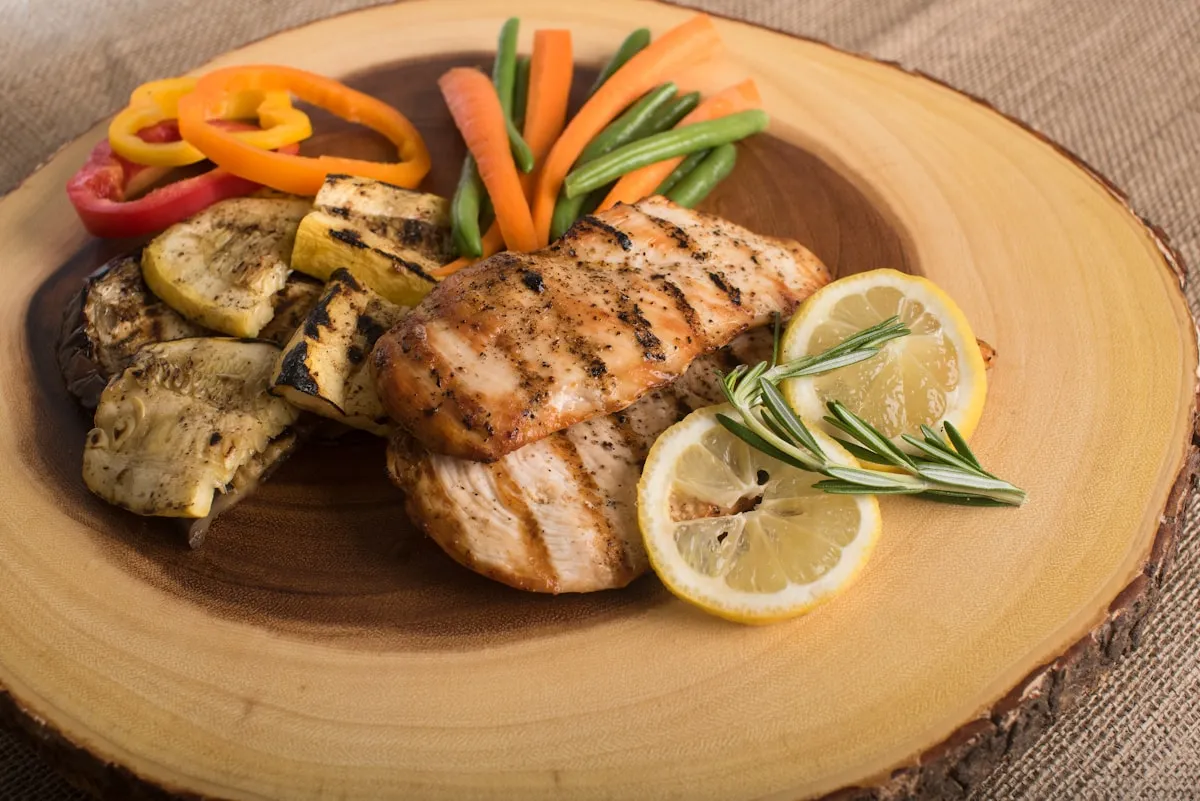
Dry your chicken thoroughly. Use a paper towel to remove every drop of moisture from the skin before seasoning. Moisture is the enemy of the sear; if the chicken is damp, it will steam instead of brown. Heat your oil until it shimmers. Do not rush this. Once the chicken hits the pan, leave it alone. If you try to flip it and it sticks, it isn't ready. When that golden crust forms, the meat will naturally release from the surface.
The Physics of Rice Hydration
Cooking rice in a pot with chicken is different from using a dedicated rice cooker. You have to account for the "chicken juice factor." As the chicken finishes cooking on top of the rice, it releases fat and moisture into the pot.
Adjust your liquid ratios. While a standard 1:2 ratio works for plain water and rice, you should aim for closer to 1:1.5 when making one-pot meals with bone-in chicken thighs. If you add too much broth, you’ll end up with a mushy mess. Toast your rice. Before adding the liquid, stir your dry rice into the rendered chicken fat and aromatics for a minute or two. This coats each grain in fat, which helps them stay separate and adds a nutty complexity that plain boiled rice simply can't match.
Layering Aromatics for Maximum Impact
Lemon and herbs are the stars here, but you have to know when to introduce them. Lemon zest contains essential oils that are heat-stable and fat-soluble, so add the zest early with your garlic and onions. The juice, however, is high in volatile acids that dull when cooked for a long time.
Add lemon juice at the finish. Save the squeeze of fresh juice for the very end to keep the acidity bright and vibrant. For the herbs, use hardy ones like rosemary or thyme during the simmering phase, and save delicate ones like parsley or cilantro for the final garnish. This ensures you get both deep, infused flavor and fresh, herbal notes in every bite.
Flavor Profiles & Variations
While the lemon-herb combo is a classic for healthy dinner ideas, don't feel like you are locked into one flavor profile. Once you master the "sear, toast, simmer" technique, the world is your oyster, or your chicken pot.
Mediterranean Twist
Swap the standard yellow onion for shallots and add a handful of kalamata olives and sun-dried tomatoes when you toast the rice. This adds a salty, briny punch that perfectly complements the lemon. If you are looking for more Mediterranean inspiration, check out my Lemon Herb Salmon for a similar bright profile.
Spicy Citrus
If you want some heat, add a teaspoon of red chili flakes or a diced jalapeño to the aromatics. Replace half the lemon juice with lime juice and use cilantro as your primary herb. It transforms the dish into something reminiscent of a zesty lime-infused chicken that the whole family will love.
Low-Carb Adjustments
While rice is traditional, you can adapt this for a keto lifestyle. Instead of long-grain rice, use cauliflower rice. However, because cauliflower rice releases its own moisture and cooks in minutes, you’ll want to sear the chicken fully first, remove it, and then quickly sauté the cauliflower rice with the herbs and lemon for only 3-5 minutes. For more low-carb inspiration, my guide to keto one-pot mastery is a great resource.
Balance on the Plate: Side Dish Pairings
Even the best one-pot meals benefit from a little company. Since this chicken and rice dish is rich with chicken fat and starch, you need something high in fiber and acidity to balance the palate.
Focus on crunch. A simple arugula salad with a sharp vinaigrette is my go-to. The peppery bite of the arugula cuts right through the savory rice. If you prefer cooked vegetables, try some quickly roasted asparagus or broccoli. To keep your kitchen streamlined, you can even use your air fryer for the sides while the main pot simmers. I often pair this with honey garlic pork chops on other nights, but for this meal, a simple roasted broccoli is perfection.
Keep it light. Avoid heavy, creamy sides. You already have plenty of richness from the chicken skin and the butter-toasted rice. Think green, bright, and crisp.
The Home Cook’s Trouble-Shooting Guide (FAQ)
Why is my rice always mushy?
Mushy rice usually happens for two reasons: too much liquid or too much stirring. Use the 1:1.5 ratio I mentioned earlier. Once you put the lid on that pot, do not touch it. Stirring releases starch from the rice grains, which turns the water into a thick paste. Let the steam do the work.
Can I use chicken breasts instead of thighs?
You can, but I don't recommend it for this specific technique. Breasts are lean and dry out quickly. By the time the rice is tender, the breast meat will likely be overcooked. Thighs have more connective tissue and fat, which makes them much more forgiving during a 20-minute simmer. If you must use breasts, cut them into large chunks and add them halfway through the rice's cooking time.
What if the bottom of my rice is burnt?
A little bit of "socarrat" (the crispy bottom) is actually a delicacy in many cultures, but black, bitter rice is not. This happens when your heat is too high. Once the liquid reaches a boil, drop the heat to the lowest possible setting. If your stove runs hot, use a flame tamer or heat diffuser.
Is this a good option for quick family meals?
Absolutely. Beyond the active searing time, it’s mostly hands-off. It’s one of those healthy dinner ideas that tastes like you spent hours in the kitchen when you really just understood the timing. If you’re looking for even faster options, I suggest looking into air fryer recipes dinner enthusiasts swear by, as they can shave even more time off your prep.
How do I store and reheat leftovers?
Store in an airtight container for up to three days. When reheating, add a splash of water or broth to the rice before microwaving or heating on the stove. This recreates the steam needed to fluff the grains back up so they aren't hard and dry.
Can I use brown rice?
Yes, but you will need to significantly increase the liquid and the cooking time (usually 45 minutes instead of 20). If you go this route, sear the chicken but don't add it to the pot until the last 20 minutes of the brown rice's cook time, or it will turn to rubber. For a faster alternative to long-grain grains, consider a teriyaki beef stir-fry on nights when you're really short on time.
{“@type”:”BlogPosting”,”image”:”https://cdn.marblism.com/kNgbWC1Yv43.webp”,”author”:{“name”:”Penny”,”@type”:”Person”},”@context”:”https://schema.org”,”headline”:”One-Pot Lemon Herb Chicken and Rice”,”publisher”:{“logo”:{“url”:”https://cdn.marblism.com/KxroJ1kM_KA.webp”,”@type”:”ImageObject”},”name”:”Cookpedia”,”@type”:”Organization”},”description”:”A comprehensive guide to mastering One-Pot Lemon Herb Chicken and Rice, focusing on the science of searing, rice hydration, and flavor layering.”,”datePublished”:”2026-07-08″,”mainEntityOfPage”:{“@id”:”https://cookpedia.com/one-pot-lemon-herb-chicken-rice”,”@type”:”WebPage”}}