Recipe
Servings
Servings 1×
Ingredients
- Chicken
- Tofu
- Quinoa
- Rice
- Broccoli
- Cucumber
- Garlic
- Fresh ginger
- Lime
- Honey
- Cooking oil
- Soy sauce or tamari
- Chili seasoning
- Salt
Method
- Pat your chicken dry before it hits the pan; moisture is the enemy of the sear.
- Keep the pieces small and uniform so they cook through in the time it takes to hum your favorite song.
- Use a 1:2 ratio of starch to water, and pour it in slowly.
- Heat your oil until it shimmers, sear the chicken fast, and then pull it out if you need to cook a large batch of vegetables.
If you’re currently staring at your phone about to hit "order" on a delivery app, put it down. I’m about to save your evening and your wallet. Most people think great takeout flavors require a three-day marinade and a professional kitchen, but my 15-minute Teriyaki Chicken and Broccoli is proof that you can outrun the delivery driver every single time. It’s the ultimate solution for those nights when the kitchen feels like a battlefield and your hunger is winning. This isn't just "fast food": it's real food, made better.
The Science of the Sizzle: Heat and Thickness
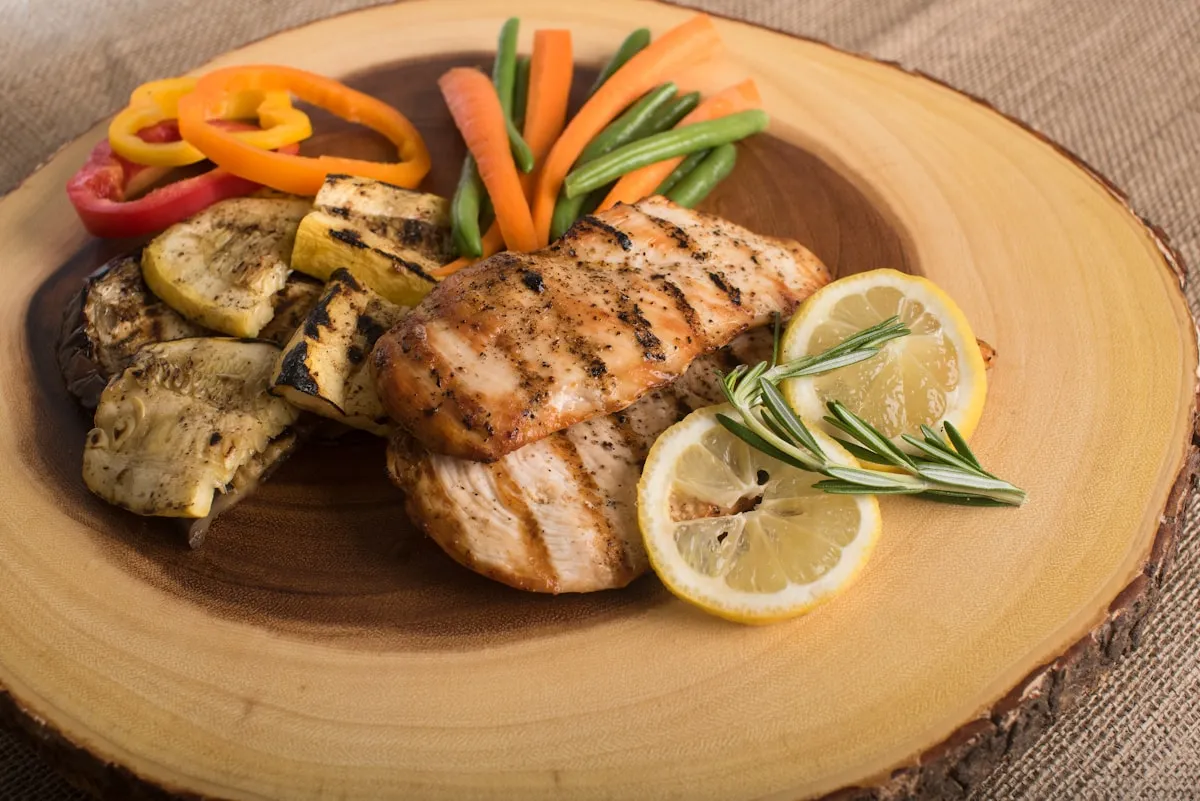
Getting a restaurant-quality glaze in under fifteen minutes isn't magic; it’s chemistry. To win at 15-minute meals, you must understand two critical concepts: the Maillard reaction and starch gelatinization.
First, let’s talk about that chicken. If you throw cold, damp meat into a lukewarm pan, it will boil in its own juices, turning grey and rubbery. Avoid this at all costs. You need a screaming hot pan. When the chicken hits that high heat, the Maillard reaction occurs: this is the chemical reaction between amino acids and reducing sugars that gives browned food its distinctive, savory flavor. Pat your chicken dry before it hits the pan; moisture is the enemy of the sear. Keep the pieces small and uniform so they cook through in the time it takes to hum your favorite song.
Now, for that iconic glossy sauce. You have two paths: reduction or a cornstarch slurry. If you have time to simmer, reduction concentrates the sugars and creates a deep, clear glaze. But we’re on a clock here. This is where starch gelatinization comes to the rescue. When you add a cornstarch slurry to your hot pan, the starch granules absorb the liquid and swell, creating a network that thickens the sauce almost instantly.
A firm non-negotiable: always mix your cornstarch with a cold liquid before adding it to the pan. If you drop dry powder into a hot sauce, you’ll get "starch lumps" that are impossible to break down. Use a 1:2 ratio of starch to water, and pour it in slowly. Watch as the cloudy liquid turns translucent and clings to every piece of chicken and broccoli. Stop cooking the second it looks glossy; the sauce will continue to thicken as it cools. Overcooking it will turn your dinner into a gummy mess, and nobody wants that.
Smart Swaps and Flavor Profiles
While this classic version is a staple for quick family meals, don't be afraid to pivot based on what's in your fridge. If you’re looking for healthy dinner ideas that cut down on sugar, swap the traditional brown sugar in the sauce for a splash of orange juice or a touch of honey. The acidity in the orange juice provides a bright contrast to the salty soy sauce while still providing enough natural sugar to help with that all-important caramelization.
For a plant-based twist, tofu or tempeh works beautifully. Just remember that tofu contains much more water than chicken. You must press it firmly to remove excess moisture if you want any hope of achieving a crisp exterior. If you’re a fan of air fryer recipes dinner, you can even crisp up your protein in the air fryer while you simmer the sauce and steam the broccoli on the stovetop. This separation of tasks ensures the textures stay distinct: crunchy protein meets tender-crisp greens.
Balancing Your Plate: Side Pairings
A heavy, sweet-and-savory glaze needs a partner that can handle the intensity without competing for attention. Fluffy jasmine rice is the traditional gold standard for a reason; its floral aroma and neutral base soak up the extra sauce like a sponge.
However, if you want to keep things light, consider a quick smashed cucumber salad with rice vinegar and chili flakes. The cold, acidic crunch of the cucumbers cuts through the richness of the teriyaki, cleansing your palate between bites. Quinoa is another fantastic option for those seeking a protein boost, as its nutty flavor complements the ginger and garlic in the sauce. Whatever you choose, keep the side dish simple. The star of the show is the glaze, so don’t overcomplicate the supporting cast.
Master the Stir-Fry: FAQ
Why is my chicken tough and dry?
You likely overcooked it or used a pan that wasn't hot enough. When chicken sits in a low-heat pan for too long, it loses its internal moisture before the outside can brown. Heat your oil until it shimmers, sear the chicken fast, and then pull it out if you need to cook a large batch of vegetables. Only bring it back in at the final stage to coat it in the sauce.
Can I use frozen broccoli?
You can, but proceed with caution. Frozen broccoli releases a lot of water as it thaws. If you toss it directly into the pan with the chicken, you’ll drop the temperature and end up with soggy results. For the best 15-minute outcome, microwave the frozen broccoli for 2 minutes first, drain any water, and then toss it in at the very end just to glaze it.
My sauce is too salty. How do I fix it?
This usually happens if you use standard soy sauce instead of low-sodium, or if you reduce the sauce for too long. Do not add more salt! Instead, add a splash of water, a squeeze of lime juice, or a little extra sugar to balance the saltiness. The acidity from the lime is particularly effective at "resetting" the flavor profile.
What if I don't have cornstarch?
Arrowroot powder is a perfect 1:1 substitute. If you have neither, you’ll have to rely on reduction. Crank the heat and let the sauce bubble until the water evaporates and the sugars become syrupy. It will take an extra 5 minutes, but the flavor will be even more concentrated.
How do I make it spicy?
Teriyaki is naturally sweet, but a teaspoon of sambal oelek or sriracha whisked into the sauce adds a "back of the throat" heat that works perfectly. Alternatively, toss in some dried red chili flakes during the initial aromatics stage (when you cook the ginger and garlic) to infuse the oil with heat.
{“@type”:”BlogPosting”,”image”:”https://cdn.marblism.com/k27rl-Z2YC0.webp”,”author”:{“name”:”Penny”,”@type”:”Person”},”faqPage”:{“@type”:”FAQPage”,”@context”:”https://schema.org”,”mainEntity”:[{“name”:”Why is my chicken tough and dry?”,”@type”:”Question”,”acceptedAnswer”:{“text”:”You likely overcooked it or used a pan that wasn’t hot enough. High heat and fast cooking are essential to keep moisture inside the chicken pieces.”,”@type”:”Answer”}},{“name”:”Can I use frozen broccoli?”,”@type”:”Question”,”acceptedAnswer”:{“text”:”Yes, but microwave and drain it first to prevent excess water from ruining the sear and thinning the sauce.”,”@type”:”Answer”}},{“name”:”How do I fix a sauce that is too salty?”,”@type”:”Question”,”acceptedAnswer”:{“text”:”Balance the saltiness with a splash of water, a squeeze of lime juice, or a bit of extra sugar.”,”@type”:”Answer”}}]},”@context”:”https://schema.org”,”headline”:”15-Minute Teriyaki Chicken and Broccoli”,”publisher”:{“logo”:{“url”:”https://cookpedia.com/logo.png”,”@type”:”ImageObject”},”name”:”Cookpedia”,”@type”:”Organization”},”description”:”A family favorite that’s faster than takeout. Learn the science of the perfect 15-minute Teriyaki Chicken and Broccoli glaze.”,”datePublished”:”2026-07-08″,”mainEntityOfPage”:{“@id”:”https://cookpedia.com/15-minute-teriyaki-chicken-broccoli”,”@type”:”WebPage”}}