Recipe
Servings
Servings 1×
Ingredients
- Salmon
- Quinoa
- Orzo
- Pasta
- Bread
- Asparagus
- Lemon
- Mustard
- Pesto
- Feta
- Cooking oil
Method
- Pat your salmon fillets completely dry with a paper towel before a drop of oil touches them.
- Give every spear and fillet its own personal bubble.
- Use a large, rimmed half-sheet pan to maximize airflow.
- Roast the thick ones alongside the salmon and add the thin ones halfway through to prevent them from turning into carbon.
- Use the "flake test." Press down gently on the top of the fillet with a fork or your finger.
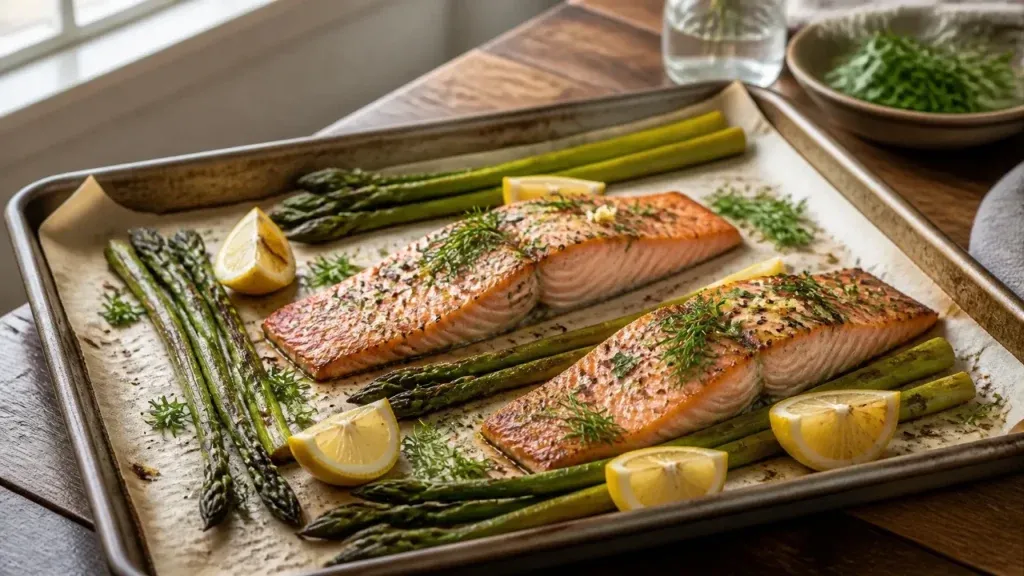
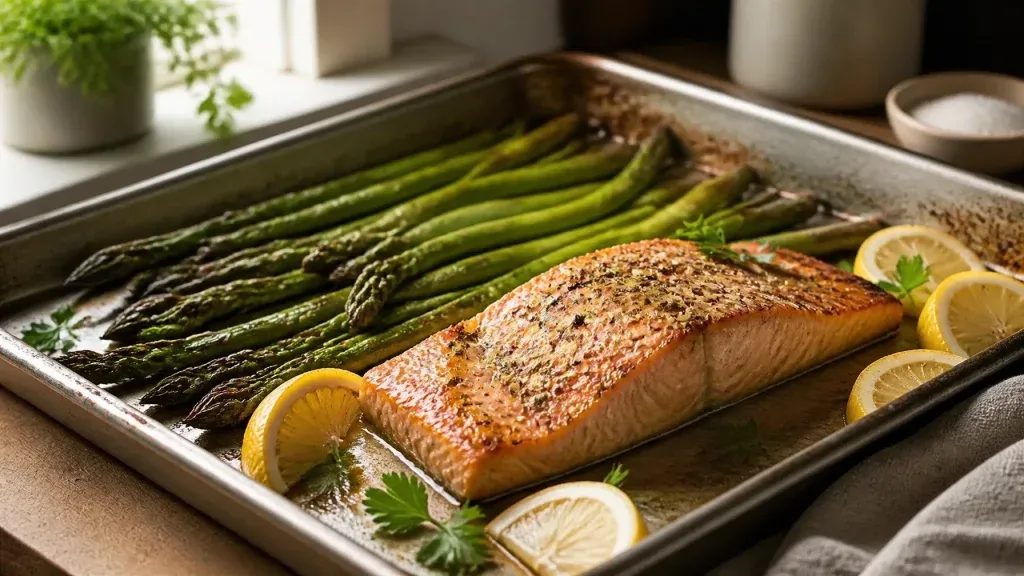
You know those evenings when the clock is ticking, the family is hungry, and the last thing you want to do is scrub four different pots and pans? I’ve been there more times than I can count. That is exactly why I lean so heavily on the sheet pan method. It’s the ultimate hack for healthy dinner ideas that don’t require a culinary degree or a kitchen cleanup crew. Today, we’re diving into a classic: Lemon Herb Salmon and Asparagus. It’s elegant enough for a Saturday night but fast enough for a Tuesday at 6:00 PM.
The Science of the Perfect Roast
To master this dish, you have to understand the battle between dry heat and steam. When you place protein and vegetables in a hot oven, you want the Maillard reaction: that magical chemical process where amino acids and sugars react to create a browned, savory crust. If your salmon or asparagus is soaking wet, that heat goes toward evaporating water instead of browning the food. You end up steaming your dinner, resulting in pale, mushy fish. Pat your salmon fillets completely dry with a paper towel before a drop of oil touches them. This is the single most important step for texture.
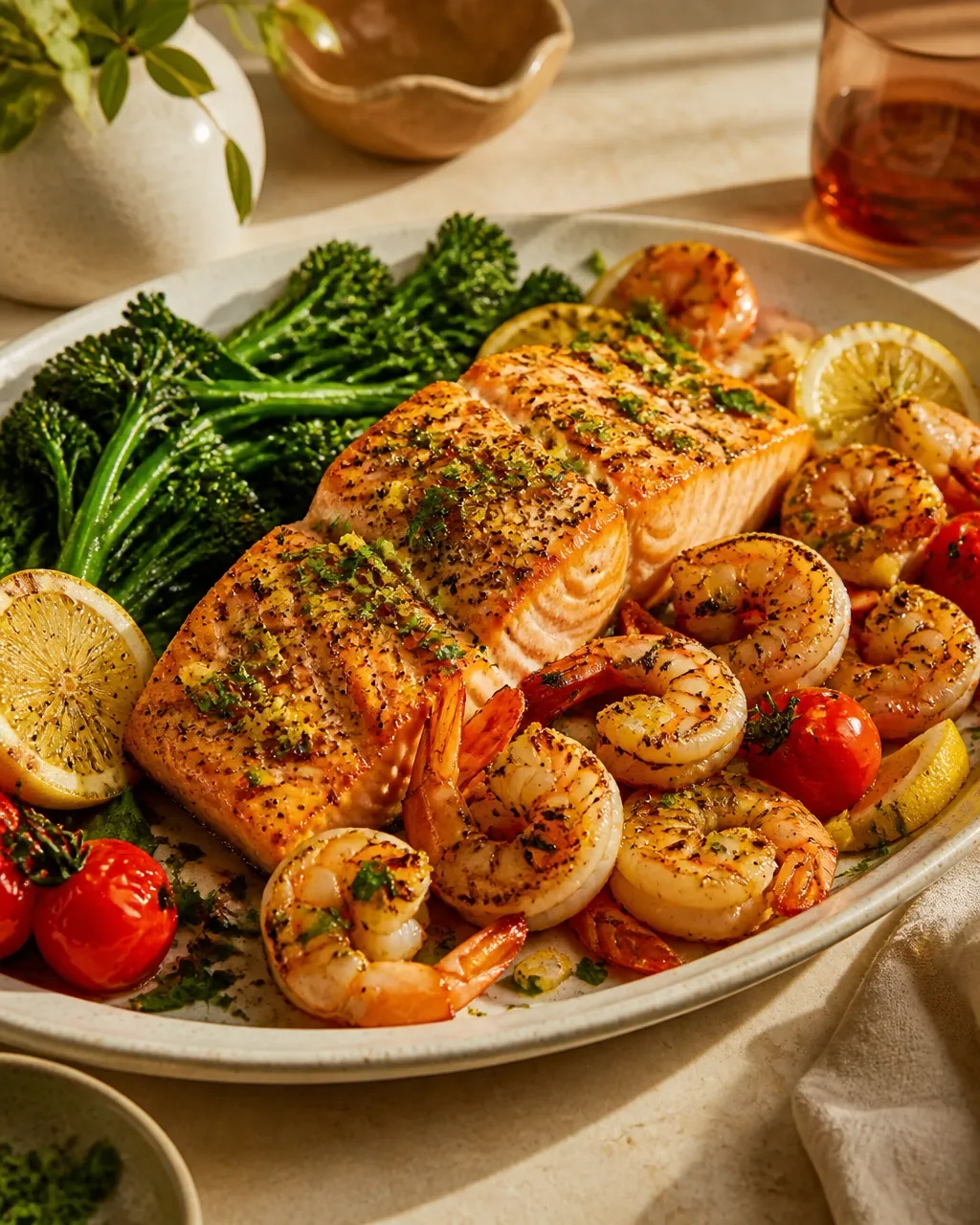
Temperature control is your next priority. Salmon is a delicate protein. If you cook it to 145°F (the USDA recommendation), it often ends up dry and chalky by the time it reaches your plate. Instead, aim to pull the pan when the internal temperature hits 120°F to 125°F. Carryover cooking: the heat remaining in the food after it leaves the oven: will finish the job while the fish rests. If you see white bubbles (albumin) pushing out of the salmon, it’s a sign the muscle fibers are contracting too tightly and pushing out moisture. Get it out of the oven immediately!
Spacing on the pan is equally vital. Avoid crowding the ingredients. If the asparagus spears are piled on top of each other, they will trap moisture and turn limp. Give every spear and fillet its own personal bubble. Use a large, rimmed half-sheet pan to maximize airflow. This ensures the hot air can circulate around every inch of the food, giving you those coveted crispy charred tips on the asparagus.
Finally, don't ignore the prep for your greens. Asparagus stalks have a "woody" base that is full of lignin, a tough fiber that no amount of roasting will soften. Trim at least an inch or two off the bottoms, or use the "snap" method to find the natural breaking point. If you have a mix of jumbo and pencil-thin spears, separate them. Roast the thick ones alongside the salmon and add the thin ones halfway through to prevent them from turning into carbon.
Flavor Variations to Keep it Fresh
While lemon and herbs are the gold standard, you can easily pivot this dish to suit your mood. If you’re a fan of quick family meals with a bit of a kick, try a Mediterranean twist. Swap the lemon for a thin layer of basil pesto and top the salmon with crumbled feta during the last two minutes of roasting. The saltiness of the feta cuts through the richness of the salmon perfectly.
For a sweet and savory profile, whisk together Dijon mustard and a touch of maple syrup. This glaze creates a beautiful lacquered finish on the fish and helps the asparagus caramelize. If you like a bit of texture, you can even borrow a trick from my air fryer everything bagel salmon and press a seed blend onto the top of the fillets before roasting. The seeds toast in the oven, providing a crunch that contrasts beautifully with the flaky fish.
Balancing the Plate: Side Dish Pairings
Even the best sheet pan meal needs a sidekick to make it a complete feast. Since the salmon and asparagus are quite rich and earthy, look for sides that provide acidity or a light, fluffy texture. A quick Mediterranean quinoa bowl base works wonders here. The nuttiness of the quinoa soaks up the stray lemon juice and salmon fats left on the pan.
If you prefer pasta, a light orzo tossed with fresh parsley and a splash of vinegar is excellent. The goal is to avoid anything too heavy or creamy that might compete with the salmon’s natural fats. A simple arugula salad with a sharp vinaigrette also provides a peppery bite that cleanses the palate between forkfuls of buttery fish.
Troubleshooting Your Sheet Pan Dinner (FAQ)
What if I only have frozen salmon?
You can absolutely use frozen fillets, but thaw them completely in the refrigerator overnight first. Frozen fish releases much more moisture than fresh. After thawing, you must be extra diligent about patting the surface dry. If you try to roast from frozen, the outside will overcook and become rubbery before the center even begins to warm up.
Can I make this in an air fryer?
Yes! While we’re focusing on the oven today, many air fryer recipes dinner enthusiasts use the same principles. The air fryer is essentially a high-powered convection oven. Just keep in mind that space is limited; you may need to cook in batches or use a smaller amount of asparagus to ensure the air can circulate properly.
Why is my asparagus always mushy?
You are likely either crowding the pan or cooking them at too low a temperature. High heat (400°F or higher) is necessary to evaporate the moisture quickly. Also, check the thickness of your spears. Thinner spears only need about 8–10 minutes, while thick ones can handle the full 12–15 minutes the salmon requires. If your salmon fillets are particularly thick, add the asparagus to the pan 5 minutes after the fish has started roasting.
How do I know the salmon is actually done without a thermometer?
Use the "flake test." Press down gently on the top of the fillet with a fork or your finger. If the flakes of the fish separate easily along the white lines (the fat layers), it’s ready. The center should still look slightly translucent and "moist" rather than opaque and dry. Don't wait until the whole fillet is the same color throughout, or it will be overdone by the time you sit down to eat.
My salmon stuck to the pan! What happened?
You likely didn't use enough oil or your pan wasn't hot enough when the fish went in. To prevent this, you can line your sheet pan with parchment paper. Avoid using aluminum foil for the fish if you want to prevent sticking, as the skin tends to bond to the foil. If you must use foil, coat it generously with a high-smoke-point oil.
{“@type”:”BlogPosting”,”image”:”https://cdn.marblism.com/fMeiQt8Vv0Z.webp”,”author”:{“name”:”Penny”,”@type”:”Person”},”@context”:”https://schema.org”,”headline”:”Healthy Weeknight Dinners: Sheet Pan Lemon Herb Salmon and Asparagus”,”keywords”:”air fryer recipes dinner, quick family meals, healthy dinner ideas, sheet pan salmon, roasted asparagus”,”publisher”:{“logo”:{“url”:”https://cookpedia.com/logo.png”,”@type”:”ImageObject”},”name”:”Cookpedia”,”@type”:”Organization”},”description”:”Master the science of the perfect sheet pan salmon and asparagus with these professional tips on roasting, temperature control, and flavor variations.”,”datePublished”:”2026-07-17″,”articleSection”:”Healthy Cooking”,”mainEntityOfPage”:{“@id”:”https://cookpedia.com/healthy-weeknight-dinners-salmon-asparagus”,”@type”:”WebPage”}}