Recipe
Servings
Servings 1×
Ingredients
- Avocado
- Garlic
- Lemon
- Butter
- Cooking oil
- Black pepper
Method
- Prepare the ingredients described in the article and heat the cooking surface or oven as directed.
- Cook the main ingredients using the heat and timing guidance in the article.
- Finish with the seasonings and garnishes named in the article, then serve.
Getting a restaurant-quality sear on a delicate piece of fish at home is one of those culinary skills that feels like a magic trick once you master it. You walk into the kitchen with a couple of fillets and, literally 15 minutes later, you’re sitting down to a meal that looks and tastes like it cost forty dollars. Tilapia is the ultimate canvas for this; it’s mild, accessible, and cooks in a flash. If you’ve been hunting for quick healthy meals that don't require a culinary degree, this pan-seared tilapia is about to become your new weeknight obsession.
The Science of the Perfect Sear: Heat, Moisture, and the Maillard Reaction
When we talk about "searing," we aren't just talking about making the fish hot. We are talking about the Maillard reaction: the chemical reaction between amino acids and reducing sugars that gives browned food its distinctive flavor. To get this right with tilapia, you have to manage two major enemies: moisture and low temperature.
The War on Moisture
Water is the enemy of the crust. If your fish is damp when it hits the pan, the heat of the oil will first go toward evaporating that surface water rather than browning the protein. This creates steam, and steam leads to soggy, grey fish. You must pat your fillets bone-dry. Don't just give them a quick dab; use several paper towels and press firmly on both sides until the surface looks matte and feels tacky. This is a non-negotiable step for any of our healthy dinner ideas.
Heat Management and Fat Selection
Your pan needs to be hot: but not smoking-point-of-an-engine-fire hot. Use a fat with a high smoke point, like avocado oil or a high-quality grapeseed oil. If you want that rich, buttery flavor, add a small knob of butter only in the last two minutes of cooking. Adding it too early will result in burnt milk solids, which taste bitter and look unappealing.
When the oil shimmers like liquid silk, that’s your cue. Lay the fish away from you to avoid splashes. Once it’s in, do not move it. This is the hardest part for most home cooks. That initial contact is where the crust forms. If you try to slide a spatula under it too soon, the delicate flesh will tear, and you'll lose that beautiful golden layer. The fish will "release" itself from the pan naturally once the sear is set.
Internal Temperature: The "Just Right" Zone
Fish proteins are delicate. Once they reach a certain temperature, they tighten up and squeeze out all their internal moisture, leaving you with something resembling a piece of dry cardboard. While the official recommendation is often higher, taking your tilapia off the heat when it hits 135–140°F (57–60°C) allows for "carry-over cooking" to bring it to a perfect, flaky 145°F while it rests. This is the secret to healthy weeknight dinners that actually taste succulent.
Flavor Variations to Keep Your Palate Guessing
One of the reasons I love tilapia for 15-minute meals is its versatility. While lemon and parsley are the classic gold standard, you can pivot the flavor profile in seconds depending on what’s in your pantry.
- The Keto Crust: If you are exploring keto for beginners, swap the traditional light flour dredge for a fine almond flour mixed with garlic powder. It provides a satisfying crunch without the carb count and adds a lovely nutty undertone that pairs beautifully with the mild fish.
- Mediterranean Zest: Instead of just parsley, add some dried oregano and a pinch of red pepper flakes to the seasoning rub. Finish with a drizzle of high-quality olive oil and a few capers. It’s an instant trip to the coast of Italy.
- Cajun Flare: For those who like a bit of heat, a heavy dusting of smoked paprika, cayenne, and dried thyme creates a "blackened" effect that stands up well to a cooling side dish.
Side Dish Pairings for a Balanced Plate
A great piece of fish needs a supporting cast that provides contrast. Since the tilapia is buttery and savory, you want something with acidity or a bit of crunch to balance the meal.
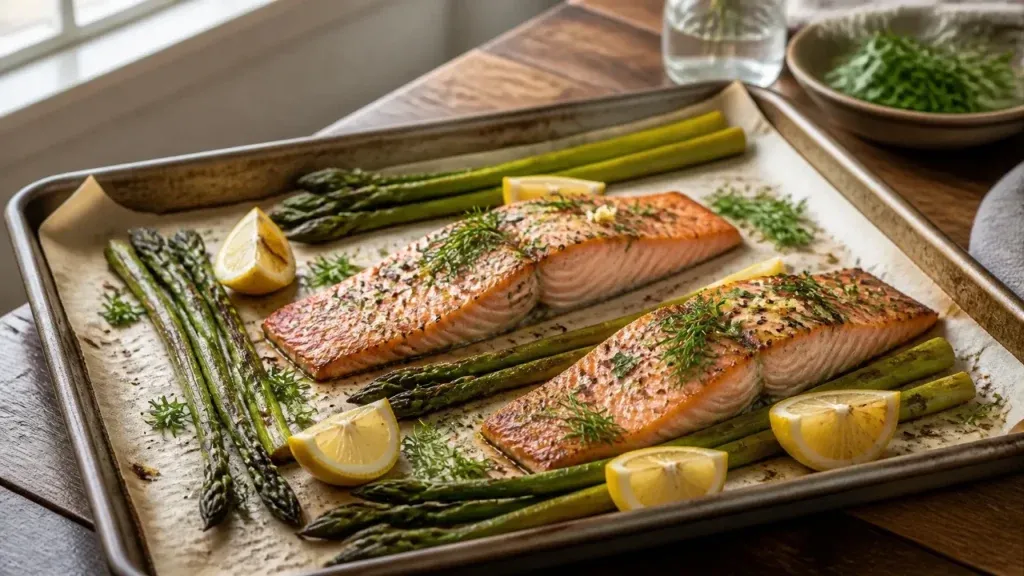
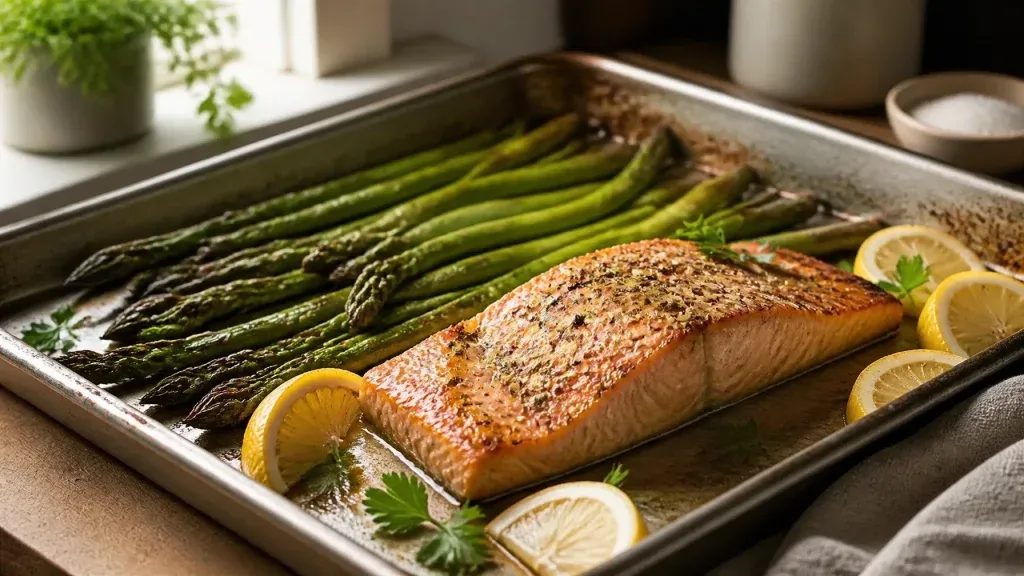
- Quick Veggie Power: Roasted asparagus or sautéed green beans are my go-to. They take roughly the same amount of time as the fish if you start them in a separate pan or the oven first. They provide the fiber and nutrients that make these quick family meals so effective.
- Light Grains: A simple couscous or a quinoa salad with cucumbers and mint provides a refreshing base. If you're looking for budget-friendly recipes, a small portion of rice cooked with a bouillon cube is incredibly satisfying.
- The Salad Route: A bright arugula salad tossed in a simple lemon vinaigrette mirrors the acidity on the fish and keeps the meal light, making it one of the best plant-based dinner ideas when you swap the fish for a seared tofu block using the same technique!
Frequently Asked Questions
Why does my tilapia always stick to the pan?
Sticking is usually caused by one of two things: a cold pan or wet fish. If the pan isn't hot enough, the proteins bond to the metal surface rather than searing. If the fish is wet, the steam prevents a crust from forming, which acts as a "non-stick" layer. Ensure your oil is shimmering and your fish is dry. Also, avoid using a "thin" pan; a heavy-bottomed skillet distributes heat more evenly and prevents hot spots that cause sticking.
Can I use frozen fillets for this?
Absolutely! Most tilapia is sold frozen. However, you must thaw it completely before cooking. If you try to sear a partially frozen fillet, the outside will burn before the middle is even lukewarm. Thaw them in the fridge overnight or in a sealed bag under cool running water for about 15-20 minutes. Once thawed, treat them exactly like fresh fish: especially the part where you pat them dry!
Is tilapia actually healthy?
Tilapia is a fantastic source of lean protein and is low in calories, making it a staple for anyone looking for quick healthy meals. While it doesn't have as many Omega-3s as salmon, it's an excellent, affordable way to get more seafood into your diet without breaking the bank.
Can I make this in an air fryer?
While this post focuses on the pan-sear for that specific crust, you can certainly adapt this for air fryer recipes dinner. Lightly spritz the seasoned fillets with oil and air fry at 400°F for about 8-10 minutes. You won't get the same Maillard browning as a skillet, but it's a great "hands-off" alternative when you're busy.
What if I don't have parsley?
Don't panic! Fresh chives, cilantro, or even a little bit of dill work wonders. The goal is a fresh, herbaceous "pop" to contrast the savory fish. If you have no fresh herbs at all, just double down on the lemon zest and maybe a crack of extra black pepper.
Should I leave the skin on?
Most tilapia fillets are sold skinless. If yours have skin, always start the sear skin-side down. The fat under the skin will render, giving you a potato-chip-like crunch that is absolutely delicious. If you prefer it without, simply flip and the skin will usually peel away easily once cooked, or you can have your butcher remove it beforehand.
This recipe is proof that you don't need a lot of time or fancy ingredients to make something spectacular. Whether you're a pro or looking for simple pasta alternatives, this tilapia is a winner. Happy cooking!
{“@type”:”FAQPage”,”@context”:”https://schema.org”,”mainEntity”:[{“name”:”Why does my tilapia always stick to the pan?”,”@type”:”Question”,”acceptedAnswer”:{“text”:”Sticking is usually caused by a cold pan or moisture on the fish surface. Ensure the pan is hot and the oil is shimmering before adding the fish, and always pat the fillets completely dry with paper towels beforehand.”,”@type”:”Answer”}},{“name”:”Can I use frozen fillets for pan-searing?”,”@type”:”Question”,”acceptedAnswer”:{“text”:”Yes, but they must be fully thawed before cooking to ensure even browning and to prevent the outside from burning while the inside remains cold.”,”@type”:”Answer”}},{“name”:”What is the ideal internal temperature for tilapia?”,”@type”:”Question”,”acceptedAnswer”:{“text”:”For the best moisture retention, remove the fish from the heat at 135–140°F. Carry-over cooking will bring it to the recommended 145°F while it rests.”,”@type”:”Answer”}},{“name”:”Can I cook tilapia in an air fryer?”,”@type”:”Question”,”acceptedAnswer”:{“text”:”Yes, air fry at 400°F for 8-10 minutes after lightly oiling the seasoned fillets. It is a convenient alternative for quick family meals.”,”@type”:”Answer”}}]}