Recipe
Servings
Servings 1×
Ingredients
- Salmon
- Fresh ginger
- Honey
Method
- Prepare the ingredients described in the article and heat the cooking surface or oven as directed.
- Cook the main ingredients using the heat and timing guidance in the article.
- Finish with the seasonings and garnishes named in the article, then serve.
If you have fifteen minutes, you have enough time to transform a plain piece of fish into a restaurant-quality masterpiece. I’m serious. This Honey Ginger Glazed Salmon is my go-to for those chaotic weeknights when the "what’s for dinner?" panic sets in. It’s sweet, punchy, and incredibly satisfying. We’re focusing on "real food" here, no complicated emulsions or fancy gadgets required. Just simple techniques that deliver high-impact flavor and a glossy finish that’ll make you look like a pro.
The Science of the Perfect Sear and Glossy Glaze
Cooking salmon isn't just about applying heat; it's about managing proteins and sugars. To get that iconic lacquered look, you need to understand why we treat the glaze and the fish as two separate entities until the very last moment.
First, let’s talk about the glaze. When you mix honey and ginger, you’re working with a high-sugar liquid. Honey caramelizes and eventually burns at a much lower temperature than it takes to cook the center of a thick salmon fillet. If you brush it on too early, you’ll end up with a charred, bitter exterior and a raw middle. The trick is to reduce the sauce until it's thick enough to "cling" to the fish. Simmering the glaze concentrates the sugars and drives off excess water, creating a syrup that forms a beautiful, shiny coating.
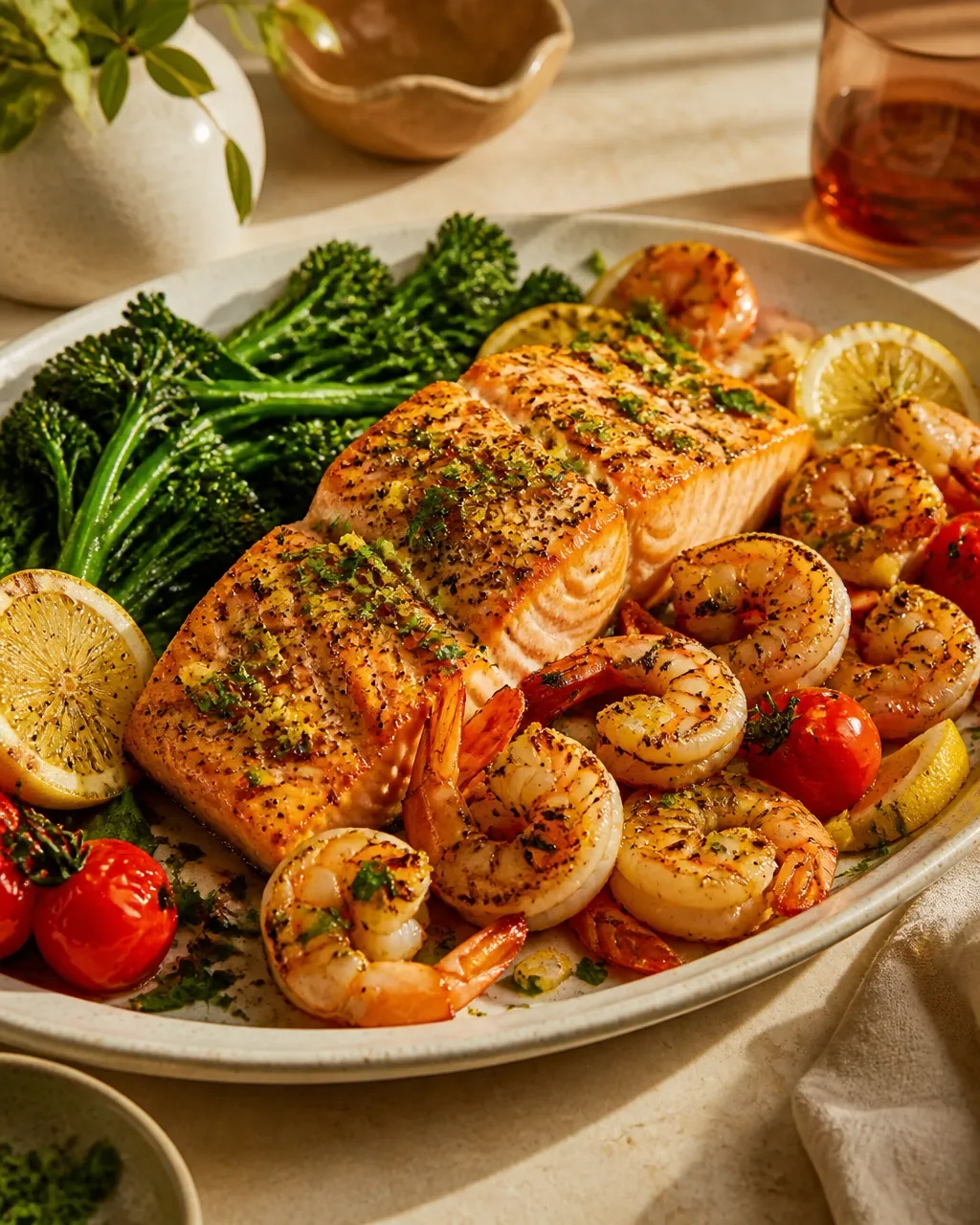
When it comes to the fish itself, your biggest enemy is albumin. You know that white, slightly unappealing stuff that sometimes leaks out of the sides of your salmon? That’s albumin. It’s a protein that gets pushed to the surface when the muscle fibers in the fish contract too quickly from high heat. To minimize this, pat your fillets bone-dry before they hit the heat. Moisture on the surface creates steam, which prevents a proper sear. By drying the fish, you allow the Maillard reaction, that glorious browning of proteins, to happen instantly.
If you’re looking for air fryer recipes dinner favorites, this method translates beautifully to that appliance too. The circulating air in an air fryer is excellent at rendering the fat and creating a crust, but you must still wait until the final two minutes to apply the honey-based glaze to avoid smoking and burning.
Aim for an internal temperature of 125°F to 130°F for medium-rare, or 145°F if you prefer it fully opaque and flaky. Always pull the fish off the heat about 5 degrees before your target. Carryover cooking is real; the residual heat will finish the job while the fish rests, ensuring it stays succulent rather than turning into a dry brick.
Variations to Keep It Interesting
While honey and ginger are a match made in heaven, you can easily tweak this recipe to suit whatever is in your pantry. If you want to cut through the richness of the salmon, try adding a tablespoon of rice vinegar or a squeeze of fresh lime juice to the glaze. The acidity provides a sharp contrast to the floral sweetness of the honey.
For those who enjoy a bit of heat, a teaspoon of Sriracha or some red chili flakes whisked into the glaze adds a wonderful "sweet-heat" dimension. If you’re leaning into healthy dinner ideas, consider swapping the honey for maple syrup for a deeper, woodier sweetness that pairs excellently with the zing of fresh ginger. You could even add a dash of toasted sesame oil at the very end to give it a nutty, aromatic finish.
Perfect Side Dish Pairings
The beauty of quick family meals like this is that the sides can be just as fast. Since the salmon is rich and glazed, you want something to balance the plate.
- Vibrant Greens: Steam some broccoli or sauté a handful of bok choy with a little garlic. The bitterness of the greens cuts right through the sweet glaze.
- Simple Grains: Fluffy white jasmine rice is the classic choice to soak up any extra sauce. For a lower-carb option, cauliflower rice works surprisingly well when seasoned with a bit of lime.
- Crispy Texture: If you have the oven on, roasted snap peas provide a lovely crunch that contrasts with the tender flakes of the salmon.
Common Questions and Troubleshooting
What if my glaze is too runny?
This usually happens if the sauce wasn't simmered long enough or if the salmon released too much moisture. To fix it, remove the salmon from the pan and let the sauce bubble on medium-high for another minute until it coats the back of a spoon. If you’re in a rush, a tiny cornstarch slurry (half a teaspoon of cornstarch mixed with a teaspoon of water) will thicken it instantly.
Can I use frozen salmon?
Yes, but you must thaw it completely and pat it dry. Frozen fish often holds more water, which can lead to a soggy texture if you aren't careful. I recommend thawing it overnight in the fridge or in a sealed bag under cold running water for 20 minutes.
Why is my ginger taste so "woody"?
This is usually a result of using old ginger or not grating it finely enough. Use a microplane or the finest side of your box grater to create a ginger paste. This ensures the flavor is distributed evenly throughout the glaze rather than leaving you with fibrous chunks.
My salmon is sticking to the pan. What did I do wrong?
Sticking usually happens for two reasons: the pan wasn't hot enough when you added the fish, or you tried to flip it too early. Salmon will naturally "release" from the pan once a proper crust has formed. Be patient! Give it those full 4-5 minutes undisturbed.
How do I store and reheat leftovers?
Salmon is best fresh, but leftovers make a great cold salad topper the next day. If you must reheat it, do so gently in a low-temperature oven or a skillet with a splash of water and a lid. Avoid the microwave if possible, as it tends to overcook the proteins and turn the fish rubbery.
Whether you're looking for quick family meals or just trying to expand your rotation of healthy dinner ideas, this glazed salmon is a reliable winner. It proves that you don't need an hour in the kitchen to produce something soulful and delicious. Use these tips, trust the science of the glaze, and you'll have a dinner that everyone actually looks forward to.
{“@type”:”FAQPage”,”@context”:”https://schema.org”,”mainEntity”:[{“name”:”What if my glaze is too runny?”,”@type”:”Question”,”acceptedAnswer”:{“text”:”If the glaze is too thin, remove the salmon from the pan and simmer the sauce on medium-high heat for an additional 1-2 minutes until it reduces and thickens. You can also use a small cornstarch slurry to thicken it quickly.”,”@type”:”Answer”}},{“name”:”Can I use frozen salmon for this recipe?”,”@type”:”Question”,”acceptedAnswer”:{“text”:”Yes, but it must be fully thawed and patted extremely dry with paper towels to ensure a proper sear and to prevent the glaze from becoming watery.”,”@type”:”Answer”}},{“name”:”How do I prevent the white stuff (albumin) from appearing on my salmon?”,”@type”:”Question”,”acceptedAnswer”:{“text”:”To minimize albumin, avoid overcooking the fish and don’t use excessively high heat for a prolonged period. Cooking the salmon to an internal temperature of 125-135°F and letting it rest helps keep the proteins from contracting too sharply.”,”@type”:”Answer”}},{“name”:”Is this recipe suitable for an air fryer?”,”@type”:”Question”,”acceptedAnswer”:{“text”:”Absolutely. It is a great option for air fryer recipes dinner. Cook the salmon at 400°F for about 7-10 minutes, applying the glaze only in the last 2 minutes of cooking to prevent the honey from burning.”,”@type”:”Answer”}}]}