Recipe
Servings
Servings 1×
Ingredients
- Chicken
- Asparagus
- Lemon
- Cooking oil
Method
- Use the simple technique below to keep the chicken juicy, the asparagus lively, and the whole meal far more exciting than its short ingredient list suggests.
- Use an instant-read thermometer and check the thickest part of the breast.
- Pat the chicken and asparagus dry before they meet the pan.
- Use enough oil to help conduct heat and carry the herbs across the surface, but avoid drowning the food.
- Use a large rimmed sheet pan when possible.
- Arrange the food in a single layer and keep the chicken from sitting directly on top of the asparagus.
When dinner needs to be healthy, quick, and genuinely satisfying, reach for this sheet-pan lemon herb chicken breast with asparagus. It brings lean protein, a green vegetable, bright citrus, and deeply savory roasted flavor together on one pan. That means less washing up and fewer chances for a rogue saucepan to ruin your evening. Use the simple technique below to keep the chicken juicy, the asparagus lively, and the whole meal far more exciting than its short ingredient list suggests.
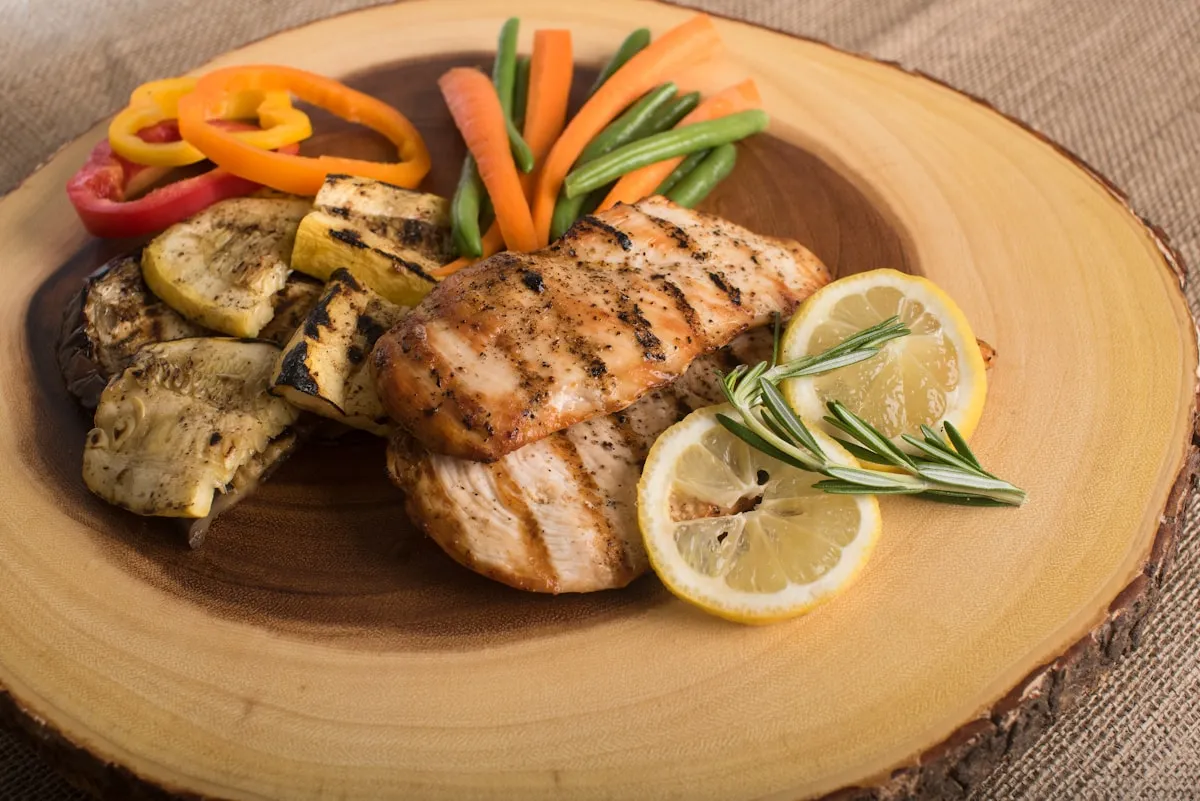
Tips & Technique: Make Heat, Moisture, and Timing Work Together
Start with evenly thick chicken
Chicken breast is wonderfully lean, but it has one annoying habit: it goes from juicy to dry with very little warning. Choose pieces with a similar thickness so they cook at roughly the same pace. If one end is dramatically thicker than the other, flatten it gently to create a more even shape.
Do not rely on the clock alone. Use an instant-read thermometer and check the thickest part of the breast. Chicken is considered safe at 165°F (74°C), measured internally. If you understand carryover cooking, you can remove thinner breasts a little earlier and let their temperature rise while they rest. For the simplest, most conservative approach, cook until the center reaches 165°F, then rest the chicken before slicing.
Dry the surface for better browning
Pat the chicken and asparagus dry before they meet the pan. This is not busywork. Surface moisture must evaporate before browning can happen, so a wet surface spends the early part of roasting generating steam instead of flavor.
Drying gives the Maillard reaction a better chance to work. This is the complex set of reactions between amino acids and sugars that creates browned color, roasted aromas, and savory depth. It is different from caramelization, which involves sugar alone. When your chicken develops a golden, herb-speckled surface, that color is not merely decorative. It is evidence that flavor has developed.
Use enough oil to help conduct heat and carry the herbs across the surface, but avoid drowning the food. Excess oil can make the pan greasy, while excess liquid creates steam. You want the chicken and asparagus lightly coated, not swimming.
Give the pan room
Crowding is the fastest way to turn a roasting pan into a steaming pan. Leave space around the chicken and asparagus so hot air can circulate and moisture can escape. If everything is packed together, the vegetables release water into the pan, the chicken surface stays pale, and the edges lose their chance to brown.
Use a large rimmed sheet pan when possible. Arrange the food in a single layer and keep the chicken from sitting directly on top of the asparagus. That allows the spears to roast rather than soften under a blanket of poultry.
Respect asparagus’s shorter cooking time
Asparagus is quick-cooking compared with chicken breast. Thin spears can become tender in a flash, while thick spears need more time to soften at the center. Watch the texture rather than chasing a precise number.
Aim for asparagus that bends slightly but still has some snap. The tips should show light browning, and the stalks should remain bright rather than dull olive. Add lemon juice after roasting instead of flooding the pan with it at the beginning. Early acidity can slow browning and make green vegetables lose some of their vibrant color. Lemon zest is a better pre-roast choice because it delivers aromatic citrus oils without adding much liquid.
Use herbs in two ways
Fresh herbs bring volatile aromatic compounds that make the dish smell as good as it tastes. Some of those compounds are delicate and disappear with prolonged heat, while others become rounder and deeper as they roast.
Use hardy herbs such as rosemary and thyme where they can withstand the oven. Save tender herbs such as parsley for the finish. This gives you both roasted herbal depth and a fresh, grassy lift at the table. Think of it as layering flavor instead of asking one sprig to do every job.
Finish with acid, then rest
Lemon is not there to make the chicken taste sour. It balances the richness of the oil and roasted juices. Fat spreads flavor and adds body, while acid sharpens the palate and keeps the dish from feeling heavy. That is why a modest squeeze at the end can make the entire plate taste brighter.
Rest the chicken before cutting. During roasting, its muscle fibers tighten and push moisture toward the center. Resting allows the juices to redistribute and lets carryover heat finish the cooking more gently. Slice too early, and the cutting board gets the juiciest part of dinner. Do not feed the board.
For more guidance on roasted chicken and the relationship between drying, heat, and browning, read Cookpedia’s simple lemon herb roasted chicken guide.
Variations: Keep the Technique, Change the Personality
Treat this dinner as a reliable template rather than a one-hit wonder. Keep the same dry-heat approach, then adjust the flavor direction.
Mediterranean lemon herb chicken
Lean into oregano, parsley, garlic, and a few briny accents such as olives or capers. The salty, sharp notes complement the lemon and make the chicken taste fuller without needing a heavy sauce.
Smoky paprika chicken
Add smoked paprika and a small pinch of cumin to the seasoning. The paprika supports browning and gives the chicken a warm, earthy color. Balance the smoky flavor with extra lemon or a crisp salad.
Mustard-herb chicken
A thin mustard coating adds tang, helps herbs cling, and contributes a little complexity to the pan juices. Choose a sharp mustard for a brighter result or a grainy variety for texture.
Chicken and vegetables beyond asparagus
Use green beans, broccoli, zucchini, or thinly sliced bell peppers when asparagus is out of season. Match the vegetable to the cooking time. Quick-cooking vegetables need less oven exposure, while dense pieces may need a head start. Keep the pan uncrowded no matter what you swap in.
For nights when you want a different fast-cooking method, browse Cookpedia’s quick meals collection or explore more air fryer recipes dinner options through the air fryer dinner category.
Side Dish Pairings: Add Contrast, Not Competition
This chicken already brings savory roasted flavor, citrus brightness, and a green vegetable. Choose sides that add contrast rather than piling on more richness.
Serve it with a peppery arugula salad dressed with lemon or vinegar. The bitterness and acidity reset your palate between bites. A simple quinoa, brown rice, or couscous side makes the meal more substantial and catches the flavorful pan juices.
For a cozy plate, add roasted baby potatoes, but include something sharp alongside them, such as a vinegary slaw or cucumber salad. The crispy potatoes echo the roasted chicken, while the acidic side prevents the meal from becoming too heavy.
Steamed broccoli or green beans also work well when you want more vegetables. Finish them with citrus after cooking, not before, to keep their flavor fresh and their color lively. These combinations make practical quick family meals without requiring a second elaborate recipe.
FAQ: What If the Chicken, Asparagus, or Pan Misbehaves?
What if my chicken breast is dry?
Check the internal temperature earlier and remove the chicken as soon as it reaches a safe temperature. Chicken breast contains little fat and connective tissue, so its proteins tighten quickly as heat rises. A few extra minutes can squeeze out a surprising amount of moisture.
Also check thickness. A thin breast may finish long before a thick one. Flatten uneven pieces before cooking, and always rest the chicken before slicing.
What if the asparagus is soft and dull?
It probably spent too long in a crowded, overly wet pan. Asparagus needs dry heat for roasted flavor, so give it space and avoid adding a lot of lemon juice or other liquid before roasting.
Choose spears of similar thickness when possible. Remove them when they are just tender and lightly browned rather than waiting for every stalk to become completely soft.
What if the chicken is done before the asparagus?
Do not keep cooking the chicken just to rescue the vegetables. Remove the chicken and let it rest while the asparagus finishes briefly in the oven. This protects the lean meat from overcooking and gives the vegetables the extra heat they need.
Cooking by appearance alone is unreliable for chicken, so confirm its internal temperature with a thermometer before deciding it is finished.
What if the pan is full of liquid?
The chicken or vegetables may have entered the oven wet, or the pan may be too crowded. Liquid lowers the surface temperature and encourages steaming, which reduces browning.
Pouring off some excess liquid can help, but do it carefully. Leave enough pan juices to flavor the chicken without allowing the food to sit in a puddle. Use a larger sheet pan next time, and dry the ingredients more thoroughly.
Can I marinate the chicken in lemon for several hours?
Use a moderate amount of lemon and avoid an excessively long marinade. Acid begins changing the proteins on the surface of the chicken. A short marinating period can improve flavor, but prolonged exposure may make the exterior soft or slightly mushy.
Add most of the lemon brightness after roasting. You will get a cleaner flavor and better browning.
What if I do not have fresh herbs?
Use dried herbs, but reduce the quantity because their flavor is more concentrated. Add tender fresh herbs at the end when available, or brighten the finished chicken with lemon zest, black pepper, or a small spoonful of mustard.
The technique matters more than having every herb in the drawer. Do not postpone dinner because rosemary is hiding from you.
How should I store leftovers?
Cool leftovers promptly, then refrigerate them in a covered container. Store the chicken and asparagus together or separately, depending on how you plan to reuse them.
Reheat gently so the chicken does not dry out. Slice it into a grain bowl, add it to a salad, or fold it into a wrap with crunchy greens and a sharp dressing. That is where this recipe becomes one of the most useful healthy dinner ideas in your rotation: dinner tonight becomes lunch tomorrow with almost no extra effort.
Can I use chicken thighs instead?
Yes, but expect a different texture and cooking schedule. Thighs contain more fat and connective tissue, so they are more forgiving and often benefit from cooking to a higher internal temperature for tenderness. Adjust the timing according to their size, and keep the asparagus from overcooking by adding it later if needed.
Why does the lemon make the dish taste less rich?
Acidity creates contrast. It cuts through the coating effect of fat and makes the browned chicken and herbs taste more distinct. Lemon does not remove richness; it keeps richness from dominating. Use it as a finishing tool, and the whole plate will taste lighter without becoming bland.