Recipe
Servings
Servings 1×
Ingredients
- Chicken
- Noodles
- Rice
- Potatoes
- Broccoli
- Asparagus
- Mushrooms
- Garlic
- Lemon
- Mustard
- Coconut milk
- Cream
- Butter
- Cooking oil
- Black pepper
Method
- Start with high heat and a high-smoke-point oil.
- Pat your chicken thighs bone-dry: moisture is the enemy of the sear.
- Place them in the pan and leave them alone.
- Keep the heat at a gentle simmer once the cream is in.
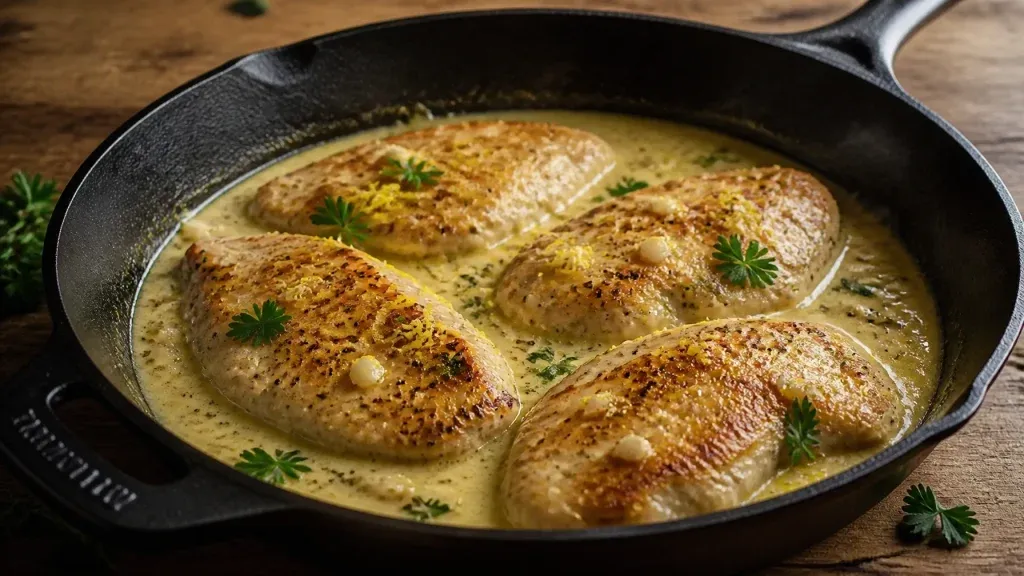
You know those nights when you’re staring into the fridge, hoping a gourmet meal will spontaneously assemble itself? This is that meal, but better. These creamy Dijon chicken thighs are the ultimate solution for anyone craving something sophisticated without the hour-long commitment. It’s soulful, it’s punchy, and it’s fast. We’re talking about a dish that turns a frantic Tuesday into a five-star experience in exactly fifteen minutes. Get ready to elevate your dinner game with the kind of minimalist magic that makes home cooking feel like a superpower.
The Science of the Sear and the Sauce
To master this dish, you need to understand what’s actually happening in that pan. Most people treat searing like a chore, but it’s the most critical step for flavor. When that chicken hits the heat, you’re looking for the Maillard reaction. This is a chemical dance between amino acids and reducing sugars that creates hundreds of different flavor compounds. Without that deep brown crust, your sauce will lack the "soul" that makes this recipe work.
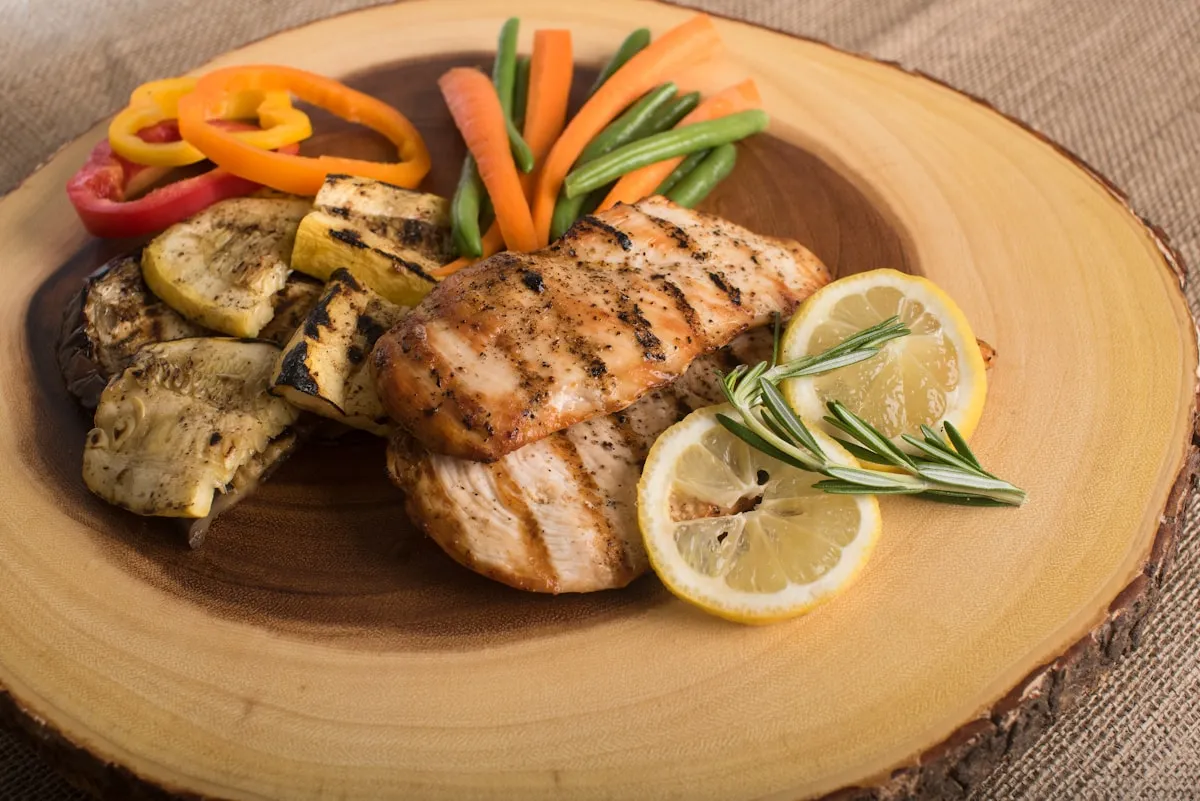
Start with high heat and a high-smoke-point oil. Pat your chicken thighs bone-dry: moisture is the enemy of the sear. If there’s water on the skin, the energy of the pan goes into evaporating that water (steaming) instead of browning the meat. Place them in the pan and leave them alone. Do not touch them. Do not wiggle them. You want that chicken to develop a crust that naturally releases from the metal. Once you flip them, you’ll notice brown bits stuck to the bottom of the pan. This is called "fond," and it is pure gold.
While the chicken finishes, you’re going to build an emulsion. This is where the Dijon mustard comes in as more than just a flavor booster. Mustard contains complex mucilage and stabilizers that act as an emulsifier. When you whisk it into your heavy cream and pan drippings, it helps bind the fats and liquids together into a stable, glossy sauce. This prevents that greasy separation that ruins many healthy dinner ideas.
Focus on the temperature of your thighs. Unlike breasts, which turn into shoe leather past 165°F, thighs are rich in connective tissue and collagen. To get that "fall-apart" texture, you actually want to aim for 180°F to 195°F. This higher heat melts the collagen into gelatin, providing that succulent mouthfeel that makes dark meat superior. If you’re looking for quick family meals that don't result in dry leftovers, the chicken thigh is your best friend.
Always deglaze with a bit of acid: whether it's a splash of dry white wine or a squeeze of lemon: before adding the cream. This lifts the fond off the pan and integrates those Maillard compounds directly into your sauce. Keep the heat at a gentle simmer once the cream is in. A violent boil can cause the dairy proteins to tighten and curdle, especially in the presence of the acidic mustard. Treat that sauce with a little respect, and it’ll reward you with velvet.
Flavor Variations for Every Mood
The beauty of this minimalist base is how easily it adapts to your pantry. If you want to lean into an earthy profile, sauté a handful of sliced cremini mushrooms in the pan fat before deglazing. The mushrooms will soak up the chicken essence and add a meaty texture that makes the dish feel even more substantial.
For those following a keto or low-carb lifestyle, this is one of those naturally healthy dinner ideas that doesn't feel like a compromise. You can swap the heavy cream for full-fat coconut milk if you’re avoiding dairy, though you’ll want to add an extra teaspoon of Dijon to help the emulsion stay stable and mask the slight coconut sweetness.
If you’re feeling spicy, a pinch of red pepper flakes or a tablespoon of whole-grain mustard adds a rustic texture and a bit of heat that cuts through the richness of the cream. You can also experiment with herbs; while thyme is the classic pairing for Dijon, tarragon offers a sophisticated anise-like note that feels very French bistro. Just remember: keep it simple. Don’t overcrowd the flavor profile.
The Perfect Side Dish Pairings
When you have a sauce this rich and bold, your side dishes need to provide balance. Think about acidity and texture. A bright, crisp green salad with a simple lemon vinaigrette is the perfect foil to the creamy, savory chicken. The acidity cleanses your palate between bites, making every forkful of chicken taste as good as the first.
If you’re in the mood for something heartier, roasted asparagus or broccolini works wonders. The charred bits of the vegetables echo the seared crust of the chicken. If you have an air fryer, you can toss these veggies in while the chicken is in the pan. Many air fryer recipes dinner enthusiasts know that the high-convection heat of the air fryer is perfect for getting that quick, crispy edge on greens without adding extra pans to your stovetop.
For the sauce-lovers, a crusty baguette or a small mound of garlic-infused mashed potatoes is non-negotiable. You’ve worked hard for that sauce; don't let a single drop go to waste. If you’re looking for a lighter carb option, this garlic butter ramen hack can actually be adapted using simple rice noodles to soak up every bit of that Dijon goodness.
Frequently Asked Questions
Why did my sauce separate and look greasy?
This usually happens for two reasons: too much heat or a lack of emulsifier. If the sauce boils too vigorously, the fat separates from the liquid. Next time, lower the heat to a simmer before adding the cream. Also, ensure you’re using enough Dijon; the mustard is the "glue" that holds the sauce together. If it breaks, try whisking in a teaspoon of cold cream or a tiny bit more mustard off the heat to bring it back.
Can I use chicken breasts instead of thighs?
You can, but you have to be much more careful. Breasts lack the fat and connective tissue of thighs, meaning they go from "done" to "dry" in a matter of seconds. If you use breasts, sear them quickly and remove them from the pan while you make the sauce, then only return them for the final 30 seconds to coat. For quick family meals, thighs are much more forgiving and stay juicy even if they spend an extra minute in the pan.
What is the best type of mustard to use?
Dijon is the gold standard here because of its smooth texture and sharp, vinegary bite. Avoid the bright yellow "ballpark" mustard; it’s too mild and has a different chemical makeup that won't emulsify as well. If you want texture, you can use a 50/50 mix of smooth Dijon and whole-grain mustard.
Is this recipe freezer-friendly?
Cream-based sauces generally don't freeze well as they tend to separate and become grainy when thawed. However, this is such a fast dish that it’s better made fresh. If you must have leftovers, reheat them gently on the stovetop with a splash of water or stock to loosen the sauce: never use the microwave on high power for cream sauces.
Can I make this in an air fryer?
While you can certainly cook the chicken in an air fryer, you’ll miss out on the pan-searing fond that makes the sauce so special. If you’re a fan of air fryer recipes dinner style, you could air-fry the chicken until crispy and then make the sauce separately in a small saucepan, but the flavor won't be quite as deep as the one-pan method.
How do I know when the chicken is actually done?
Use a meat thermometer. Don't guess. For thighs, you’re looking for at least 175°F. Unlike a steak, dark meat chicken actually gets more tender as it climbs toward 190°F because the collagen finally breaks down. If the meat is still resisting the fork, it probably needs another two minutes in that simmering sauce.
{“@type”:”BlogPosting”,”image”:”https://cdn.marblism.com/1Bl3YsKrdqj.webp”,”author”:{“name”:”Penny”,”@type”:”Person”},”@context”:”https://schema.org”,”headline”:”15-Minute Creamy Dijon Chicken Thighs: Minimalist & Soulful”,”keywords”:”air fryer recipes dinner, quick family meals, healthy dinner ideas, creamy dijon chicken, chicken thigh recipes”,”publisher”:{“logo”:{“url”:”https://cdn.marblism.com/KxroJ1kM_KA.webp”,”@type”:”ImageObject”},”name”:”Cookpedia”,”@type”:”Organization”},”description”:”Learn the science behind perfect 15-minute creamy Dijon chicken thighs. Discover how to master the Maillard reaction and emulsify the perfect mustard pan sauce for a quick, soulful dinner.”,”datePublished”:”2026-06-19″,”mainEntityOfPage”:{“@id”:”https://cookpedia.com/creamy-dijon-chicken-thighs”,”@type”:”WebPage”}}