Recipe
Servings
Servings 1×
Ingredients
- Chicken
- Tofu
- Pasta
- Noodles
- Cauliflower
- Asparagus
- Zucchini
- Spinach
- Avocado
- Garlic
- Lemon
- Butter
- Cooking oil
Method
- Prepare the ingredients described in the article and heat the cooking surface or oven as directed.
- Cook the main ingredients using the heat and timing guidance in the article.
- Finish with the seasonings and garnishes named in the article, then serve.
When life gets loud, I find my peace in the kitchen with a heavy-bottomed pan and the sharp, bright scent of lemons. You don’t need an hour or a sink full of dishes to create a meal that feels like a warm hug for your soul. This 15-minute lemon caper chicken is the ultimate solution for those nights when you’re craving something elegant but only have the energy for something simple. It’s a minimalist masterpiece that relies on technique rather than a long list of ingredients to deliver high-impact flavor.
The Science of the Perfect Sear
The secret to this dish isn’t a mystery; it’s chemistry. To get that restaurant-quality golden crust, you need to master the Maillard reaction. This is a chemical reaction between amino acids and reducing sugars that gives browned food its distinctive flavor. If your chicken looks pale and boiled, you’ve missed the Maillard magic.
First, pat your chicken dry. Use a paper towel and press firmly. Moisture is the enemy of the sear; any water on the surface of the meat will turn into steam, preventing the temperature from rising high enough to create that crust. You want the meat to hit the oil, not a cushion of water vapor.
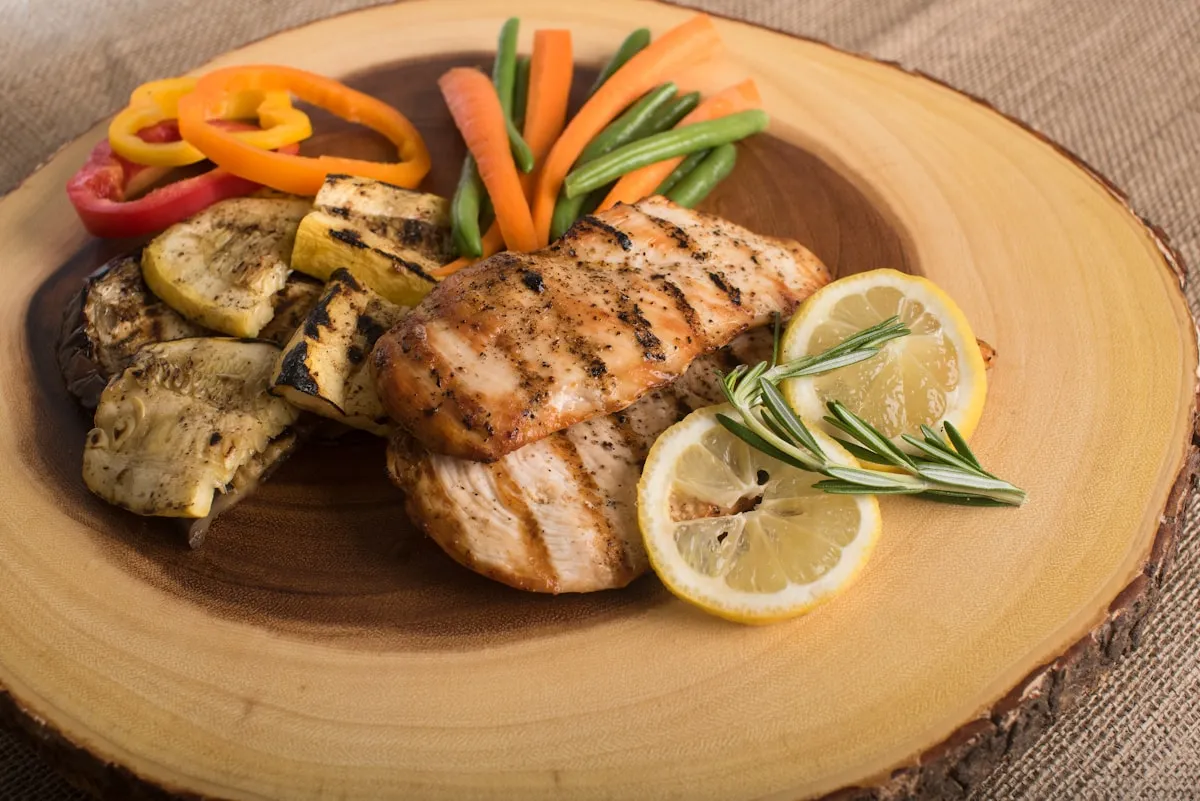
Next, respect the heat. Use a high-smoke-point oil like light olive oil or avocado oil. Wait until the oil shimmers before you even think about adding the meat. Once the chicken is in, do not touch it. It’s tempting to peek, but if the meat is sticking to the pan, it’s not ready to flip. The chicken will naturally release itself from the metal once that beautiful, caramelized crust has formed.
Deglazing: Liquid Gold in a Pan
Once your chicken is seared and resting, look at the bottom of your pan. Those brown bits are called "fond," and they are concentrated flavor. This is where we transition from a simple sear to a soulful sauce. Deglazing is the process of adding liquid to a hot pan to loosen these bits.
When you add lemon juice and a splash of stock (or white wine), the liquid boils rapidly, lifting the fond into the sauce. This creates a deep, savory base that balances the sharp acidity of the lemon. Capers are essential here; they bring a briny, salty punch that cuts through the richness of the butter we’ll use to finish.
Mount the sauce with cold butter at the very end. This is a classic French technique called monter au beurre. By whisking in cold butter off the heat, you create an emulsion: tiny fat droplets suspended in the liquid. This gives your sauce a glossy, velvety texture that clings to the chicken rather than just running off the plate. It's these little details that transform basic quick family meals into something truly special.
Soulful Variations for Every Table
While the classic version is hard to beat, you can easily adapt this dish to fit your lifestyle. If you are looking for healthy dinner ideas that are lower in saturated fat, you can swap the butter for a splash of high-quality extra virgin olive oil at the end. It won’t be as creamy, but the fruity notes of the oil pair beautifully with the lemon.
For my plant-based friends, use this same technique with thick slices of cauliflower or firm tofu. The Maillard reaction works on vegetables too! Just ensure the cauliflower is cut into "steaks" of even thickness so they sear uniformly. If you’re following a keto lifestyle, this dish is naturally low-carb; just be sure to skip any flour dredging and let the natural proteins do the work.
While this is a pan-seared classic, if you’re a fan of air fryer recipes dinner enthusiasts might enjoy, you can certainly air fry the chicken first for a hands-off approach. However, you’ll miss out on the pan fond, so I always recommend the stovetop method if you want that rich, soulful sauce.
Balancing the Plate: Side Dish Pairings
A dish this bright and acidic needs a partner that can ground it. I usually lean toward something that can soak up that liquid gold sauce.
- The Classic Starch: A bed of angel hair pasta or a simple garlic butter ramen (minus the heavy seasoning) works wonders. The noodles act as a canvas for the lemon and capers.
- The Green Balance: Sautéed baby spinach or blanched asparagus provides a fresh, earthy contrast. The slight bitterness of greens like arugula also pairs perfectly with the zingy lemon.
- The Low-Carb Option: Zucchini noodles or cauliflower mash are excellent if you want to keep the meal light but still want something to catch the extra sauce.
FAQ: Troubleshooting Your Pan Sauce
What if my sauce is too thin?
If your sauce looks watery, let it simmer for another minute or two to reduce the liquid before adding the butter. Reduction concentrates the flavors and thickens the consistency. If it's still too thin, ensure your butter is cold when you whisk it in; warm butter will just melt into oil rather than creating an emulsion.
Why does my lemon sauce taste bitter?
Bitterness usually comes from two places: burnt garlic or lemon seeds/pith. If you’re adding garlic, sauté it only until fragrant (about 30 seconds). Also, ensure you are only using the juice and maybe a little zest: avoid getting any of the white pith into the pan.
Can I use bottled lemon juice?
Avoid it. Bottled juice often has preservatives that give it a metallic aftertaste. For a dish with so few ingredients, the quality of your lemon is non-negotiable. Use fresh, heavy-for-their-size lemons for the best yield and flavor.
My chicken is dry. What happened?
You likely overcooked it or used a cutlet that was too thick. Aim for about 1/2-inch thickness. Use a meat thermometer and pull the chicken at 160°F (71°C). Carryover cooking will bring it to the safe 165°F while it rests, keeping the meat juicy and tender.
What if I don't like capers?
While they provide the signature saltiness, you can substitute them with chopped green olives or even a few spoonfuls of diced pickles if you're in a pinch. If you want to skip the brine entirely, add a little extra lemon zest and a pinch more salt to compensate.
{“@type”:”BlogPosting”,”image”:”https://cdn.marblism.com/jfVyEc8Mzh1.webp”,”author”:{“name”:”Cookpedia”,”@type”:”Organization”},”@context”:”https://schema.org”,”headline”:”15-Minute Lemon Caper Chicken: Minimalist & Soulful”,”publisher”:{“logo”:{“url”:”https://cdn.marblism.com/KxroJ1kM_KA.webp”,”@type”:”ImageObject”},”name”:”Cookpedia”,”@type”:”Organization”},”description”:”Learn the science behind the perfect 15-minute lemon caper chicken. Focus on the Maillard reaction, deglazing techniques, and soulful minimalist cooking for busy weeknights.”,”datePublished”:”2026-06-19″,”mainEntityOfPage”:{“@id”:”https://cookpedia.com/15-minute-lemon-caper-chicken”,”@type”:”WebPage”}}