Recipe
Servings
Servings 1×
Ingredients
- Salmon
- Cod
- Quinoa
- Cauliflower
- Broccoli
- Asparagus
- Spinach
- Tomatoes
- Lemon
- Balsamic vinegar
- Cooking oil
- Salt
- Black pepper
Method
- Let’s be honest: fish is the ultimate weeknight tightrope walk.
- Pat your fillets dry with paper towels like your dinner depends on it: because it does.
- Use a heavy skillet: cast iron or stainless steel is best: to maintain that heat.
Let’s be honest: fish is the ultimate weeknight tightrope walk. One minute it’s raw, and the next, you’ve accidentally cooked it into something resembling a pencil eraser. But when you get it right, a pan-seared cod is the king of healthy dinner ideas. This recipe is my go-to when I want something that looks like it cost forty dollars at a bistro but actually took fifteen minutes in my own kitchen. It’s light, flaky, and topped with a punchy tomato basil relish that does all the heavy lifting for your taste buds.
The Sizzle Science: Mastering the Pan-Sear
If you’ve ever had your fish stick to the pan and end up looking like a pile of white confetti, you’re not alone. The secret to a perfect sear isn't a magic pan; it’s physics. First, you must respect the moisture. Water is the enemy of the crust. If your cod is even slightly damp, that moisture turns to steam the second it hits the oil. Steam cooks the fish, but it won't brown it. Pat your fillets dry with paper towels like your dinner depends on it: because it does.
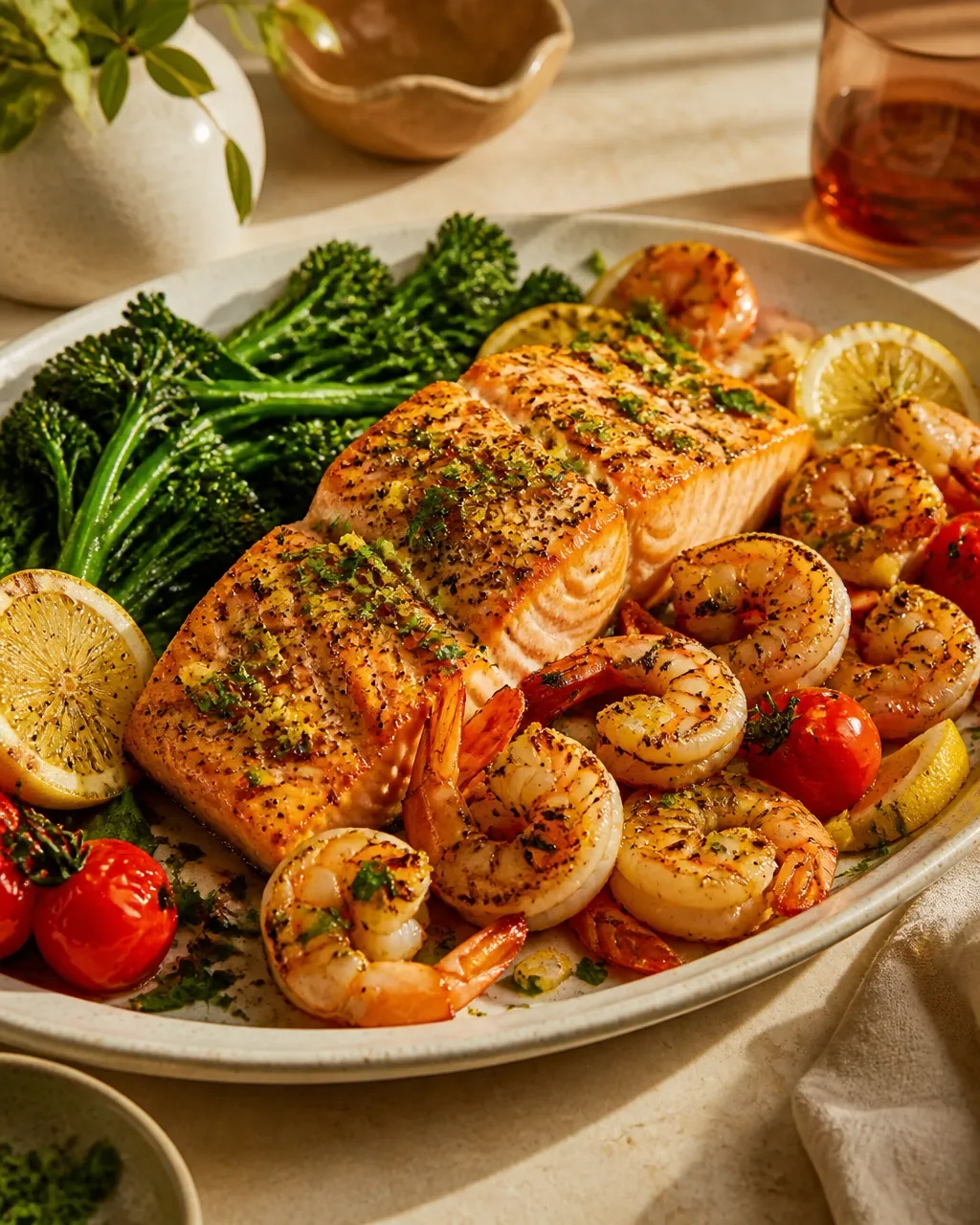
Next, let’s talk about the Maillard reaction. This is the chemical dance between amino acids and reducing sugars that gives seared food its flavor and golden-brown color. To get this party started, your pan needs to be hot. Not "kind of warm," but shimmering-hot. Use a heavy skillet: cast iron or stainless steel is best: to maintain that heat. When the fish hits the oil, you should hear a loud sizzle. That sound is the proteins instantly bonding and creating a protective barrier.
The hardest part of this whole process? Doing absolutely nothing. Once that fish is in the pan, leave it alone. Don't poke it, don't slide it, and don't peek. If you try to flip it too early, the delicate flesh will tear because it hasn't finished forming its crust. When it’s ready, the fish will naturally "release" from the pan. If it’s sticking, it’s telling you it needs another thirty seconds of peace and quiet. This patience is what transforms a simple piece of fish into one of those quick family meals that everyone actually looks forward to eating.
Finally, remember that cod is a lean fish. It doesn't have the fatty insurance policy that salmon does. It cooks quickly, so pull it off the heat the moment it looks opaque and flakes easily with a fork. The carryover heat will finish the job while you’re prepping the relish. If you’re looking for more ways to cook fish without the stress, check out our everything bagel salmon for another foolproof option.
Relish the Moment: Flavor Variations
The tomato basil relish is the crown jewel of this dish, providing the essential acidity to balance the mild, buttery cod. But don't feel like you’re locked into one flavor profile. The beauty of a relish is its flexibility.
If you want to lean into a Mediterranean vibe, throw in some chopped Kalamata olives and a spoonful of capers. The saltiness of the olives cuts through the richness of the olive oil beautifully. If you’re craving something with a bit of a kick, a pinch of red pepper flakes or some finely diced jalapeño can turn the heat up. For those who prefer a brighter, more citrus-forward finish, swap the balsamic vinegar for a heavy hand of lemon zest and juice.
You can also experiment with the texture. Some people prefer a "melted" relish where the tomatoes are cooked down until they burst into a jammy sauce. Others like a raw, chunky salsa-style relish that provides a cool contrast to the hot fish. Both are fantastic; it just depends on whether you want a warm embrace or a fresh snap. If you enjoy these types of fresh, fast toppings, you'll find similar inspiration in our quick meals collection.
Balancing the Plate: Perfect Pairings
A great piece of fish deserves a supporting cast that doesn't steal the spotlight. Since the tomato basil relish is quite acidic, you want side dishes that can soak up those juices or provide a grounding, earthy contrast.
A fluffy bed of quinoa or couscous is a classic choice. These grains act like a sponge for the tomato juices and olive oil. If you’re keeping things low-carb, a simple cauliflower mash or a pile of garlicky sautéed spinach works wonders. The bitterness of the spinach is a great foil for the sweetness of the cherry tomatoes.
For a bit of crunch, roasted asparagus or broccolini seasoned with just salt and lemon are excellent healthy dinner ideas. You want to avoid anything too heavy or creamy, like a thick potato gratin, which might overwhelm the delicate nature of the cod. Think light, bright, and seasonal. You can even find inspiration from our teriyaki beef stir-fry if you want to see how we balance proteins with vibrant vegetables in other cuisines.
The "What If" Guide: Fish FAQ
What if my fish is frozen?
Don't panic. You can still have a great dinner, but you must thaw it properly. The "quick-thaw" method involves placing the vacuum-sealed fish in a bowl of cold water for about 15–20 minutes. Never use hot water, as it starts cooking the outside while the inside stays frozen, leading to a mushy disaster. Once thawed, pat it dry even more aggressively than you would with fresh fish.
What if I don't have a cast-iron skillet?
A good non-stick pan is a perfectly acceptable backup, especially for delicate fish like cod. You won't get quite the same level of crusty "fond" (those delicious browned bits) to deglaze for your relish, but your fish will stay in one piece. Just make sure you don't use metal utensils on your non-stick surface, or you'll be eating Teflon for dinner.
Can I make this in an air fryer?
While you won't get the same pan-seared crust, you can definitely use an air fryer for a hands-off version. Search our air fryer recipes dinner section for timing, but generally, 10-12 minutes at 400°F does the trick for cod. You’d just make the relish separately in a small bowl and spoon it over at the end.
Why did my fish turn out rubbery?
You overcooked it. Plain and simple. Fish proteins are very sensitive to heat. Once they get too hot, they tighten up and squeeze out all the moisture. Aim for an internal temperature of 145°F, or just watch for when the thickest part of the fillet starts to flake when nudged with a fork.
Can I use a different fish?
Absolutely. Any firm white fish like halibut, sea bass, or even tilapia works with this technique. Just adjust the cooking time based on the thickness of the fillet. Thinner fillets like tilapia will cook in a flash, while a thick piece of halibut might need an extra minute or two.
For more kitchen confidence and nutritious inspiration, explore our healthy recipes to keep your weeknight rotation fresh and exciting!
{“@type”:”BlogPosting”,”image”:”https://cdn.marblism.com/ynISn4FclHt.webp”,”author”:{“name”:”Penny”,”@type”:”Person”},”@context”:”https://schema.org”,”headline”:”Healthy Weeknight Dinners: Pan-Seared Cod with Tomato Basil Relish”,”publisher”:{“logo”:{“url”:”https://cookpedia.com/logo.png”,”@type”:”ImageObject”},”name”:”Cookpedia”,”@type”:”Organization”},”description”:”Learn the science behind the perfect pan-seared cod with a fresh tomato basil relish. A quick, healthy, and delicious weeknight meal idea.”,”datePublished”:”2026-07-25″,”mainEntityOfPage”:{“@id”:”https://cookpedia.com/healthy-weeknight-dinners-pan-seared-cod”,”@type”:”WebPage”}}