Recipe
Servings
Servings 1×
Ingredients
- Salmon
- Cod
- Quinoa
- Rice
- Cauliflower
- Spinach
- Cucumber
- Lime
- Honey
- Cooking oil
- Sesame
Method
- Let’s be honest: by Tuesday night, the dream of a three-course artisanal feast has usually been replaced by the reality of "whatever is in the freezer." But you deserve better than a cardboard-flavored frozen pizza.
- Use a meat thermometer, seriously, buy one, and pull that fish when it hits 125°F for a perfect medium.
- Fold in a teaspoon of gochujang or sriracha into your glaze.
Let’s be honest: by Tuesday night, the dream of a three-course artisanal feast has usually been replaced by the reality of "whatever is in the freezer." But you deserve better than a cardboard-flavored frozen pizza. You deserve a meal that makes you feel like a functional adult without requiring a culinary degree or three hours of your life. This miso-glazed salmon with bok choy is one of those quick healthy meals that hits that sweet spot of high-impact flavor and minimal effort. It’s elegant enough for a date night but fast enough for a frantic weeknight.
The Science of the Sear: Why Miso is Your Secret Weapon
To master this dish, you need to understand the magic of the Maillard reaction. This is the chemical dance between amino acids and reducing sugars that gives browned food its distinctive, savory flavor. Miso paste is a fermented powerhouse loaded with both proteins and complex sugars, which means it undergoes this reaction much faster than your average marinade. When you subject that glaze to high heat, you aren't just cooking it; you’re creating a complex, caramelized crust that balances the rich, fatty nature of the salmon.
Temperature Control is Non-Negotiable
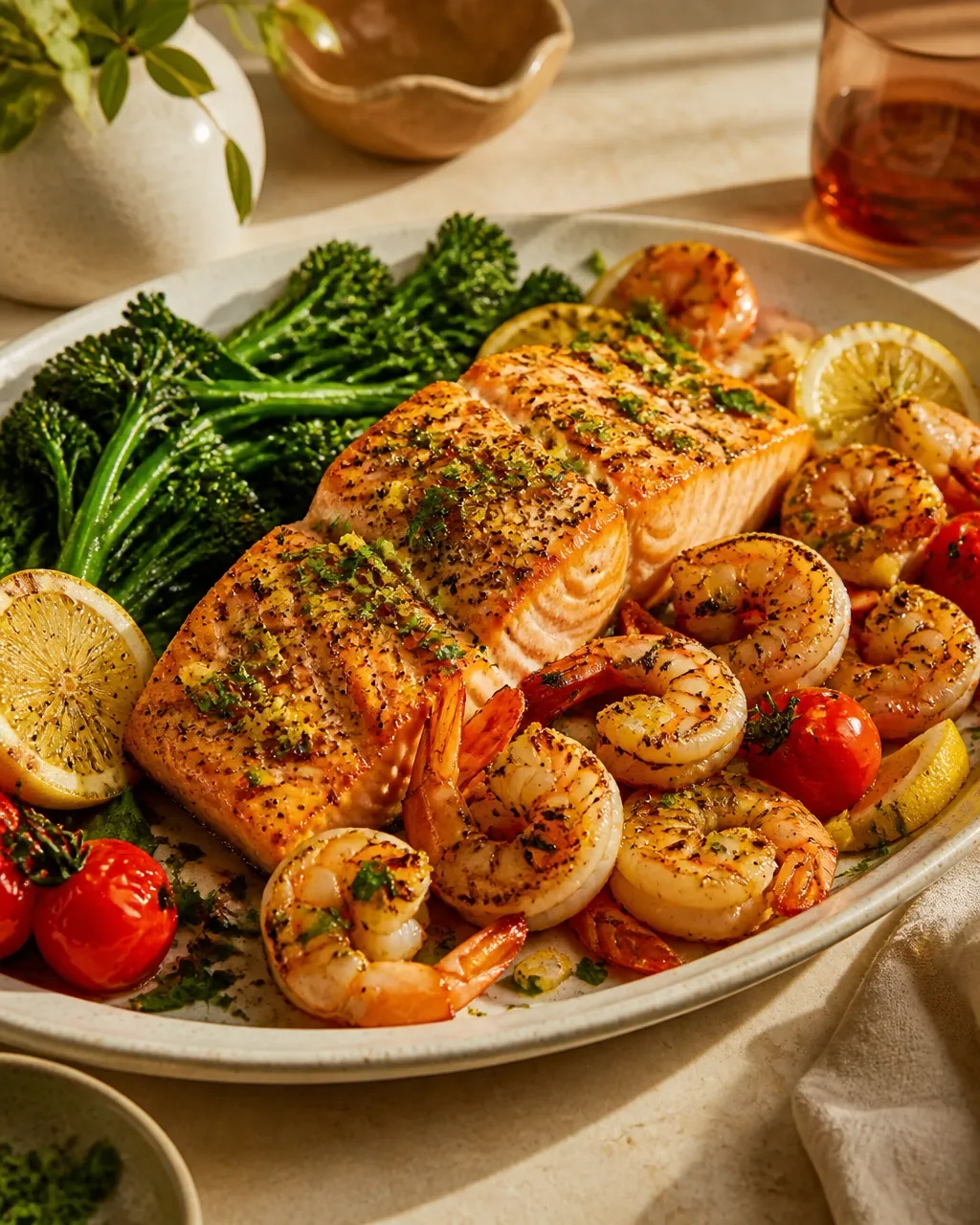
Don't you dare cook your salmon straight from the fridge. Take it out about 15–20 minutes before you plan to cook. If the center is ice-cold when it hits the heat, the outside will turn to sawdust before the middle even realizes it’s in an oven. Use a meat thermometer, seriously, buy one, and pull that fish when it hits 125°F for a perfect medium. Carry-over cooking will do the rest of the work while it rests. If you push it to 145°F in the pan, you’ve basically made salmon jerky. Avoid it.
The Anatomy of Bok Choy
Treating bok choy as a single vegetable is a rookie mistake. It is a dual-textured plant. The thick, white stems are essentially water-filled crunchy stalks, while the green leaves are as delicate as spinach. If you cook them for the same amount of time, you’ll end up with either raw stems or slimy, disintegrated leaves. Always give the stems a head start in the heat before tossing in the greens at the very last second. This ensures you keep that satisfying "snap" that makes healthy weeknight dinners feel fresh rather than mushy.
Broiler vs. Pan-Sear
If you want the ultimate "restaurant-style" finish, the broiler is your best friend. Because miso is high in sugar, it can burn quickly in a skillet. By using the broiler, you’re applying intense radiant heat from above, which caramelizes the glaze into a glossy lacquer without the fish sticking to a pan. Line your tray with foil, not parchment, which can catch fire under a broiler, and position the rack about 5–6 inches from the heat source. Watch it like a hawk. The difference between "perfectly charred" and "smoke alarm" is about thirty seconds.
Creative Variations for Every Palate
One of the reasons this ranks high among easy dinner recipes is its versatility. If you find the traditional miso-mirin-soy trio a bit too sweet, try a citrus-forward version. Swap half the mirin for fresh lime juice and a hit of orange zest. The acidity cuts through the saltiness of the miso and brightens the whole plate. It’s like a sunshine-infused version of the original.
For those who like a bit of a kick, a "spicy miso" variant is a game-changer. Fold in a teaspoon of gochujang or sriracha into your glaze. The fermented heat of the gochujang plays beautifully with the fermented depth of the miso. If you’re leaning into a low-carb or keto lifestyle, you can easily swap the honey or sugar in the glaze for a dash of monk fruit sweetener or simply let the natural sweetness of the mirin do the heavy lifting.
If you’re feeling adventurous, try swapping the salmon for a firm white fish like cod or even thick-cut cauliflower steaks. The miso glaze is a universal flavor enhancer; it doesn't discriminate. Just remember that different proteins have different "done" points. If you’re looking for more inspiration, check out our 15-minute meals section for other high-speed flavor bombs.
Perfect Side Dish Pairings
Balance is the name of the game here. Since the salmon is rich and the miso is salty-sweet, you want sides that provide either a neutral base or a sharp contrast.
- Aromatic Jasmine Rice: This is the classic choice for a reason. The floral notes of jasmine rice act as a soft pillow for the intense umami of the glaze. It soaks up any extra sauce and provides a satisfying texture.
- Smashed Cucumber Salad: If you want something refreshing, go for a quick cucumber salad dressed with rice vinegar and a drop of sesame oil. The cooling crunch and high acidity provide a necessary "reset" for your palate between bites of the rich fish.
- Quinoa or Farro: For a heartier, nuttier vibe, grains like quinoa or farro work beautifully. They add a boost of fiber and protein, making this one of those easy dinner recipes that actually keeps you full until breakfast.
Frequently Asked Questions
Can I use frozen salmon?
Yes, but you have to be smart about it. Thaw it completely in the refrigerator overnight. Never, ever try to glaze and cook a half-frozen fillet. The moisture trapped inside the ice crystals will steam the fish from the inside out, ruining that beautiful Maillard reaction we talked about and leaving you with a watery mess. Pat the fish bone-dry with paper towels before applying the glaze.
Should I leave the skin on?
Absolutely. Think of the skin as a thermal shield. Even if you don't plan on eating it, the skin protects the delicate flesh from the direct, aggressive heat of the pan or broiler. It keeps the moisture locked in. If you want it crispy, start it skin-side down in a hot pan for a few minutes before moving it to the broiler.
What’s the difference between white and red miso?
White miso (Shiro miso) is fermented for a shorter time and has a milder, sweeter flavor. It’s perfect for fish because it doesn't overwhelm the delicate taste of the salmon. Red miso is fermented longer and is much saltier and more pungent. If you only have red miso, use a little less and maybe add a touch more sweetener to balance the intensity.
Why is my glaze burning before the fish is cooked?
This usually happens if your rack is too high or your glaze is too thick with sugar. If the top is getting too dark too fast, move the tray to a lower rack or loosely tent a piece of foil over the fish. Also, ensure you’re not over-marinating. Anything over two hours and the salt in the miso starts to "cook" the proteins (like a ceviche), which can lead to a weird, mushy texture.
Is this recipe suitable for meal prep?
Salmon is best enjoyed fresh, but you can certainly prep the components. Mix the glaze and wash/cut the bok choy ahead of time. When you’re ready to eat, the actual cooking takes less than ten minutes. If you do have leftovers, flake the cold salmon over a salad the next day rather than microwaving it: your coworkers and your tastebuds will thank you. For more hands-off ideas, see our air fryer dinners which are perfect for busy schedules.
{“@type”:”BlogPosting”,”image”:[“https://cdn.marblism.com/fkuNH7dlVnr.webp”,”https://cdn.marblism.com/1pcKfZiLp1C.webp”,”https://cdn.marblism.com/UgPEeRi7xXU.webp”,”https://cdn.marblism.com/1AM_DHw-pod.webp”],”author”:{“name”:”Penny”,”@type”:”Person”},”@context”:”https://schema.org”,”headline”:”Healthy Weeknight Dinners: Miso-Glazed Salmon with Bok Choy”,”publisher”:{“logo”:{“url”:”https://cookpedia.com/logo.png”,”@type”:”ImageObject”},”name”:”Cookpedia”,”@type”:”Organization”},”mainEntity”:[{“name”:”Can I use frozen salmon?”,”@type”:”Question”,”acceptedAnswer”:{“text”:”Yes, provided you thaw it completely in the refrigerator and pat it bone-dry before cooking to ensure proper searing.”,”@type”:”Answer”}},{“name”:”Should I leave the skin on?”,”@type”:”Question”,”acceptedAnswer”:{“text”:”Yes, the skin acts as a heat shield, keeping the salmon moist and protecting the delicate flesh during high-heat cooking.”,”@type”:”Answer”}},{“name”:”White vs Red Miso?”,”@type”:”Question”,”acceptedAnswer”:{“text”:”White miso is milder and sweeter, making it ideal for fish. Red miso is saltier and more intense; use it sparingly if substituting.”,”@type”:”Answer”}}],”description”:”Discover how to make restaurant-quality miso-glazed salmon with bok choy. A fast, healthy, and science-backed weeknight dinner solution.”,”datePublished”:”2026-07-23″,”mainEntityOfPage”:{“@id”:”https://cookpedia.com/healthy-weeknight-dinners-miso-salmon”,”@type”:”WebPage”}}