Recipe
Servings
Servings 1×
Ingredients
- Cod
- Quinoa
- Greek yogurt
- Potatoes
- Sweet potatoes
- Broccoli
- Carrots
- Zucchini
- Tomatoes
- Onion
- Garlic
- Fresh ginger
- Lemon
- Feta
- Cooking oil
- Soy sauce or tamari
- Salt
Method
- Let’s be honest: by Tuesday, the grand culinary ambitions you had on Sunday have probably evaporated.
- Give the veggies a head start in a hot oven until they just begin to soften and brown.
- Whisk together a bit of white miso paste, grated ginger, and a splash of soy sauce.
- Brush this over the cod before baking.
- Remove the cod when it is just starting to flake and looks mostly opaque.
- Use a meat thermometer if you’re unsure; you’re looking for an internal temperature of about 135°F to 140°F.
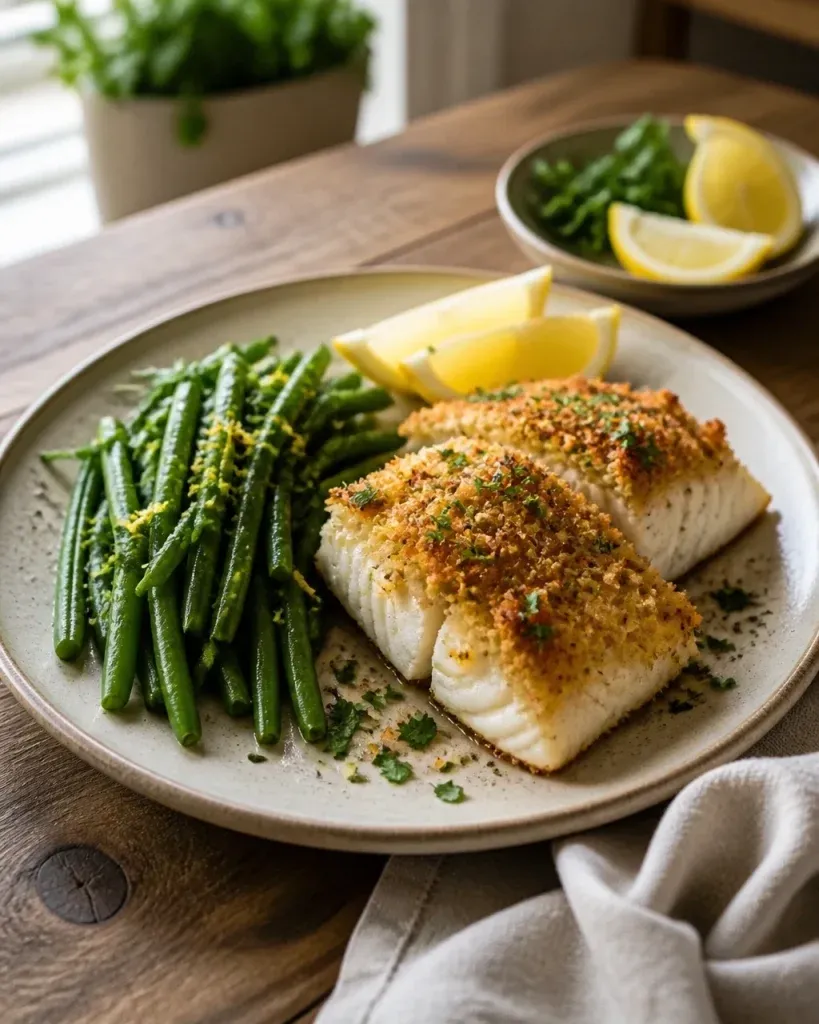
Let’s be honest: by Tuesday, the grand culinary ambitions you had on Sunday have probably evaporated. You’re tired, the fridge is staring back at you with judgment, and the temptation to order takeout is hovering at a dangerous 9/10. This is where baked cod enters the chat. It’s light, elegant, and: most importantly: it’s fast. When you're searching for healthy weeknight dinners, you want something that feels like a reward, not a chore. This lemon herb cod is exactly that: a low-effort, high-reward masterpiece.
The Science of the Perfect Flake: Mastering Heat and Moisture
Cooking fish can feel like a high-stakes game of "Will it be rubbery or raw?" but the secret lies in understanding how proteins behave under heat. Cod is a lean, flakey fish with a high water content. If you blast it with aggressive heat immediately, the muscle fibers contract too quickly, squeezing out moisture and leaving you with a dry, tough fillet. To keep it succulent, we focus on gentle heat and moisture management.
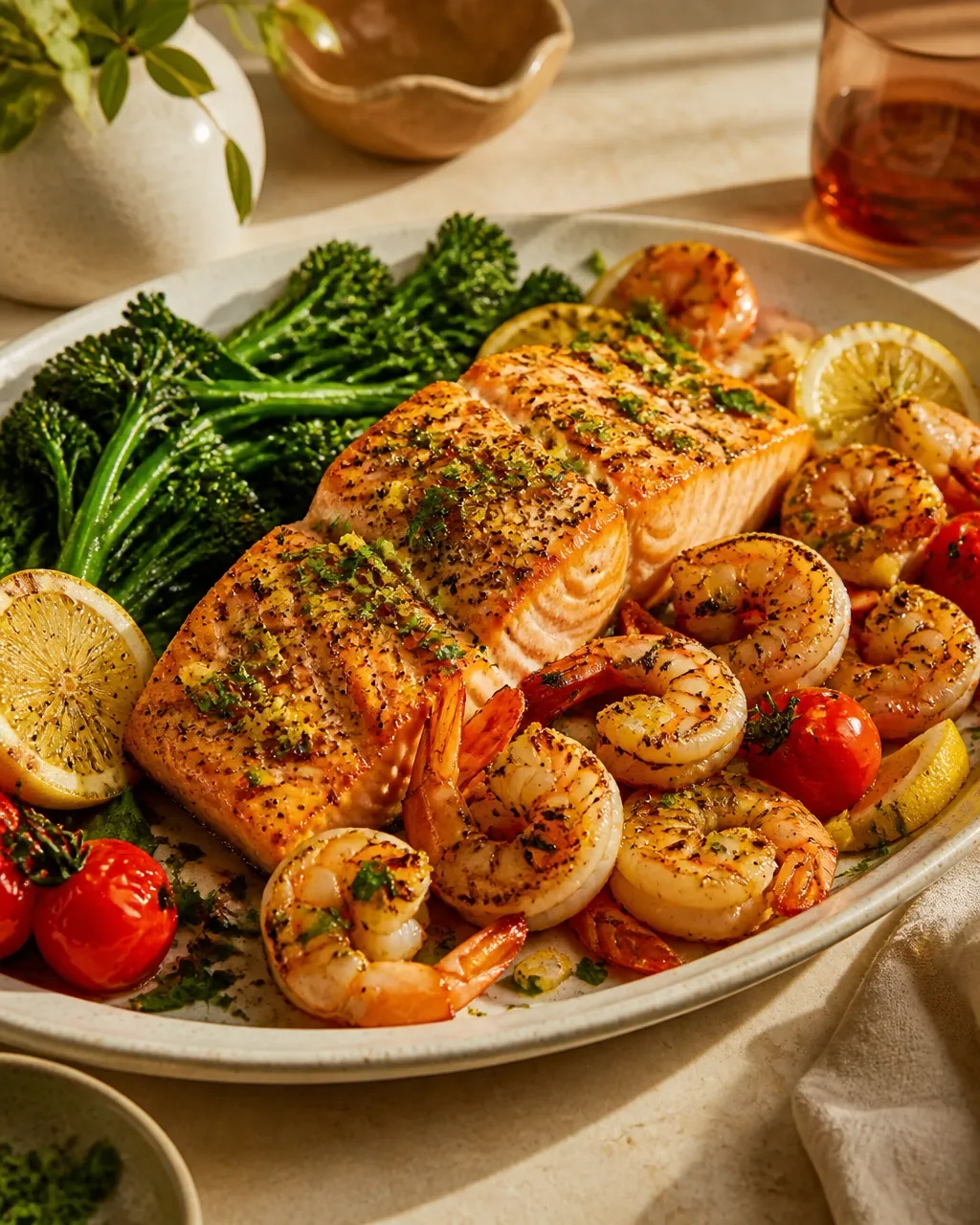
First, always pat your fish dry. This isn't just a suggestion; it’s a non-negotiable rule of easy dinner recipes. Surface moisture is the enemy of texture. If the fish is wet when it hits the pan or the oven, it will steam rather than roast. Steaming leads to a mushy exterior and prevents the development of those slightly golden, savory edges we crave. Once dry, applying a thin layer of fat: like extra virgin olive oil: creates a barrier that slows down evaporation, acting as a "moisture lock" for the delicate interior.
Then there’s the "white stuff": that unsightly protein called albumin that sometimes leaks out of the fish. It’s perfectly safe to eat, but it’s a sign that the fish is cooking too fast or is being overcooked. To minimize albumin, try dry brining. Sprinkle your cod with salt about 20 minutes before it goes into the oven. This helps the proteins "relax" and bind more effectively to water, ensuring the moisture stays inside the fish where it belongs.
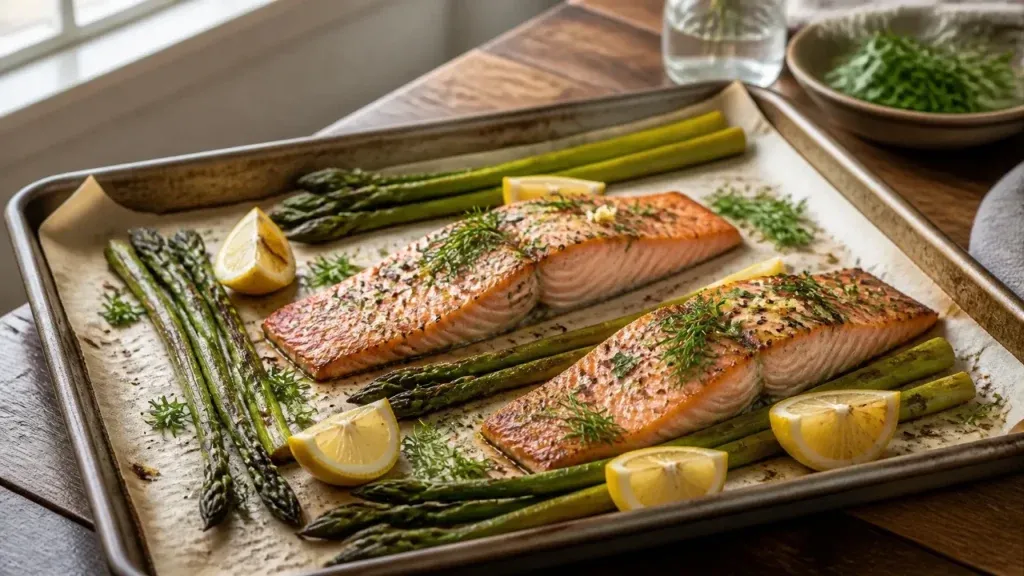
When it comes to the vegetables, we’re aiming for the Maillard reaction: that magical chemical transformation where heat turns sugars and proteins into complex, savory flavors and golden-brown colors. The challenge is that vegetables like bell peppers and zucchini need more time and higher heat than cod. My solution? Stagger your roasting. Give the veggies a head start in a hot oven until they just begin to soften and brown. Only then should you clear a space on the tray and nestle the cod in. By the time the fish is opaque and flakes easily with a fork, the vegetables will be perfectly caramelized, not soggy.
Flavor Variations: Beyond the Lemon Wedge
While lemon and herbs are a classic pairing for a reason, you don't have to stay inside the box. Think of cod as a blank canvas that readily absorbs whatever personality you give it.
If you’re craving something with a bit more punch, go the Mediterranean route. Instead of just herbs, top your fish with a rough chop of kalamata olives, sundried tomatoes, and a sprinkle of feta. The saltiness of the olives and the acidity of the tomatoes cut through the mildness of the cod, creating a dish that feels like a vacation on a plate.
For those who love quick healthy meals with an Eastern flair, try a miso-ginger glaze. Whisk together a bit of white miso paste, grated ginger, and a splash of soy sauce. Brush this over the cod before baking. The miso provides a deep umami base that pairs beautifully with the natural sweetness of roasted carrots or bok choy.
If you’re feeling bold, a smoky Cajun rub works wonders. The earthy heat of paprika, cayenne, and garlic powder creates a "blackened" effect that stands up well to the roasting process. Pair this with roasted sweet potatoes and peppers for a hearty, vibrant meal that packs a serious flavor punch without adding heavy calories.
Balancing the Plate: Essential Side Dish Pairings
Even though this is a one-pan wonder, a little extra texture on the side can elevate the entire experience. Since we have the acidity from the lemon and the savory notes from the roasted vegetables, you want a side dish that provides a neutral, grounding base.
A fluffy grain like quinoa or farro is an excellent choice. These grains have a subtle nuttiness that complements the mild cod. Because they are porous, they’ll soak up any leftover lemon-herb juices on your plate, ensuring no flavor goes to waste. If you’re keeping things low-carb, a simple arugula salad with a light vinaigrette is the way to go. The peppery bite of the arugula provides a sharp contrast to the tender fish, while the fresh greens add a crisp texture that balances the softness of the roasted vegetables.
If you want to lean into the comfort factor, a small serving of herbed couscous takes only five minutes to prepare and adds a Mediterranean elegance to the meal. Whatever you choose, aim for balance: if your vegetables are very sweet (like roasted carrots), go for a more acidic side. If they are bitter (like charred broccoli), a slightly sweeter grain or a creamy element like a dollop of Greek yogurt can tie everything together.
Common Questions & Troubleshooting
Why is my cod rubbery and tough?
The most common culprit is overcooking. Fish continues to cook for a few minutes after you take it out of the oven due to carryover heat. Remove the cod when it is just starting to flake and looks mostly opaque. If it’s already completely opaque and firm when you pull it out, it’s likely overdone. Use a meat thermometer if you’re unsure; you’re looking for an internal temperature of about 135°F to 140°F.
Can I use frozen cod fillets?
Absolutely, but with a caveat: they must be completely thawed. If there is ice in the center of the fillet, the outside will overcook before the inside is even warm. Furthermore, frozen fish tends to release more water. Make sure you are extra diligent about patting them dry after thawing to prevent a "steamed" texture. Check out our 30-minute meals section for more ideas on using frozen staples effectively.
My vegetables are soggy, not roasted. What happened?
Crowding is the enemy of caramelization. If your vegetables are piled on top of each other, the moisture they release has nowhere to go but up, which steams the veggies instead of roasting them. Use a large baking sheet and ensure every piece of vegetable has its own "personal space." Also, make sure your oven is fully preheated before the tray goes in.
How do I prevent the fish from sticking to the tray?
While oiling the tray helps, the most effective method is to create a "vegetable bed." Place your cod directly on top of a layer of lemon slices or sturdier vegetables like sliced onions. This prevents the delicate skin or flesh from making direct contact with the metal, making it much easier to lift off once cooked. Plus, it infuses the fish with even more flavor from the bottom up.
Cooking a healthy meal doesn't have to be a marathon. With a little bit of science and a single sheet pan, you can turn a humble piece of cod into a dinner that looks and tastes like it came from a high-end bistro. For more inspiration on streamlining your kitchen time, explore our one-pot meals and see how simple soulful cooking can truly be.
{“@type”:”BlogPosting”,”image”:”https://cdn.marblism.com/a-RbxMfxOmM.webp”,”author”:{“name”:”Penny”,”@type”:”Person”},”faqPage”:{“@type”:”FAQPage”,”@context”:”https://schema.org”,”mainEntity”:[{“name”:”Why is my cod rubbery and tough?”,”@type”:”Question”,”acceptedAnswer”:{“text”:”The most common culprit is overcooking. Remove the cod when it is just starting to flake and looks mostly opaque (internal temp 135°F to 140°F) to account for carryover heat.”,”@type”:”Answer”}},{“name”:”Can I use frozen cod fillets?”,”@type”:”Question”,”acceptedAnswer”:{“text”:”Yes, but they must be completely thawed and patted very dry to prevent excess moisture from steaming the fish instead of roasting it.”,”@type”:”Answer”}},{“name”:”My vegetables are soggy, not roasted. What happened?”,”@type”:”Question”,”acceptedAnswer”:{“text”:”Overcrowding the baking sheet traps steam. Ensure vegetables are in a single layer with space between them and that the oven is fully preheated.”,”@type”:”Answer”}},{“name”:”How do I prevent the fish from sticking to the tray?”,”@type”:”Question”,”acceptedAnswer”:{“text”:”Create a ‘vegetable bed’ by placing the cod on top of lemon slices or sliced onions to prevent it from touching the metal tray directly.”,”@type”:”Answer”}}]},”@context”:”https://schema.org”,”headline”:”Healthy Weeknight Dinners: Baked Lemon Herb Cod with Roasted Vegetables”,”publisher”:{“logo”:{“url”:”https://cookpedia.com/logo.png”,”@type”:”ImageObject”},”name”:”Cookpedia”,”@type”:”Organization”},”description”:”Learn the science behind making the perfect baked lemon herb cod with roasted vegetables. Tips for moisture retention, avoiding albumin, and achieving the perfect Maillard reaction on your veggies.”,”datePublished”:”2026-07-23″,”mainEntityOfPage”:{“@id”:”https://cookpedia.com/baked-lemon-herb-cod”,”@type”:”WebPage”}}