Recipe
Servings
Servings 1×
Ingredients
- Chicken
- Salmon
- Potatoes
- Cauliflower
- Asparagus
- Greens
- Avocado
- Garlic
- Lemon
- Cream
- Butter
- Cooking oil
- Black pepper
Method
- Let’s master the science of the sear.
- Use a paper towel and blot your salmon fillets until they are bone-dry.
- Let it sit on the counter for ten minutes to take the chill off.
- Roast them at a high heat to achieve those crispy, charred tips.
- Use a thin, flexible metal spatula to gently coax it up, and make sure to use more oil next time.
- Use the "flake test" or, better yet, a digital thermometer.
Starting a keto journey doesn't mean you have to sentence yourself to a lifetime of bland boiled chicken and limp lettuce. In fact, some of the most decadent, soul-satisfying meals in my kitchen are naturally low-carb. Take this garlic butter salmon and roasted asparagus, for example. It is the gold standard for quick family meals that feel like a restaurant splurge without the heavy price tag or the carb-heavy sides. If you are looking for healthy dinner ideas that actually leave you feeling full and fueled, you’ve arrived at the right place. Let’s master the science of the sear.
The Science of the Sear: Why Moisture is Your Enemy
If you’ve ever ended up with "sad salmon": that gray, mushy protein that sticks to your pan like industrial adhesive: you likely skipped the most crucial step: drying. Professional results in home cooking come down to a chemical phenomenon called the Maillard reaction. This is the reaction between amino acids and reducing sugars that gives browned food its distinctive flavor and texture. For the Maillard reaction to work its magic, the surface of your food must reach high temperatures quickly.
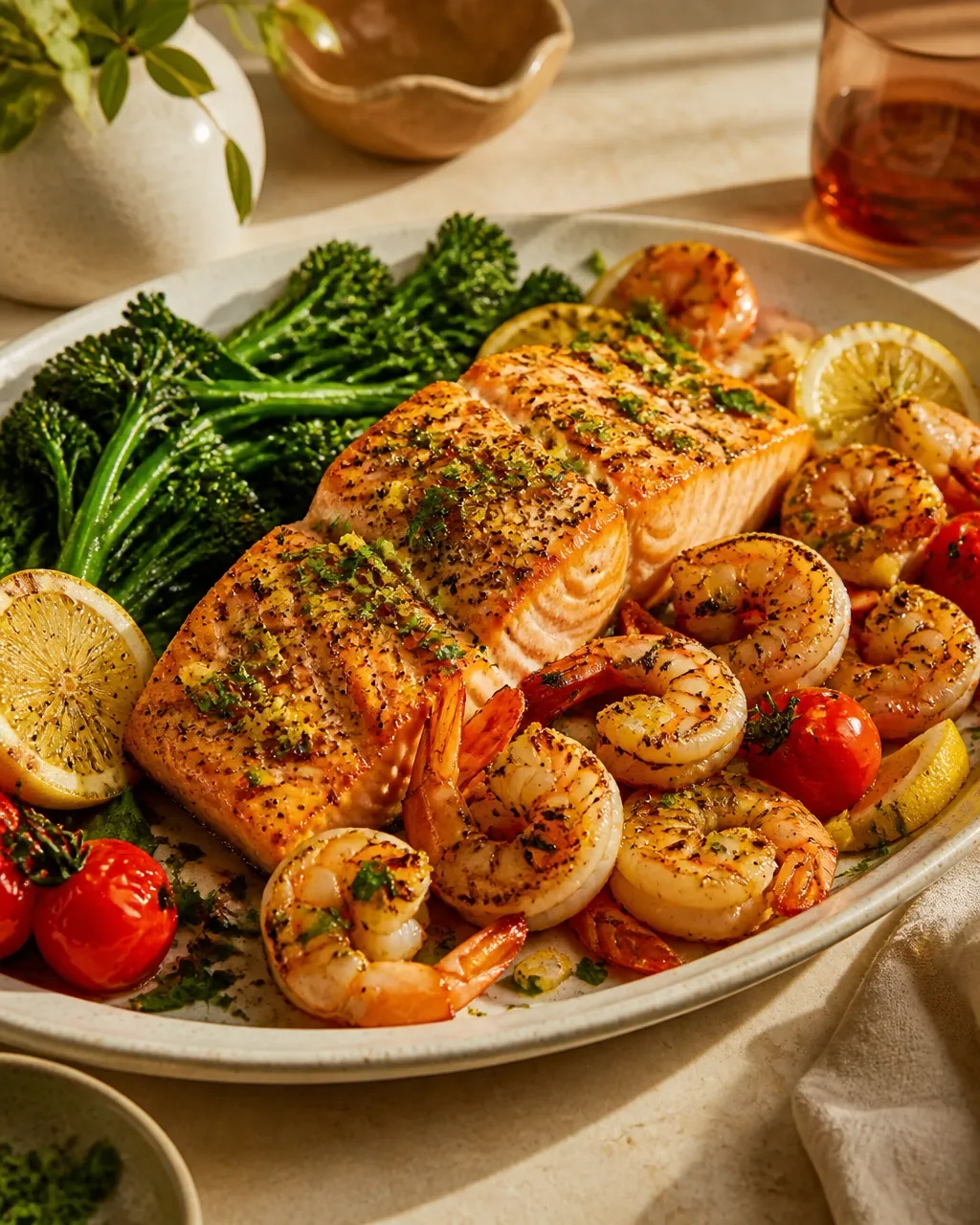
Use a paper towel and blot your salmon fillets until they are bone-dry. If there is even a hint of water on that skin, the heat of your pan will go toward evaporating that moisture instead of browning the fish. You aren't searing; you're steaming. Avoid the temptation to pull the salmon straight from the fridge and toss it in. Let it sit on the counter for ten minutes to take the chill off. This ensures the center of the fillet reaches the perfect temperature at the same time the skin reaches peak crunch.
Check your pan temperature before the fish makes contact. You want a heavy-bottomed skillet: cast iron is my personal favorite: heated until the fat is shimmering but not smoking. When you place the fish in, skin-side down, press it gently with a spatula for the first ten seconds. This prevents the skin from curling and ensures every square millimeter of that salmon makes contact with the heat. Resist the urge to move it. If you try to flip it and it resists, it isn’t ready. The fish will naturally "release" from the pan once that crust has fully formed.
When it comes to the asparagus, the logic is similar. Roast them at a high heat to achieve those crispy, charred tips. High heat transforms the natural sugars in the vegetable, deepening the flavor from "green" to "earthy and complex." By the time the garlic butter is bubbling, the asparagus should be tender but still retain a snappy "bite." Overcooked asparagus is a culinary crime; keep it vibrant and structurally sound.
Flavor Variations and High-Fat Swaps
While garlic and butter are the dynamic duo of the keto world, you don't have to stop there. If you want to lean into more healthy dinner ideas, consider swapping the butter for ghee or even a high-quality avocado oil. Ghee has a higher smoke point, which allows you to get an even more aggressive sear on the salmon without the risk of burning the milk solids found in standard butter.
Try an herb-heavy version by tossing fresh dill and tarragon into the pan during the final thirty seconds of cooking. The residual heat will release the essential oils in the herbs without turning them bitter. For those who prefer a bit of heat, a pinch of red pepper flakes in the garlic butter provides a sharp counterpoint to the richness of the salmon.
If you are short on stovetop space, this dish adapts beautifully to other methods. Many modern home cooks are moving toward air fryer recipes dinner enthusiasts swear by, and for good reason. You can achieve a remarkably crispy skin in an air fryer by setting it to 400°F (200°C) and letting the circulating air handle the "drying" process for you. Just remember to coat the skin lightly in oil first to facilitate that heat transfer. You can find more inspiration in our Air Fryer Dinners section.
Balancing the Plate: Pairings for the Perfect Keto Meal
When you're eating high-fat, high-protein meals, balance is everything. The richness of the salmon and the heavy coat of garlic butter need something to cut through the fat. This is why acidity is your best friend. Always finish this dish with a generous squeeze of fresh lemon juice. The citric acid acts as a "palate cleanser," making each bite of fatty salmon feel as light and fresh as the first.
For a complete spread that fits the criteria for quick family meals, serve this alongside a sharp, peppery arugula salad. The bitterness of the greens balances the sweetness of the roasted asparagus. If you want a more substantial side without adding carbs, a simple cauliflower mash with plenty of black pepper and a touch of cream cheese mimics the comfort of mashed potatoes while keeping your macros in check. You can explore more minimalist side options in our Vegetarian Dinner Recipes library.
Common Questions and Kitchen Troubleshooting
What if my salmon skin sticks to the pan?
This usually happens for one of two reasons: either your pan wasn't hot enough when the fish went in, or you tried to move it too soon. Science dictates that as the proteins in the skin cook and dehydrate, they contract and pull away from the metal. If it's sticking, give it another 30 to 60 seconds. If it’s truly stuck, your pan might not have had enough fat. Use a thin, flexible metal spatula to gently coax it up, and make sure to use more oil next time.
Can I use frozen salmon for this?
Yes, but with a major caveat. Frozen fish often contains more internal moisture. You must thaw it completely in the refrigerator: never the microwave: and be doubly diligent about patting it dry. If the fish feels "waterlogged," it will never get that crispy skin you're after.
Why did my garlic turn blue or green in the pan?
Don't panic; it isn't toxic. This is a common reaction between the sulfur compounds in garlic and any acidity (like lemon juice) or certain minerals in the pan. To avoid this, add your garlic at the very end of the cooking process. Garlic only needs about 30 to 60 seconds of heat to become fragrant. Any longer and it risks burning, which will turn your beautiful butter sauce bitter and acrid.
How do I know when the salmon is done?
Use the "flake test" or, better yet, a digital thermometer. For a moist, tender center, pull the salmon off the heat when it hits 125°F (52°C). Carryover cooking will bring it up to the ideal 130°F–135°F while it rests on your plate. Avoid the urge to cook it until it's opaque all the way through while still in the pan; by the time it looks "done" on the stove, it's already overcooked and dry.
Is this recipe suitable for meal prep?
While you can certainly reheat salmon, it will never be quite as good as it is fresh out of the pan. If you must meal prep it, undercook the fish slightly and reheat it gently in a low-temperature oven rather than the microwave to prevent that "fishy" aroma and rubbery texture.
For more reliable kitchen wins, check out our 30-Minute Meals for those nights when you need food on the table fast without sacrificing quality.
{“@type”:”BlogPosting”,”image”:[“https://cdn.marblism.com/gPknkesQXjy.webp”,”https://cdn.marblism.com/N2cEcksgUmP.webp”,”https://cdn.marblism.com/K6qTrf-OruM.webp”,”https://cdn.marblism.com/PKrGigHRrG3.webp”,”https://cdn.marblism.com/F4SLmqp40mv.webp”],”author”:{“name”:”Cookpedia Chef”,”@type”:”Person”},”@context”:”https://schema.org”,”headline”:”Keto Recipes for Beginners: Garlic Butter Salmon with Roasted Asparagus”,”publisher”:{“logo”:{“url”:”https://cookpedia.com/logo.png”,”@type”:”ImageObject”},”name”:”Cookpedia”,”@type”:”Organization”},”description”:”Learn the science behind perfectly seared keto garlic butter salmon and roasted asparagus. A quick, healthy dinner idea perfect for beginners.”,”datePublished”:”2026-07-22″,”mainEntityOfPage”:{“@id”:”https://cookpedia.com/keto-garlic-butter-salmon-asparagus”,”@type”:”WebPage”}}