Recipe
Servings
Servings 1×
Ingredients
- Chicken
- Shrimp
- Steak
- Tofu
- Quinoa
- Potatoes
- Cauliflower
- Asparagus
- Garlic
- Lemon
- Cooking oil
- Chili seasoning
- Salt
Method
- Prepare the ingredients described in the article and heat the cooking surface or oven as directed.
- Cook the main ingredients using the heat and timing guidance in the article.
- Finish with the seasonings and garnishes named in the article, then serve.
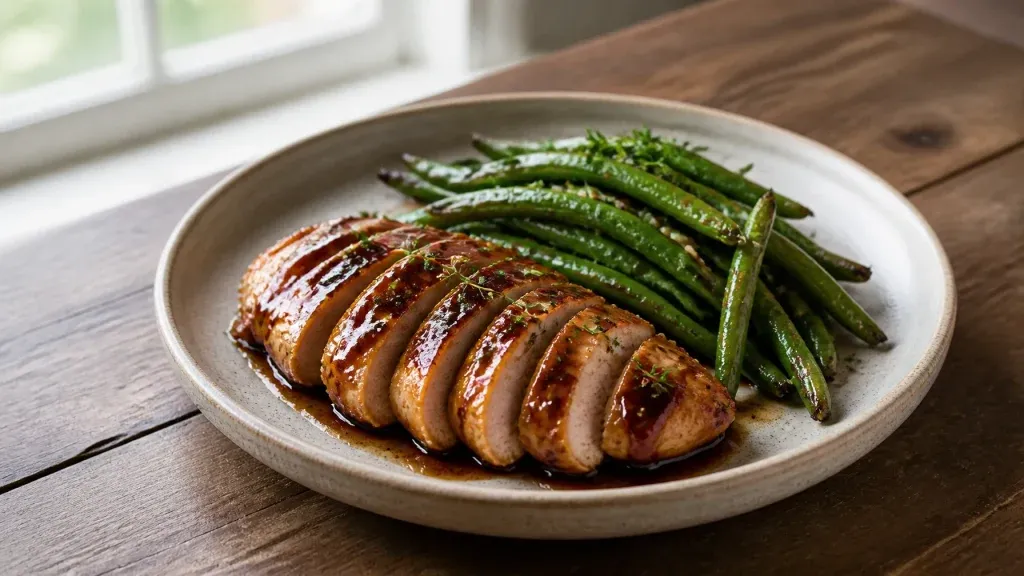
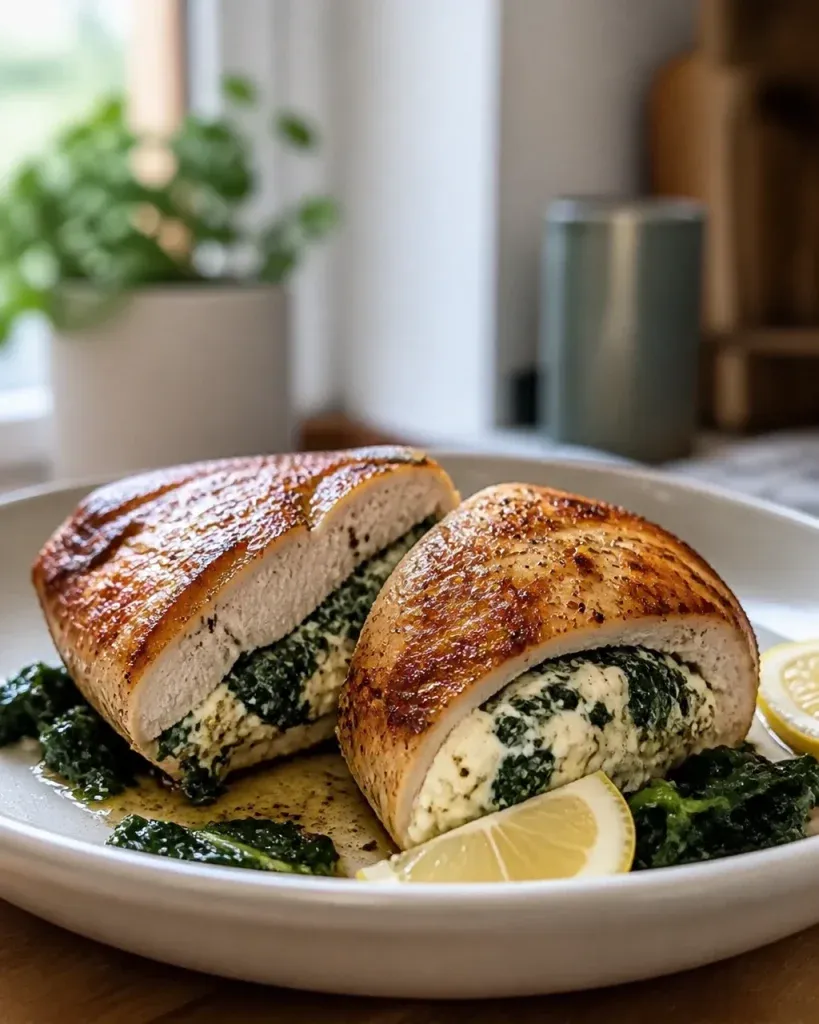
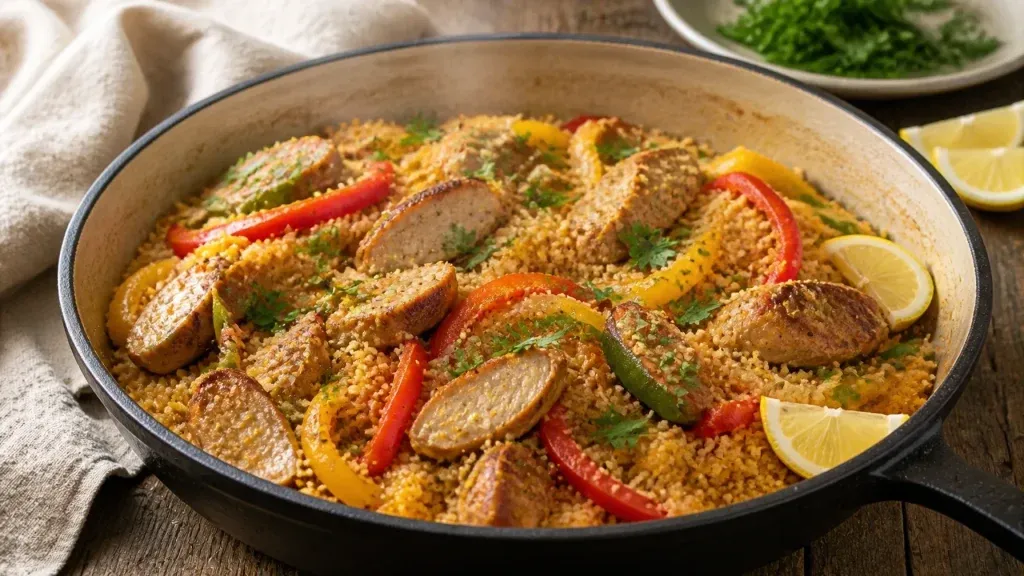
Let’s be honest: by Tuesday night, your brain is likely fried, and the temptation to order takeout is reaching a fever pitch. But you don't need a professional chef or three hours of prep to put something spectacular on the table. This Chimichurri Grilled Chicken with Roasted Potatoes is one of those healthy weeknight dinners that actually feels like a weekend indulgence. It’s vibrant, garlicky, and incredibly satisfying without leaving you in a carb coma. If you’re looking for a way to upgrade your routine, this is the dish that proves healthy doesn't mean boring.
The Science of Flavor and Texture
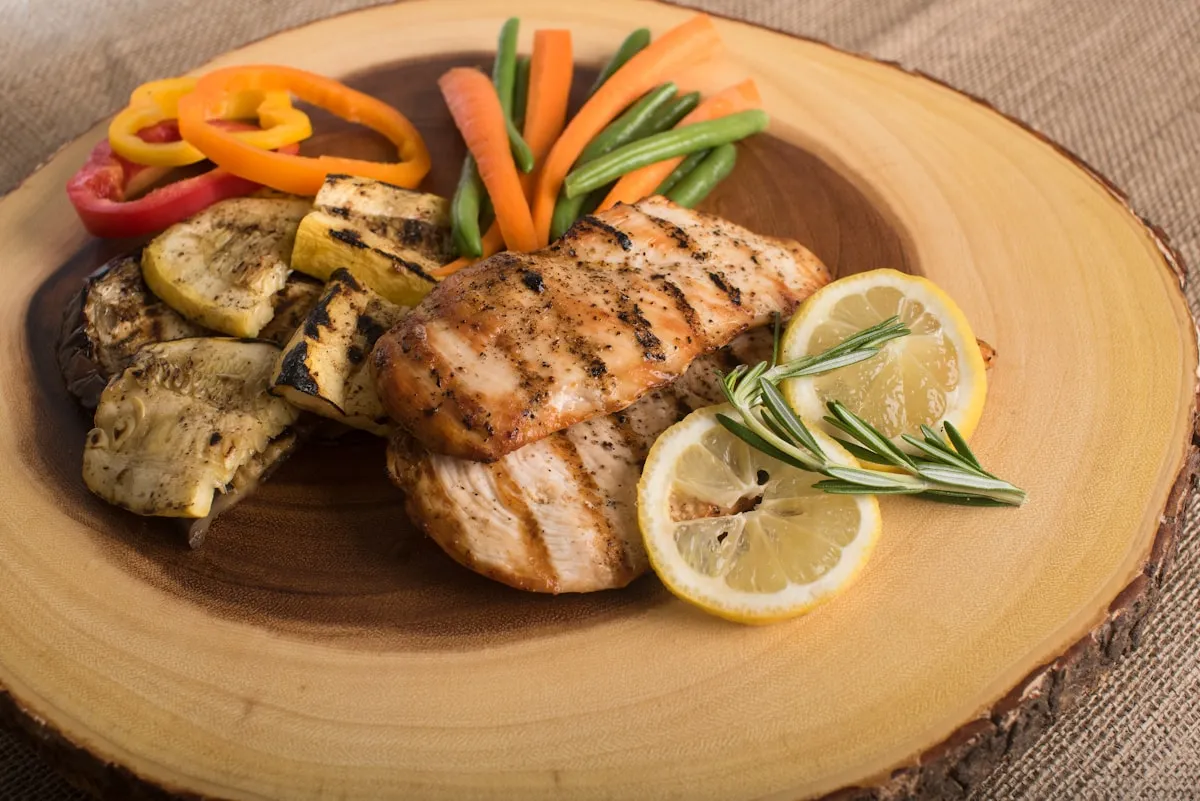
Creating the perfect grilled chicken isn’t just about heat; it’s about understanding how your ingredients interact. Chimichurri is more than just a sauce, it’s a chemical powerhouse. The combination of red wine vinegar and olive oil serves a dual purpose. The acid in the vinegar lightly breaks down the tough protein fibers on the surface of the chicken, while the oil acts as a carrier for the fat-soluble compounds in the garlic and herbs. This ensures that every bite is infused with a punchy, aromatic depth.
When you’re preparing your chicken, stop guessing when it’s done. Use a meat thermometer. This is a non-negotiable in my kitchen. You want to pull those breasts off the heat when they hit 160°F (71°C). They will continue to climb to the safe 165°F (74°C) as they rest. Resting is the most underrated step in cooking; it allows the muscle fibers to relax and reabsorb the juices. If you cut into that chicken immediately, those precious juices will end up on your cutting board instead of in your mouth.
For the potatoes, we’re aiming for the Maillard reaction, that magical chemical process where amino acids and reducing sugars react under heat to create that golden-brown, savory crust. To achieve this, do not crowd your pan. If the potatoes are too close together, they will release steam and end up mushy. You want them to roast, not sauna. Ensure they are bone-dry before they hit the oil and salt. This dehydration of the potato’s exterior is what leads to that satisfying crunch we all crave in quick family meals.
Flip, Sear, and Savor
Avoid the urge to constantly flip your chicken. To get those beautiful, restaurant-quality grill marks, place the chicken down and leave it alone for at least five to six minutes. This allows the sear to develop fully. If the meat resists when you try to lift it, it’s not ready to flip. The grill will tell you when it’s time. Check the thickness of your meat as well; if one end is significantly thicker than the other, give it a light pound with a rolling pin before marinating to ensure even cooking.
If you’re short on time, remember that you can easily adapt these techniques for other healthy dinner ideas. For instance, if you're a fan of high-heat, low-oil methods, you might explore how these textures compare to air fryer recipes dinner options. The goal is always the same: maximum flavor with minimal fuss.
Punchy Variations to Try
While chicken is the classic vehicle for chimichurri, don't feel boxed in. This herb-loaded sauce is remarkably versatile. Try swapping the chicken for a lean flank steak or even large shrimp. If you’re going the steak route, increase the red wine vinegar in your chimichurri to help cut through the richer fat content of the beef. For a plant-based twist, thick slabs of grilled cauliflower or firm tofu take to this marinade surprisingly well.
You can also play with the herb profile. Traditional Argentinian chimichurri relies heavily on flat-leaf parsley, but adding a handful of fresh cilantro or even a pinch of mint can completely transform the vibe. If you like heat, don't just settle for dried flakes, finely mince a fresh Fresno chili into the sauce. It provides a bright, fruity heat that dried spices just can't match.
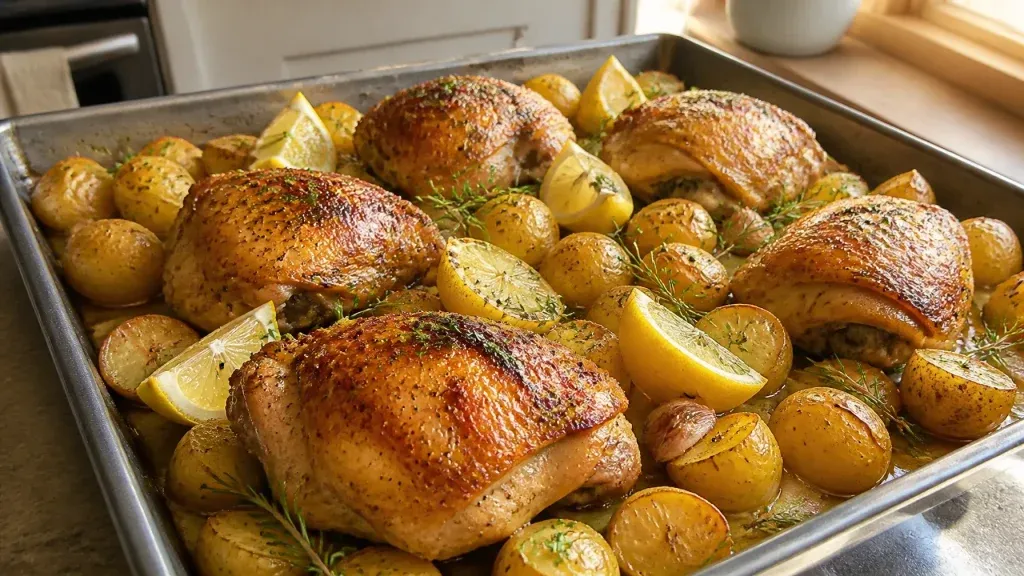
If you prefer the "set it and forget it" lifestyle, you can treat this meal similarly to one pot meals by using a large sheet pan. Toss the potatoes and chicken together (give the potatoes a head start of about 15 minutes) and roast them until everything is golden. It saves on the cleanup, making it one of the most efficient ways to handle quick family meals during a hectic week.
Perfect Side Dish Pairings
Balance is the key to a great plate. Since the chicken and potatoes are quite savory and earthy, you need something to lift the palate. A crisp, acidic green salad is my go-to. Think arugula with a simple lemon vinaigrette, the bitterness of the greens and the sharpness of the lemon provide a necessary contrast to the garlicky chimichurri.
Alternatively, lean into the roasting theme. You can throw some asparagus or sliced bell peppers onto the grill right alongside the chicken. They cook in minutes and soak up any stray chimichurri that wanders over from the meat. If you're looking for something heartier, a side of Mediterranean quinoa can turn this into a high-protein power bowl that's perfect for leftovers the next day.
Common Questions & Kitchen Troubleshooting
Why did my chimichurri turn brown?
Oxidation is the enemy of fresh herbs. Once you chop parsley, the cell walls break and react with the air. To prevent this, make sure your herbs are completely dry before chopping and use a very sharp knife to avoid bruising. Adding the vinegar and oil immediately after chopping also helps create a protective barrier. If you're making it in advance, store it in a jar with a thin layer of oil on top to seal out the oxygen.
Can I use dried herbs instead of fresh?
In a word: No. Chimichurri is a "fresh" sauce. Dried parsley tastes like nothing, and dried garlic lacks the pungent sulfur compounds that give this sauce its character. If you don't have fresh herbs, it’s better to pivot to a different recipe, like a teriyaki stir-fry, rather than trying to force a dried-herb chimichurri.
My potatoes aren't getting crispy. What happened?
You likely did one of three things: crowded the pan, didn't use enough heat, or used the wrong potato. Starchy potatoes like Russets or semi-starchy Yukons are best for roasting. If you used waxy red potatoes, they hold their shape well but won't give you that glass-like crunch. Also, ensure your oven is truly preheated. A "one pot" approach is great, but don't sacrifice the temperature. If the oven isn't at least 425°F, you're just baking them, not roasting them.
Can I make the chimichurri in a blender?
You can, but I wouldn't recommend it if you want the traditional texture. A blender or food processor often emulsifies the oil and vinegar into a creamy, pale green paste. While it tastes okay, you lose the beautiful contrast of the individual flecks of herbs and chili. For the best result, use a sharp knife and a bit of elbow grease. It only takes five minutes and the texture is infinitely better.
How do I stop the chicken from sticking to the grill?
Clean your grates! Any leftover bits from your last cookout will act like glue. Once the grill is hot, scrub it with a wire brush, then lightly oil the grates using a folded paper towel dipped in oil (use tongs!). Also, don't be impatient. As I mentioned earlier, the chicken will naturally release from the grates once the Maillard reaction has formed a proper crust.
{“@type”:”FAQPage”,”@context”:”https://schema.org”,”mainEntity”:[{“name”:”Why did my chimichurri turn brown?”,”@type”:”Question”,”acceptedAnswer”:{“text”:”Oxidation causes the herbs to brown. To prevent this, use a sharp knife to avoid bruising, ensure herbs are dry before chopping, and cover the surface with a thin layer of olive oil when storing.”,”@type”:”Answer”}},{“name”:”Can I use dried herbs for chimichurri?”,”@type”:”Question”,”acceptedAnswer”:{“text”:”No, chimichurri relies on the vibrant flavor and moisture of fresh parsley and garlic. Dried herbs will result in a gritty, flavorless sauce.”,”@type”:”Answer”}},{“name”:”How do I get my roasted potatoes extra crispy?”,”@type”:”Question”,”acceptedAnswer”:{“text”:”Use starchy potatoes like Russets, ensure they are dry before oiling, roast at high heat (425°F+), and do not crowd the pan to allow for proper air circulation.”,”@type”:”Answer”}},{“name”:”What is the safe internal temperature for grilled chicken?”,”@type”:”Question”,”acceptedAnswer”:{“text”:”Chicken should reach an internal temperature of 165°F (74°C). It is best to remove it from the grill at 160°F and let it rest so the carryover heat brings it to the safe temperature without drying it out.”,”@type”:”Answer”}}]}