Recipe
Servings
4 1×
Serves 4Prep 15 minCook 20 minTotal 35 min
Ingredients
- 4 salmon fillets, about 5–6 ounces each
- 1 large head of broccoli, cut into florets
- 1 cup dry quinoa, thoroughly rinsed
- 2 cups water or low-sodium broth
- Olive oil
- Fresh dill and parsley
- Garlic
- 1 lemon
- Salt and black pepper
Method
- Preheat the oven to 425°F. Start the quinoa on the stovetop, then cover it and let it rest after cooking.
- Spread the broccoli in a single layer on a baking sheet. Roast until the edges are browned and the stems are tender.
- Place the salmon skin-side down on a lined baking sheet. Add the herbs, garlic, lemon, olive oil, salt, and pepper.
- Bake the salmon until it flakes easily and reaches 145°F in the thickest part for the standard fully cooked texture.
- Fluff the quinoa, finish the broccoli with lemon, and serve everything together.
Some dinners ask you to choose between healthy and comforting. This one refuses to cooperate. Baked herb salmon brings richness, roasted broccoli adds crisp, nutty edges, and quinoa makes the plate filling without feeling heavy. Best of all, the components finish within the same short window, making this a dependable answer when you need healthy weeknight dinners without turning the kitchen into a part-time job.
Tips & Technique: The Science Behind a Better Dinner
Start the quinoa first
Quinoa needs a head start because it cooks more slowly than salmon. Rinse it thoroughly before simmering. The outer coating contains saponins, naturally occurring compounds that can taste bitter or soapy. A quick rinse removes most of them and gives you cleaner, nuttier grains.
Use a gentle simmer rather than an aggressive boil. Strong bubbling can split the grains and create a wet, sticky texture. Once the liquid has absorbed, turn off the heat and keep the pot covered. That resting time matters: trapped steam finishes hydrating the center while the surface stays pleasantly fluffy. Think of it as a tiny sauna for grains.
Give broccoli room to brown
Do not crowd the broccoli. This is non-negotiable.
When florets sit shoulder to shoulder, their moisture gets trapped. Instead of roasting, they steam. Steaming is useful when you want soft, bright-green broccoli, but it will not give you those deeply browned edges and sweeter, nuttier flavors.
Spread the florets in one layer with their cut sides touching the pan where possible. High heat drives off surface moisture, allowing browning reactions to take over. Those reactions create hundreds of flavorful compounds, which is why roasted broccoli tastes more complex than boiled broccoli even though both began life as the same vegetable.
Cut the florets into similar sizes, but do not panic over perfect geometry. Slightly uneven pieces are fine; just keep very large stems and tiny florets from sharing the exact same cooking job.
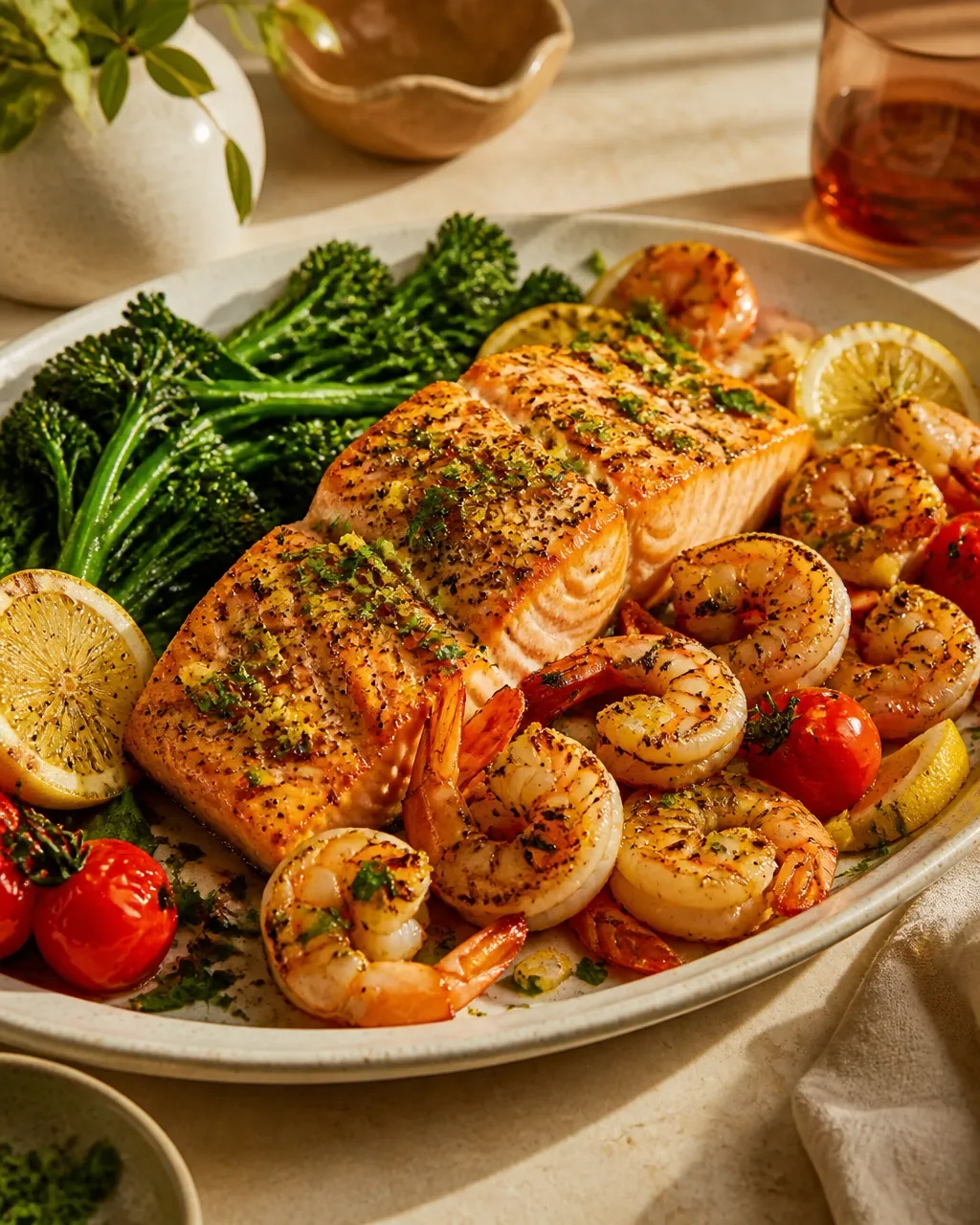
Protect salmon from overcooking
Salmon is full of delicate muscle fibers and natural fat. Heat causes the proteins to tighten, and the tighter they become, the more moisture they squeeze out. That is the basic reason overcooked salmon turns dry and chalky.
Bake thick fillets with the skin side down. The skin acts as a small buffer between the hot pan and the flesh, while the fillet cooks gently from below and above. Brush the surface with olive oil and herbs to encourage even cooking and keep the aromatics in contact with the fish.
Check the thickest section with an instant-read thermometer rather than judging by color alone. The outer layers cook first, so a fillet can look done while the center still needs time. Use 145°F as the safety benchmark for fully cooked salmon. Remove the fish promptly once it reaches that point; lingering in a hot pan is how dinner quietly crosses from tender to dry.
A little white protein, called albumin, may appear on the surface. It is harmless and usually means the fish has been exposed to fairly high heat or cooked a little longer than necessary. Lowering the oven temperature is not essential here, but avoiding overcooking will reduce it.
Build flavor in layers
Fresh herbs provide aromatic oils, while lemon contributes both fragrance from the zest and acidity from the juice. Add lemon juice at the end as well as before baking. Heat softens its sharpness, but a final squeeze restores the bright flavor that makes the salmon taste lighter.
Keep the salt measured rather than scattering it with wild abandon. Quinoa, broccoli, and salmon each have mild flavors, so salt can easily become the loudest voice on the plate. Use lemon, garlic, herbs, and black pepper to create contrast before reaching for more.
The finished plate works because it balances textures and tastes: tender fish, crisp-edged vegetables, fluffy grains, rich olive oil, and lively acidity. That is the formula behind many reliable healthy dinner ideas: combine something rich with something fresh, something soft with something crisp, and something savory with something bright.
Variations for Different Nights
Make it Mediterranean
Add chopped olives, cherry tomatoes, and a spoonful of crumbled feta after cooking. The olives and feta bring salt and richness, so reduce the added salt in the salmon and quinoa. Finish with parsley and lemon for a sharper, more colorful plate.
Use a mustard-herb crust
Stir a little Dijon mustard into the herb topping before spreading it over the salmon. Mustard adds acidity and gentle heat, while its fine particles help the topping cling to the fish. Add breadcrumbs if you want a crisp crust, but keep the layer thin so it browns before the salmon overcooks.
Turn it into a sheet-pan meal
Skip the separate salmon baking sheet and add the fillets to the broccoli pan during the final 10–14 minutes. Leave space around each fillet, and do not cover the fish. This saves washing up, although the quinoa still needs its own pot. A dinner can be efficient without pretending every ingredient cooks in the same way.
Swap the grain
Use brown rice, farro, or couscous instead of quinoa. Adjust the cooking time for the grain you choose. Keep the flavor structure the same: a hearty base, roasted vegetables, herb-scented protein, and something acidic to finish.
Side Dish Pairings That Keep the Plate Balanced
This dinner is already a complete meal, so choose sides that add contrast rather than more heaviness. A crisp cucumber salad with lemon or vinegar cuts through the salmon’s richness and adds a cool texture. A simple tomato salad works especially well in warmer months because its acidity wakes up the quinoa.
For extra greens, serve a small arugula salad with a sharp vinaigrette. Keep the dressing bright and light; creamy sides can make the meal feel dense.
If you are feeding a hungry crowd, add warm whole-grain bread or a small bowl of lentil soup. Cookpedia’s soups collection offers plenty of cozy options, while the 30-minute dinner collection is useful when you need more quick family meals in your rotation.
FAQ: Troubleshooting Your Salmon Dinner
What if my salmon fillets are different sizes?
Check the thinnest fillet first and remove it when it reaches the desired temperature. Leave thicker pieces in the oven for a few more minutes. Do not wait for every piece to look identical; fish thickness controls cooking time far more than weight alone.
What if the salmon is still frozen?
Thaw it safely in the refrigerator before cooking for the most even result. If you must cook it from frozen, expect a longer cooking time and check the center with a thermometer. Avoid relying on the outside color, because the surface can look finished while the middle remains cold.
Why is my broccoli soft instead of crisp?
The usual suspects are overcrowding, excess oil, or wet florets. Dry the broccoli well, use just enough oil to coat it lightly, and leave gaps between pieces. If the pan is packed, divide the broccoli between two trays. More surface area means more evaporation, and evaporation is the road to browning.
Why does my quinoa taste bitter?
It probably needs a more thorough rinse. Rub the grains gently under cool running water in a fine-mesh strainer until the water runs clearer. The bitter taste comes from saponins on the outside, not from spoiled quinoa. Also check that your broth is not overly salty, since quinoa absorbs surrounding flavors very efficiently.
Can I prepare this dinner ahead?
Yes. Cook the quinoa and roast the broccoli up to three days ahead, then refrigerate them in airtight containers. Bake the salmon closer to serving time for the best texture. Reheat the quinoa and broccoli gently, and add fresh lemon after reheating. Acid and herbs are excellent at making leftovers taste awake again.
How do I know when the salmon is safe to eat?
Use an instant-read thermometer in the thickest part of the fillet. For fully cooked salmon, aim for 145°F. The flesh should be opaque and separate easily with a fork. For fish choices and current guidance on mercury levels, consult the FDA’s advice about eating fish; salmon is included among its lower-mercury “Best Choices.”
Can I use another fish?
Absolutely. Cod, trout, or haddock can work with the same herbs and lemon, but cooking times will vary according to thickness. Leaner fish such as cod usually dries faster than salmon, so check it early and avoid leaving it in the oven while you finish other tasks. The thermometer remains your most reliable kitchen coach.
What if my family dislikes quinoa?
Serve the salmon and broccoli over brown rice, couscous, or roasted potatoes. The important balance stays intact: protein, vegetables, a satisfying carbohydrate, and bright finishing flavors. Healthy cooking does not require forcing one grain on everyone at the table. It requires building a meal people will actually enjoy and make again.