Recipe
Servings
Servings 1×
Ingredients
- Chicken
- Chickpeas
- Pearled barley
- Rice
- Greek yogurt
- Cauliflower
- Asparagus
- Greens
- Cucumber
- Garlic
- Lemon
- Tahini
- Feta
- Cooking oil
- Black pepper
Method
- Prepare the ingredients described in the article and heat the cooking surface or oven as directed.
- Cook the main ingredients using the heat and timing guidance in the article.
- Finish with the seasonings and garnishes named in the article, then serve.
If you have ever stared at a pile of dirty dishes after a long Wednesday and thought, "There has to be a better way," then you have found your sanctuary. I am a firm believer that some of the best one pot meals aren't just about saving time; they are about layering flavors in a way that separate pans simply cannot achieve. This Lemon Herb Chicken and Rice with Asparagus is the ultimate weeknight hero: bright, zesty, and balanced. It belongs right at the top of your list of healthy dinner ideas.
The Science of Searing and Steam
To master this dish, you need to understand that we are orchestrating three different cook times in a single vessel. It starts with the Maillard reaction. When you sear your chicken thighs in a hot pan, you aren't just cooking the meat; you are creating a foundation of flavor. Those brown bits stuck to the bottom? That is "fond," and it is pure culinary gold. Use a heavy-bottomed skillet or a Dutch oven to ensure even heat distribution. Avoid overcrowding the pan, as this causes the chicken to steam rather than sear, robbing you of that crispy, savory crust.
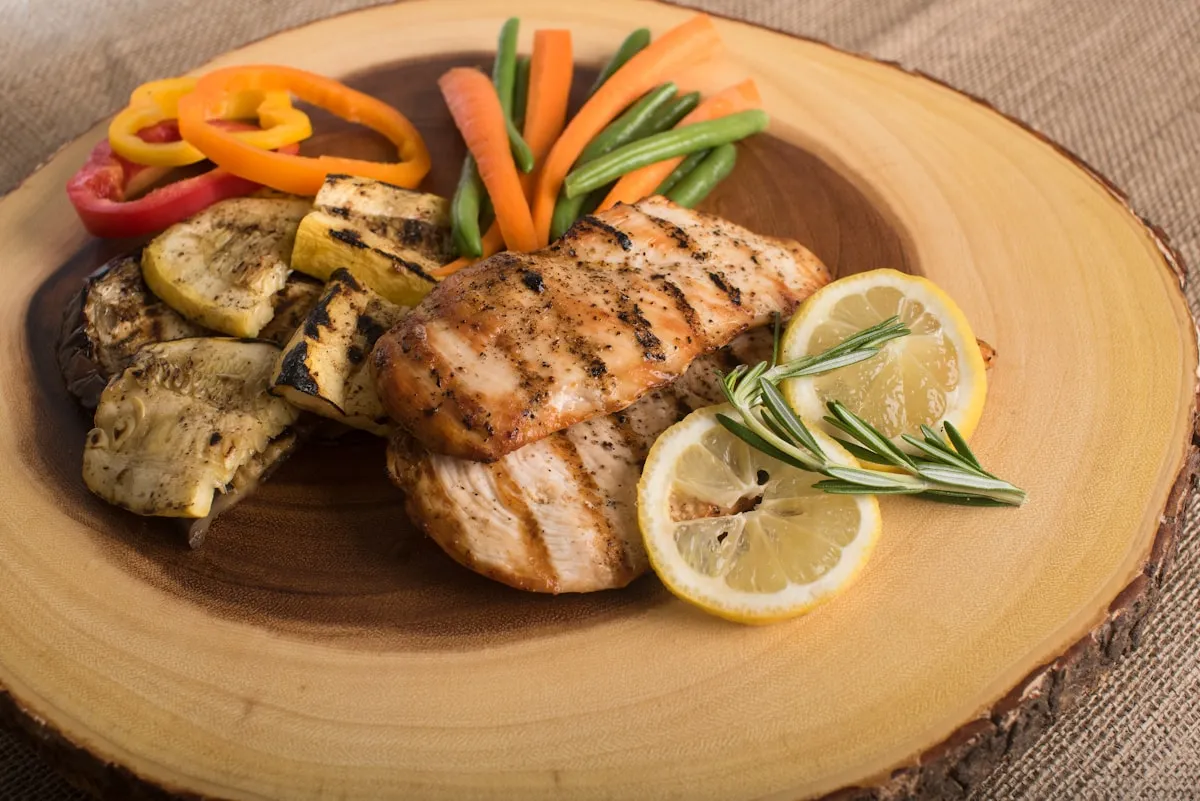
Once the chicken is partially cooked and removed, the rice takes center stage. This is where starch gelatinization comes into play. Sauté your rice in the remaining fat with aromatics like shallots and garlic for a minute or two. This "toasting" phase coats each grain in fat, which prevents the rice from becoming a gummy mess later. When the liquid hits the hot pan, it deglazes those brown bits, pulling all that chicken-skin-savory-goodness into the rice itself.
The final technical hurdle is the asparagus. If you toss it in at the beginning, you will end up with gray, mushy spears that look like they’ve surrendered. Instead, utilize the power of residual steam. Add the asparagus during the last five minutes of cooking. This preserves the chlorophyll: keeping them bright green: and maintains the structural integrity of the cell walls, ensuring a satisfying "snap" when you bite in.
Flavor Profiles and Variations
While the lemon-herb combination is a classic for a reason, the beauty of quick family meals is their adaptability. If you want to lean into more Mediterranean vibes, swap the parsley for oregano and add a handful of kalamata olives and feta right before serving. The acidity of the olives cuts through the richness of the chicken fat beautifully.
For those who prefer a different grain, you can use pearled barley or farro, but keep in mind that these ancient grains require significantly more liquid and longer simmering times. If you are looking to shave even more time off your prep, you can actually look into air fryer recipes dinner hacks. While this specific dish is a one-pot stovetop wonder, air-frying your chicken separately while the rice simmers can produce an even crispier skin if you don't mind washing a second basket.
If you are following a specific dietary path, like vegetarian dinner recipes, you can easily swap the chicken for thick slices of cauliflower or chickpeas. The technique remains the same: sear the cauliflower to get those nutty, toasted notes, then proceed with the rice and lemon. Just be sure to use a high-quality vegetable stock to keep the depth of flavor high.
Perfect Side Dish Pairings
Even though this is a complete meal on its own, I often find that a hit of raw crunch or high acidity on the side makes the cooked elements pop. Because the chicken and rice are warm and savory, a cold, refreshing salad is the perfect foil.
A simple Cucumber and Radish Salad with a rice vinegar dressing works wonders. The sharpness of the radish and the cooling nature of the cucumber reset your palate between bites of the rich, buttery rice. Alternatively, a quick slaw with shredded cabbage and a light lemon-tahini dressing adds a creamy yet bright texture that complements the asparagus.
If you want to stick with the "no-fuss" theme, a small bowl of high-quality Greek yogurt seasoned with cracked black pepper and a drizzle of olive oil can be served on the side. It acts as a cooling dip for the chicken and adds a probiotic punch to your meal.
Frequently Asked Questions
Why is my rice still crunchy while my chicken is overcooked?
This usually happens because the heat was too high, causing the liquid to evaporate before the rice could absorb it. To fix this, ensure you are using a tight-fitting lid. If the steam escapes, the rice won't cook. Use a "low and slow" simmer. If you find the rice is still hard after the liquid is gone, add a splash more broth, cover it tightly, and let it sit off the heat for 10 minutes. The residual heat will often finish the job without toughening the chicken further.
Can I use chicken breasts instead of thighs?
You can, but proceed with caution. Chicken breasts have much less fat and connective tissue, meaning they dry out very quickly. If you use breasts, I recommend searing them just to get color, then removing them and only adding them back to the pot for the final 5–8 minutes of simmering. Thighs are much more forgiving for one pot meals because they stay juicy even if they simmer a bit longer.
My asparagus turned a dull olive green. What went wrong?
You overcooked it! The dull green color is a chemical reaction where the magnesium in the chlorophyll is replaced by hydrogen. This happens after about 7 minutes of exposure to heat. To keep them "Gram-worthy" and nutritious, only add them at the very end. If they are very thin spears, you can even just lay them on top of the rice, turn off the heat, and put the lid back on for 3 minutes.
How do I prevent the bottom of the rice from burning?
A little bit of "socarrat" (the crispy rice bottom found in paella) is actually a treat, but if it’s black and bitter, your heat is too high. Once your liquid reaches a boil, drop the heat to the lowest possible setting. Also, avoid the urge to stir! Stirring releases starch and makes the rice sticky, and it also pushes the grains into the bottom of the pan where they are more likely to scorch.
Can I make this as part of my meal prep for the week?
Absolutely. This dish holds up surprisingly well. However, I suggest undercooking the asparagus slightly if you plan to reheat it. When you microwave the meal later, the asparagus will finish cooking, preventing it from becoming soggy on day three. It's one of those healthy dinner ideas that actually tastes better the next day as the lemon and herbs further infuse the rice.
{“@type”:”BlogPosting”,”image”:”https://cdn.marblism.com/dUvmiyxQLGy.webp”,”author”:{“name”:”Penny”,”@type”:”Person”},”@context”:”https://schema.org”,”headline”:”One-Pot Meals: Lemon Herb Chicken and Rice with Asparagus”,”publisher”:{“logo”:{“url”:”https://cdn.marblism.com/KxroJ1kM_KA.webp”,”@type”:”ImageObject”},”name”:”Cookpedia”,”@type”:”Organization”},”description”:”Master the art of one-pot meals with this Lemon Herb Chicken and Rice with Asparagus. Learn the science of searing, rice gelatinization, and perfect asparagus timing.”,”datePublished”:”2026-07-26″}