Recipe
Servings
Servings 1×
Ingredients
- Salmon
- Shrimp
- Pork
- Quinoa
- Rice
- Broccoli
- Cucumber
- Garlic
- Lemon
- Lime
- Honey
- Butter
- Cooking oil
- Soy sauce or tamari
- Chili seasoning
- Black pepper
Method
- Use a paper towel and press down firmly on the fillets until every bit of moisture is gone.
- Brush the glaze on during the last 2-3 minutes of cooking to prevent the honey from burning.
- Use skin-on fillets whenever possible.
You know those nights when the clock is ticking, the fridge is looking sparse, and you’re about three minutes away from eating a sleeve of crackers for dinner? We’ve all been there. But I’m here to tell you that fifteen minutes is all you need to transform a humble piece of fish into a restaurant-quality masterpiece. This honey garlic salmon is the ultimate "ace up your sleeve" for quick healthy meals. It’s sweet, it’s salty, and it has that addictive sticky glaze that makes you want to lick the pan. Best of all, it doesn’t require a culinary degree or a pantry full of exotic spices, just a few basics and a little bit of science.
The Science of the Sear: Tips & Technique
To get that perfect, caramelized crust without turning your kitchen into a smokehouse, you need to understand the physics of the pan. The secret to great salmon isn't just the sauce; it’s the transition from raw protein to a crispy, golden-brown exterior. This process, known as the Maillard reaction, only happens when the surface of the fish is dry. Use a paper towel and press down firmly on the fillets until every bit of moisture is gone. If the fish is wet, it will steam rather than sear, leaving you with a grey, lackluster texture.
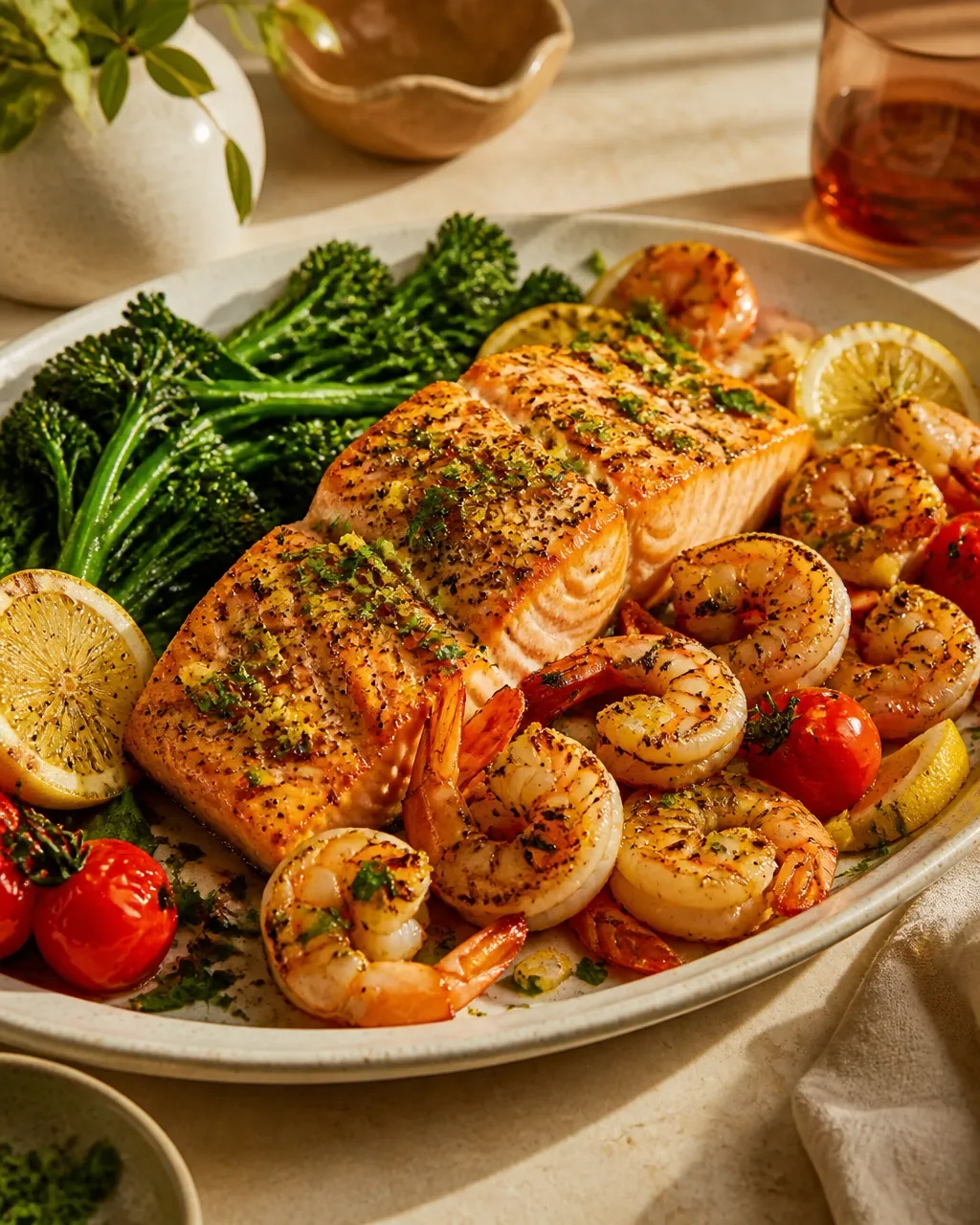
Preheat your skillet until the oil is shimmering but not smoking. When you place the fish in the pan, listen for the sizzle. That sound is the moisture evaporating and the crust forming. Once it’s in, leave it alone. Don't poke it, don't move it, and definitely don't flip it prematurely. The fish will naturally release from the pan once the crust is fully developed. If you try to move it and it sticks, it's telling you it’s not ready yet.
Now, let’s talk about the honey. Honey is a complex mixture of fructose and glucose, which means it caramelizes at a much lower temperature than table sugar, around 320°F. If you put the glaze in too early, the sugar will burn and become bitter before the salmon is even cooked through. Avoid the temptation to pour everything in at once. Instead, sear the fish first, remove it from the heat, and then build your glaze in the residual fat. This allows the water in the soy sauce and lemon juice to cook off, leaving behind a thick, syrupy coating that clings to the fish like a second skin.
Check the internal temperature if you have a thermometer. Aim for about 125°F to 130°F for a medium-rare finish that stays moist. Remember, carryover cooking will continue to raise the temperature even after you pull it from the heat. If you’re juggling a busy evening and need more quick family meals in your rotation, mastering this pan-searing technique will change your life. For more tips on achieving that perfect glossy finish, you can also check out our guide on achieving the perfect glossy sauce.
Making It Yours: Flavor Variations
While the classic honey-garlic-soy trio is nearly perfect, you shouldn't feel boxed in. Cooking is about intuition and balance. If you find the glaze a bit too sweet, increase the acidity. Swap the lemon juice for a splash of rice vinegar or a squeeze of fresh lime to provide a sharper contrast to the honey.
For those who like a bit of a kick, add a teaspoon of Sriracha or a pinch of red chili flakes into the glaze mixture. The heat cuts through the richness of the salmon's natural oils and balances the sugars perfectly. If you’re avoiding soy, coconut aminos work as a fantastic 1:1 substitute, offering a similar umami depth with a slightly sweeter profile.
You can also experiment with the protein. This glaze isn't just for salmon. Try it with shrimp, which cook even faster, or thin-cut pork chops. The high sugar content of the honey makes it ideal for proteins that benefit from a quick, high-heat sear. Just ensure you adjust your cooking times accordingly; shrimp only need about two minutes per side before they’re ready for the glaze. If you're looking for more healthy dinner ideas that use minimal ingredients, this "glaze and go" method is your best friend.
The Perfect Plate: Side Dish Pairings
Because this salmon is quite bold and rich, you want side dishes that offer a clean, refreshing break for your palate. Think about acidity and crunch. A simple cucumber salad with a vinegar-based dressing is a stellar choice. The cool, crisp texture of the cucumber acts as a foil to the warm, sticky fish.
Steamed greens, like bok choy or broccoli, are non-negotiable for a balanced meal. They soak up the extra glaze on the plate without competing for attention. If you’re in the mood for something heartier, a small scoop of jasmine rice or quinoa will provide a neutral base that lets the honey garlic flavors shine. Avoid anything overly creamy or heavy in butter; you don’t want to overload the meal with fats when the salmon is already providing plenty of healthy omega-3s.
The "What If" Guide: FAQ
Can I use frozen salmon for this?
Absolutely. Just ensure it is completely thawed and, most importantly, patted dry. Frozen fish tends to release more moisture during the cooking process, so you might need to sear it a bit longer to get that crust. Don't skip the drying step, or you’ll end up with "boiled" salmon in a watery sauce.
What if my garlic starts to burn?
Garlic is sensitive. If it turns dark brown or black, it will become acrid. If you see the garlic browning too quickly while the glaze is reducing, pull the pan off the heat immediately and add a tablespoon of water or lemon juice. This drops the temperature of the pan and stops the burning process instantly.
Can I make this in the air fryer?
Yes, you can! While you won't get the same deep sear as a skillet, it’s a great hands-off option. Brush the glaze on during the last 2-3 minutes of cooking to prevent the honey from burning. If you're building a collection of air fryer recipes dinner guests will love, this is a solid contender. For more air fryer inspiration, check out our sausage and pepper medley or our kielbasa and pierogi roast.
Why did my sauce separate or get oily?
This usually happens if the pan was too hot when the glaze was added, causing the fat from the salmon to separate from the honey and soy. To fix this, whisk in a teaspoon of warm water off the heat. The water helps re-emulsify the sauce into a smooth, glossy coating.
Should I leave the skin on?
Use skin-on fillets whenever possible. The skin acts as a protective barrier, preventing the delicate flesh from overcooking. Plus, if you sear it properly, the skin becomes a crispy, salty treat that adds a wonderful textural contrast to the soft fish. If you hate the skin, simply peel it off after the salmon is cooked( it should slide right off.)
{“@type”:”BlogPosting”,”image”:”https://cdn.marblism.com/oF34X7nouCp.webp”,”author”:{“name”:”Penny”,”@type”:”Person”},”@context”:”https://schema.org”,”headline”:”Fast & Flavorful: 15-Minute Honey Garlic Salmon”,”publisher”:{“logo”:{“url”:”https://cookpedia.com/logo.png”,”@type”:”ImageObject”},”name”:”Cookpedia”,”@type”:”Organization”},”description”:”Learn the science behind the perfect 15-minute honey garlic salmon. Tips on searing, caramelization, and quick healthy dinner ideas for busy families.”,”datePublished”:”2026-06-06″,”mainEntityOfPage”:{“@id”:”https://cookpedia.com/fast-flavorful-15-minute-honey-garlic-salmon”,”@type”:”WebPage”}}
{“@type”:”FAQPage”,”@context”:”https://schema.org”,”mainEntity”:[{“name”:”Can I use frozen salmon for this?”,”@type”:”Question”,”acceptedAnswer”:{“text”:”Yes, but ensure it is completely thawed and patted dry to avoid a watery sauce and ensure a good sear.”,”@type”:”Answer”}},{“name”:”What if my garlic starts to burn?”,”@type”:”Question”,”acceptedAnswer”:{“text”:”Pull the pan off the heat and add a tablespoon of water or lemon juice to stop the cooking process immediately.”,”@type”:”Answer”}},{“name”:”Can I make this in the air fryer?”,”@type”:”Question”,”acceptedAnswer”:{“text”:”Yes, brush the glaze on during the last 2-3 minutes of cooking to prevent the honey from burning.”,”@type”:”Answer”}}]}